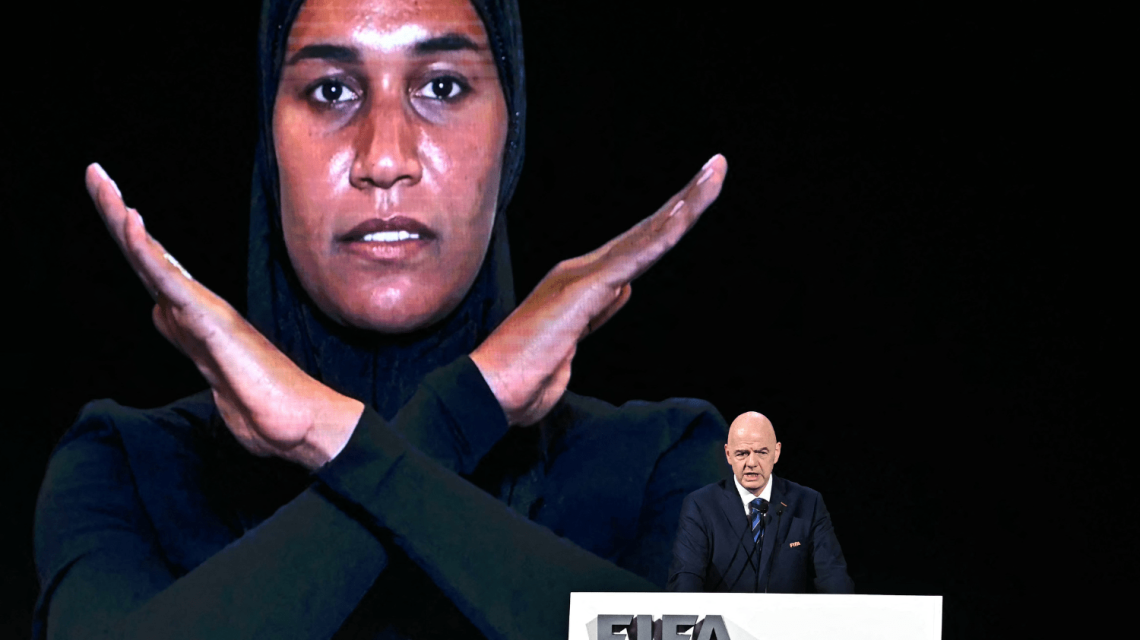
Players participating in the 2026 World Cup will have a new method for addressing racial abuse during matches: crossing their arms to form an “X.” This signal will prompt FIFA’s anti-discrimination protocol and may lead to suspending play.
The “No Racism” gesture, initially implemented during the 2024 Under-20 Women’s World Cup in Colombia, is now being expanded across FIFA events. The organization remains under pressure to respond promptly and visibly to racist incidents that often mar major international tournaments. The gesture offers players, referees, and team officials a uniform approach to report abuse and activate FIFA’s anti-racism procedures.
The ‘X’ Gesture Protocol
Under FIFA guidelines, players, referees, or officials witnessing racist behavior can use the gesture. Once employed, the “X” signals officials to initiate soccer’s three-step anti-discrimination protocol.
The first step obliges the referee to halt play and make a stadium announcement demanding an end to discriminatory conduct. Continued abuse can lead to players being removed and the match suspended. If the situation persists, the referee can completely abandon the game.
FIFA emphasizes that the gesture complements, rather than replaces, existing procedures, providing a clear trigger for action.
Evolution of Anti-Racism Measures
FIFA has long maintained an anti-discrimination procedure, traditionally reliant on referees detecting abuse or players reporting it verbally. The new gesture aims to eliminate this uncertainty. By implementing a universally recognized sign, FIFA seeks to improve the speed and consistency of responses to racist incidents.
This initiative arises from ongoing criticism from players and anti-racism groups that claim governing bodies have not acted swiftly when faced with abuse. FIFA presents the gesture as part of its broader strategy to regulate anti-racism measures for the upcoming 2026 World Cup across the United States, Canada, and Mexico.
Context and Incidents Leading to the Change
Racial abuse has appeared frequently in high-profile international tournaments. A notable incident occurred during a Euro 2020 qualifier between England and Bulgaria in 2019. Play was paused twice due to racist taunts, following UEFA’s protocol to halt play and warn the stadium, with the game nearly abandoned.
During the men’s 2022 World Cup in Qatar, FIFA undertook disciplinary actions against federations after instances of offensive or discriminatory chanting by fans.
Moreover, abuse has extended beyond the field. England’s Bukayo Saka, Marcus Rashford, and Jadon Sancho faced racist attacks online after losing a penalty shootout against Italy in the Euro 2020 final, resulting in police investigations and widespread denunciation.
 Ronald Acuna Jr. Suffers Injury During Game Against Cincinnati Reds
  Joe Burrow’s Unexpected Post-Game Recovery
  Rangers Place Players on Waivers Ahead of Season Opener
 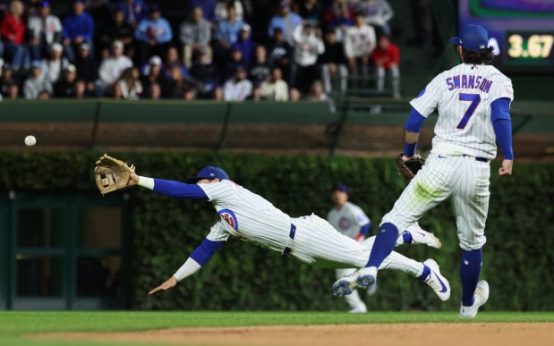 Cubs Face Crucial Pitching Decisions Amid Wild Card Race
 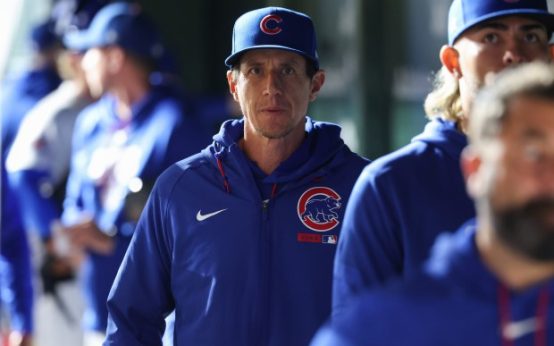 Chicago Cubs vs. Miami Marlins: 12-Inning Game Recap
 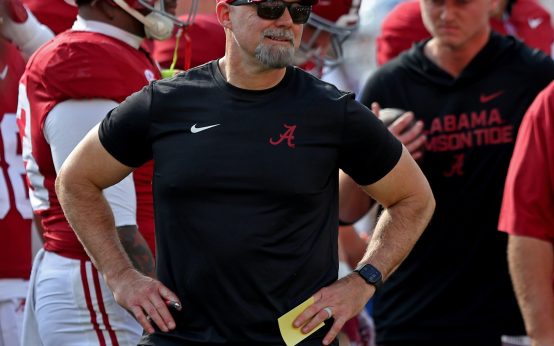 Alabama Football’s Comeback and Controversy