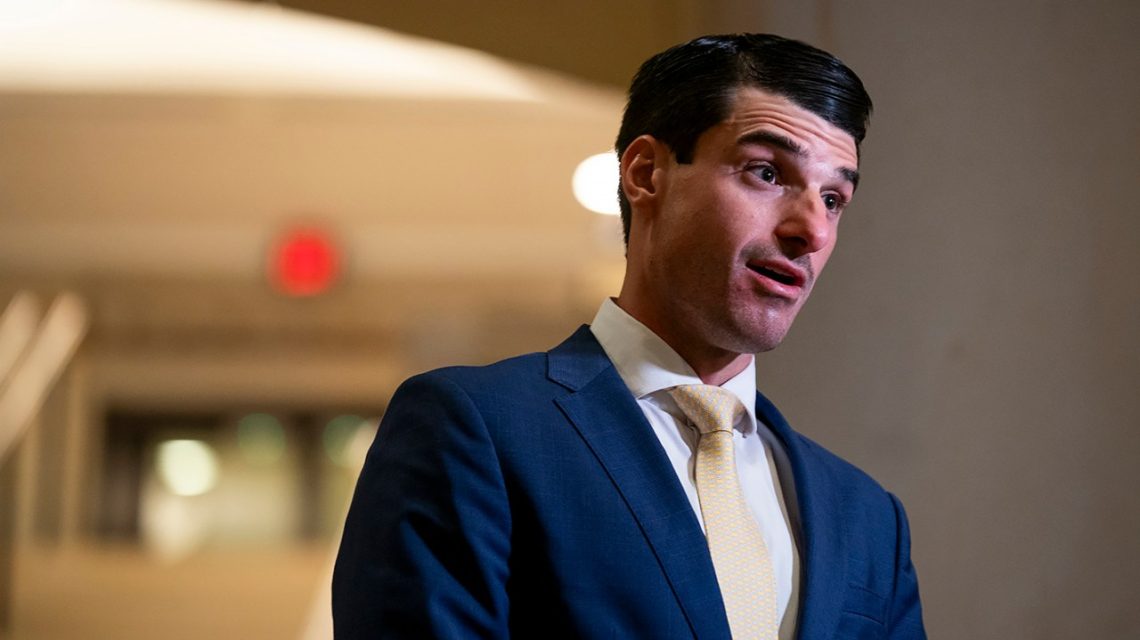
Lawmakers are struggling to advance legislation aimed at imposing new regulations on sports gambling and prediction markets. Despite bipartisan consensus that these industries have been insufficiently scrutinized by federal authorities, progress has stalled. Critics in Congress argue that major online sportsbooks like FanDuel and DraftKings are not adequately curbing corruption or game rigging, even as they benefit financially from millions of users, many of whom are developing gambling addictions. Prediction markets, offering bets beyond sports, including politics and economic events, have also seen increasing scrutiny.
Recent scandals have involved government workers using prediction markets to profit from insider knowledge. Unlike traditional sportsbooks, prediction markets offer event contracts on a range of topics, without a focus on sports. The gambling industry and prediction markets are currently engaged in lobbying efforts to avoid stricter federal oversight.
Senator Tim Kaine expressed concerns about prediction markets resembling insider trading practices and highlighted the negative impact of sports betting, particularly on young men. The SAFE Bet Act, designed to establish federal standards against predatory practices and to protect consumers, has seen little progress.
Senator Richard Blumenthal, a co-sponsor of the bill, expressed frustration over the industry’s lobbying efforts to halt legislative advancements. Sports gambling is mainly regulated by individual states, but the partnerships between sportsbooks, professional leagues, and athletes are under increasing scrutiny.
Cases like Philadelphia Phillies’ Bryce Harper and former Texas Tech quarterback Brendan Sorsby underscore the issues of integrity and partnership within sports betting. Meanwhile, prediction markets like Kalshi and Polymarket have faced criticism for their internal monitoring, with regulatory challenges highlighted by incidents involving government employees betting on political events.
Gambling addiction specialist Phil Smyth noted that these platforms can trigger compulsive behavior similar to traditional gambling activities. Despite these concerns, many in Congress are skeptical that significant regulatory measures will pass before the upcoming midterm elections.
Senator Adam Schiff’s proposal to ban prediction markets from offering event contracts on sports aims to address corruption concerns. He emphasized the need for regulatory oversight beyond the current capabilities of the Commodity Futures Trading Commission. The broader issue of regulating college sports is also on the agenda, with bipartisan proposals seeking to set federal standards on issues like athlete compensation and transfer rules.
In parallel developments, political figures and athletes intersect in various arenas. Former NFL player Jay Feely is running for Congress in Arizona, supported by the Republican party. In sports media, sweeping layoffs at ESPN have sparked conversations about the emotional connections fans have with media personalities and networks.
 GOP Candidates Call to End Iran War Amid Rising Fuel Costs
 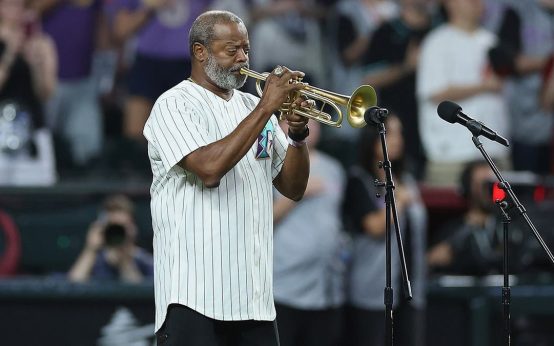 Retired Navy Petty Officer on Powerful National Anthem Performance
 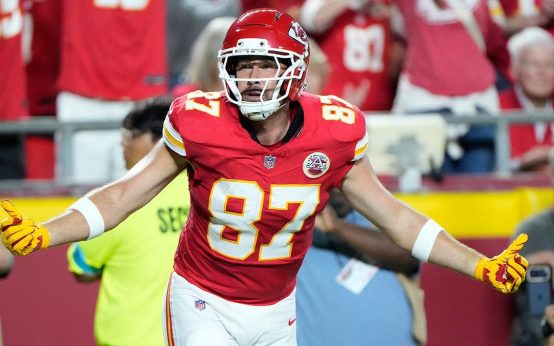 Travis Kelce’s Impactful Performance Lifts Chiefs Over Colts in Overtime
 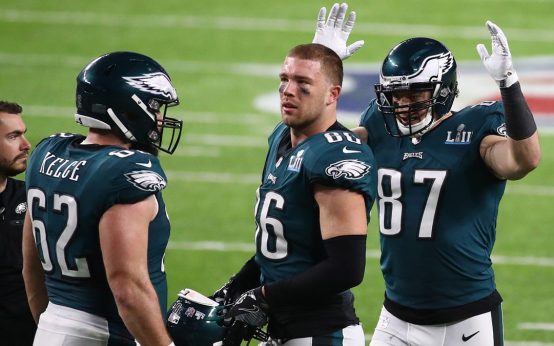 Lane Kiffin Faces Criticism After Ole Miss Loss; Zach Ertz Returns to Eagles
 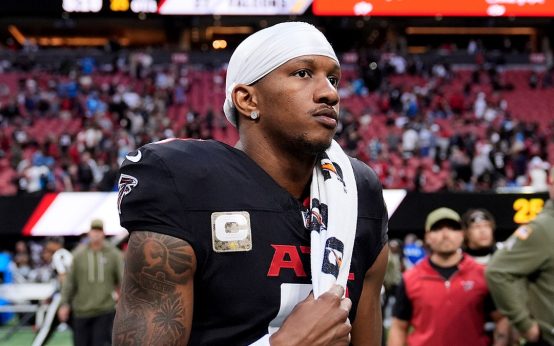 Lane Kiffin’s Emotional Postgame and Falcons Quarterback Struggles
  Trump Administration Seeks to Influence NIH Grantmaking