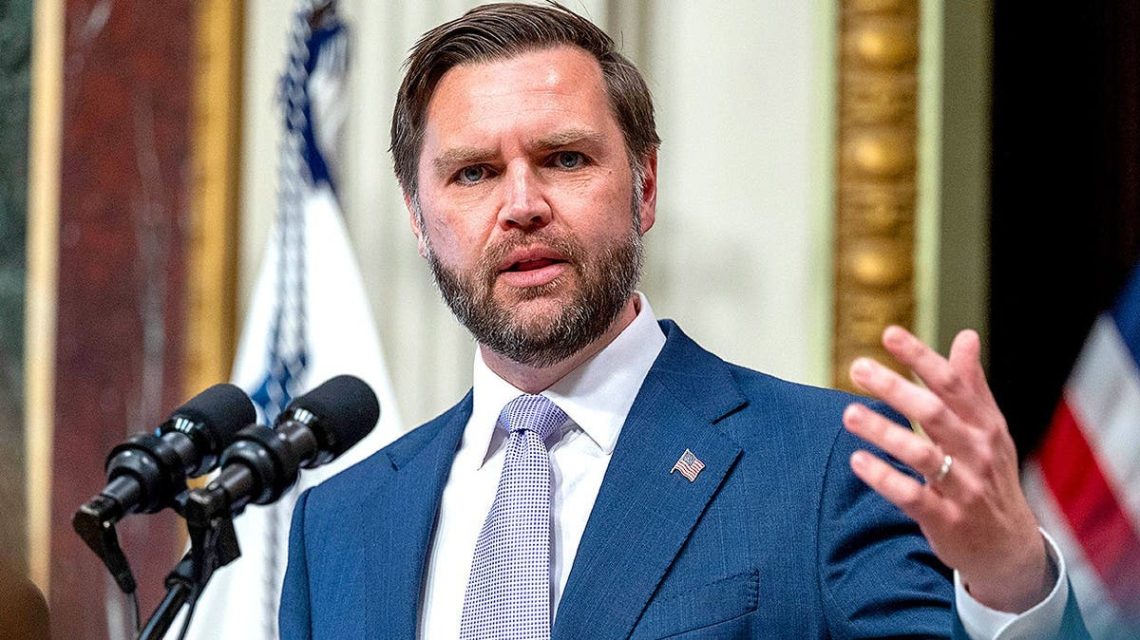
Vice President JD Vance discussed the complex U.S.-Israel relationship in light of recent diplomatic challenges. Speaking on “Jesse Watters Primetime,” Vance highlighted shared interests between the two nations but acknowledged areas of divergence. He emphasized that the U.S.’s primary goal is preventing Iran from acquiring nuclear weapons. Recent concerns surfaced over Israel’s alleged surveillance of American diplomats involved in U.S.-Iran negotiations.
Reports have identified individuals like Elbridge A. Colby from the Pentagon and negotiator Steve Witkoff as targets of this surveillance. The alleged spying has caused friction between President Donald Trump and Israeli Prime Minister Benjamin Netanyahu, highlighted by a heated conversation over Israel’s military actions in Lebanon.
As U.S. and Israeli officials disagree over how to approach Iran, the Pentagon now views Israel as a major counterintelligence concern. Vance acknowledged Israel’s security priorities but stressed that U.S. strategies regarding Iran are rooted in national interests.
“Over the last year and a half, we’ve created the necessary space for a settlement to Iran’s nuclear issue,” Vance stated.
Despite possible Israeli objections, Vance maintained that this approach serves U.S. interests. Recently, exchanges between Israel and Iran ceased after an intense weekend, following U.S.-mediated efforts. The ceasefire marked a pause in hostilities that resumed due to previous agreements.
Amid negotiations, Vance noted that Iran has shown willingness to engage in meaningful talks. He emphasized Iran’s disinterest in prolonged conflict, suggesting beneficial outcomes for all parties.
When questioned by Jesse Watters on Iran’s negotiation tactics, Vance remained skeptical of their intentions, asserting, “Everybody’s always trying to play everybody.” He insisted on verification over trust when dealing with Iran.
Vance also highlighted the challenge of implementing effective monitoring systems, crucial for ensuring Iran’s compliance with future agreements. He criticized past administration failures, particularly the absence of adequate inspection frameworks.
A successful U.S.-Iran peace treaty would, according to Vance, represent a major diplomatic achievement for the United States.
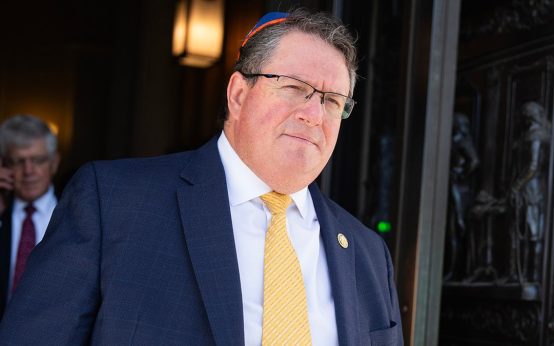 Congressman Randy Fine’s Bold Political Stance and Views on AI Regulation
 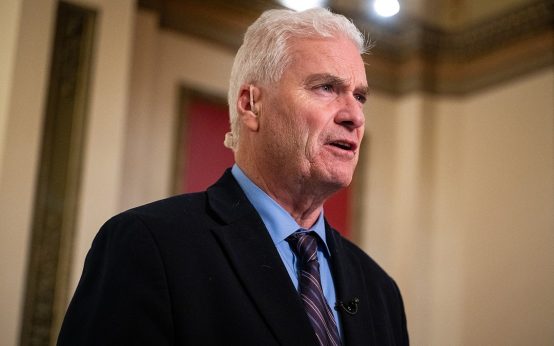 Political Messaging and Strategy Leading Up to Midterms
  President Trump Proposes ‘Super Intelligence’ as New AI Term
  Trump Administration Considers Diesel Export Ban Amid Rising Prices
 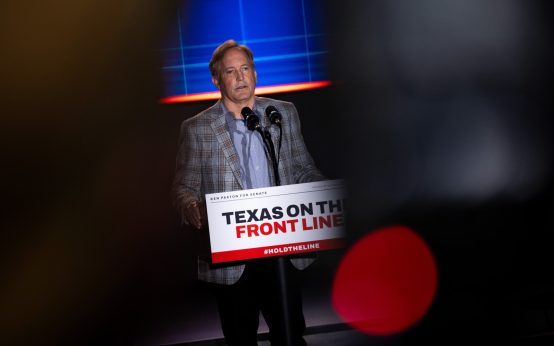 Texas Senate Race Tightens with Shifting Youth Support
 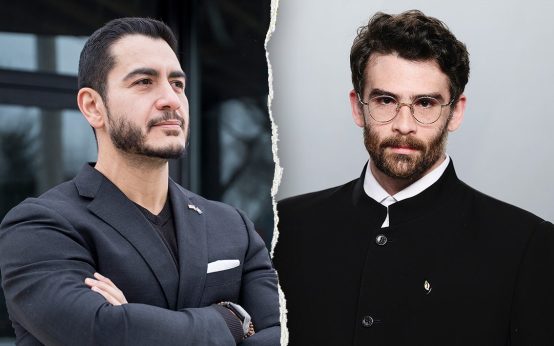 Flight 93 Hero’s Father Criticizes Ties Between Hasan Piker and Abdul El-Sayed