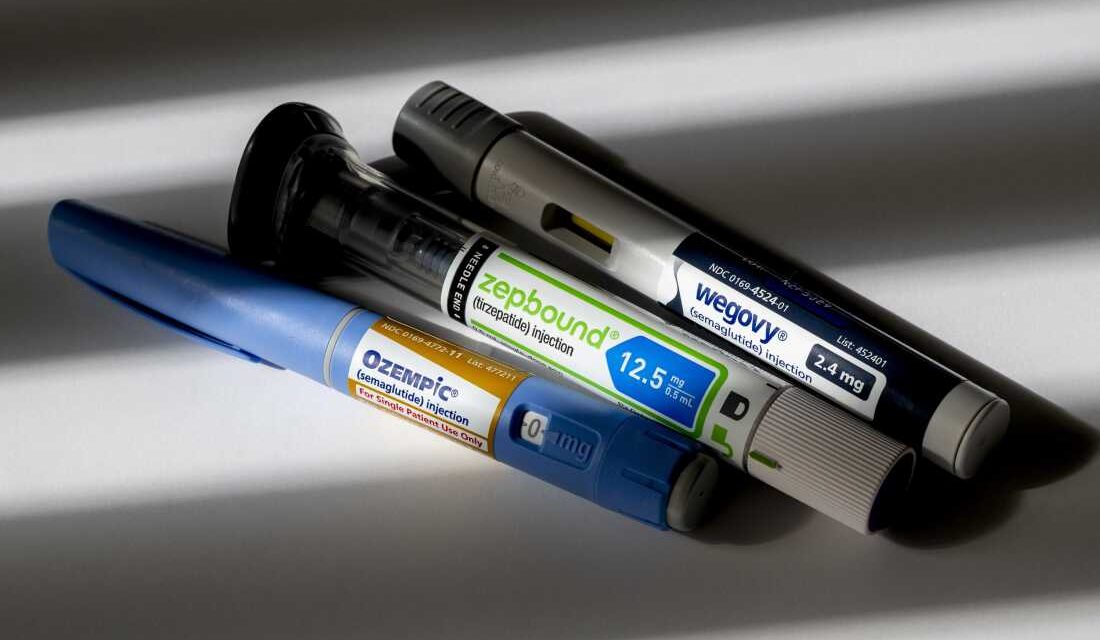
GLP-1 medications, marketed under various brand names, are primarily used for treating diabetes, obesity, and sleep apnea. Research into their effect on cancer is still in its infancy. Yet, emerging studies indicate these obesity treatments might also lower cancer risk.
Several studies have identified a correlation between GLP-1 drug use and reduced cancer risk. These medications not only appear to mitigate the cancer risks associated with obesity but may also offer anti-inflammatory benefits that help restrain tumor growth.
The American Society of Clinical Oncology (ASCO) recently featured research on this topic, highlighting several studies. One notable study analyzed over 10,000 patients with early-stage cancer. It found significant risk reductions for certain cancers among GLP-1 users.
“For non-small cell lung cancer, progression to Stage IV disease occurred in 22.3% of non-users, compared to 10% of those taking GLP-1s.”
Originally, GLP-1 drugs were developed for diabetes by affecting hormonal processes that reduce hunger and slow digestion. Their metabolic effects have proven beneficial not only for obesity but also heart disease, sleep apnea, and potentially addiction and cancer.
Dr. Julie Gralow from ASCO cautions that while these correlations are promising, they do not yet confirm GLP-1s as cancer treatments. The data comes from retrospective analyses lacking details like patient comorbidities and lifestyle factors.
Another study presented at the conference linked GLP-1 use to a 30% decrease in breast cancer risk, compared to other weight loss methods. According to radiologist Elizabeth McDonald, GLP-1s may offer protective effects beyond just weight loss.
McDonald suggests GLP-1 drugs might influence metabolic pathways that reduce cancer-driving inflammation. New trials are underway to explore GLP-1’s influence on chronic inflammation and immune function.
Oncologist Coral Omene from Rutgers Cancer Institute plans to study GLP-1 drug effects on breast cancer patients, monitoring changes in cancer markers and immune cell behavior. These findings aim to optimize GLP-1 use in cancer treatment.
 Upcoming Concerns and Influence in Health Politics
  Fraud Task Force Saves Billions by Tackling Obamacare Misuse
  Presley Gerber’s Passing Raises Addiction Recovery Concerns
  Understanding October SNAP Benefits: Payment Dates and Changes
  Managing Distress and Discomfort Effectively
  Trump Administration Seeks to Influence NIH Grantmaking