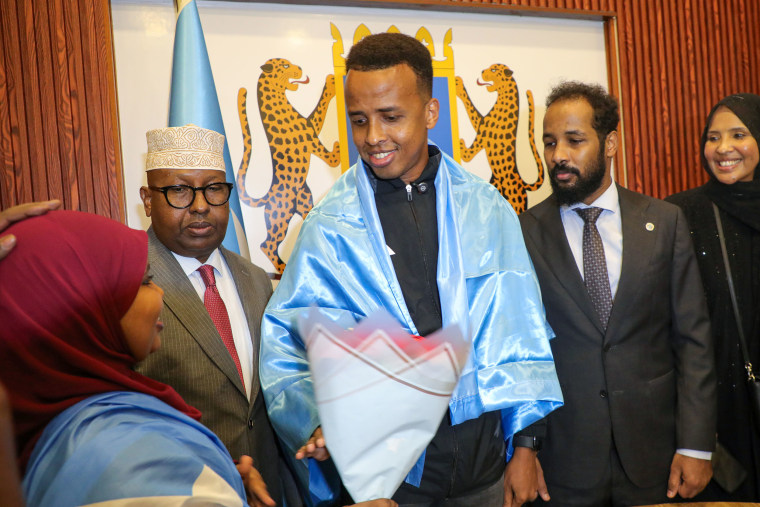
Although Somalia is not a participant in the World Cup, the atmosphere at Mogadishu’s airport on Wednesday resembled a victory celebration. Supporters, blue-bereted police, and journalists eagerly surrounded a plane that had taxied to the terminal. However, it wasn’t a triumphant soccer team on board but Omar Artan, a man caught in the crossfire of America’s strict immigration policies during a major sporting event.
Omar Artan, age 34, was set to be the first Somali referee officiating at the World Cup, hosted by the United States, Canada, and Mexico. After landing in Miami for the referees’ training base, he was detained and questioned for 11 hours before being sent back to Somalia. Artan’s experience is not unique. According to Iranian state media, 15 Iranian officials also faced entry denial, similar to the official Iraqi team photographer. Aymen Hussein, an Iraqi player, and other teams reported invasive border searches.
The U.S. government had assured FIFA that all eligible participants and fans could attend. Nonetheless, travel bans and restrictions from President Donald Trump’s tenure still create uncertainties. These policies affect citizens from 39 countries. Previous World Cup events like those in Russia 2018 and Qatar 2022 faced scrutiny, but denying entry to an accredited referee is unprecedented.
Hillary Clinton criticized the actions, deeming them “terribly backward”. Ian Wright, a retired soccer star, labeled the event the “World Cup of chaos”. Andrew Giuliani, leading the White House World Cup task force, said Artan was denied for valid reasons but offered no details. A spokesperson for U.S. Customs and Border Protection cited “vetting concerns” without elaboration.
An anonymous Trump administration official claimed Artan had alleged links to suspected terror organization members, although no evidence was provided. Artan dismissed these claims, stating ignorance about Somalia’s al-Shabab. Meanwhile, Somalia expressed solidarity with Artan. The Somali Sports Ministry showed “deep regret” and the Somali Football Federation offered full support, though urged for clarity on the situation’s facts.
The Iraqi delegation faced additional inspections, described as routine by CBP for verifying information. While one member, not identified as Hussein, was admitted to the U.S., another was declared inadmissible due to vetting issues.
White House spokesman Davis Ingle stated that Trump aims to ensure a secure and enjoyable World Cup, dismissing criticisms as “ridiculous scare tactics” by liberal activists. FIFA has yet to respond to requests for comments.
Jules Boykoff, an academic at Pacific University, criticized the “performative searches” of officials, arguing they contradict the World Cup’s hosting spirit. Travel obstacles prevent many fans from attending U.S. matches. High costs for tickets and accommodation also add financial strain, making this World Cup potentially the most expensive for fans.
“There’s a moral obligation to let people enter the country: that’s the whole point of the World Cup, that’s the universality of it,” Ronan Evain, executive director of Football Supporters Europe, stated.
Out of 104 matches, 78 will occur in the U.S., with the remainder in Canada and Mexico. Artan, remaining optimistic, pledged focus on future refereeing opportunities despite travel setbacks. Anticipated visa issues trace back to Trump’s travel ban policy introduced after his re-election. Nations like Haiti and Iran face travel bans under this policy, while others like Ivory Coast and Senegal face partial restrictions.
Players from affected countries have primarily gained entry, but fan travel remains uncertain. Iran reported their entire ticket allocation revoked, and Ivory Coast’s fan association chose not to attend. The Trump administration defends the restrictions as necessary security measures.
Amnesty International condemned the policy, labeling it “discriminatory, racist, and downright cruel.” Even fans from non-restricted countries face high fees and potential denials. FIFA introduced a “FIFA Pass” for prioritized visa appointments, but critics say it lacks efficacy.
Sarah Pierce, director of social policy at Third Way, criticized the U.S. actions as damaging to the precedent of hosting international events. She hopes the backlash encourages more welcoming policies for future hosts.
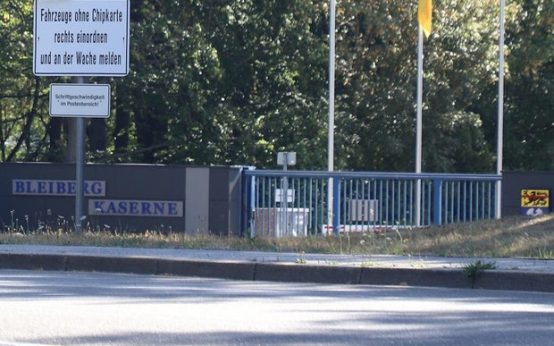 Drone Sightings Over German Military Base Raise Security Concerns
 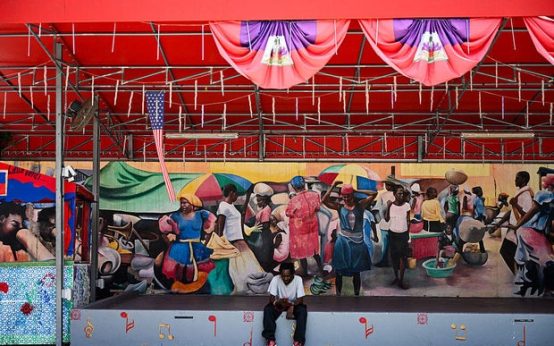 Pregnant Haitian Woman Faces Uncertainty as TPS Ends
  Iran Issues New Demands Over Strait of Hormuz
  Toddler Causes Flight Cancellation Due to Seat Belt Issue
  Pentagon Urges Defense Industry to Increase Weapon Production
 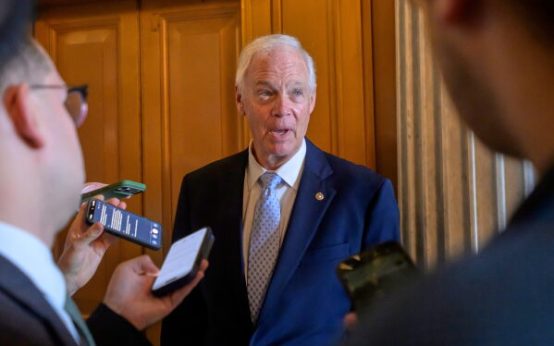 Middle East Developments: Iran’s Stance on Strait of Hormuz and Regional Tensions