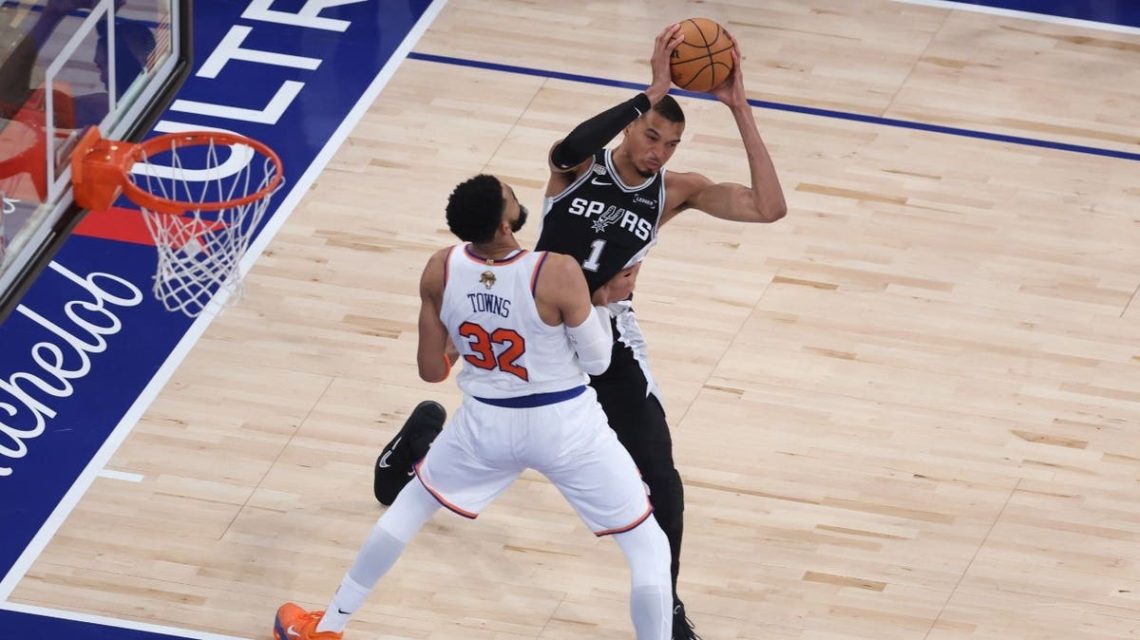
On Wednesday, ESPN shared a graphic highlighting the viewership of Game 3 of the NBA Finals between the Spurs and Knicks. The ratings were substantial. According to the network, the game attracted 23.8 million viewers. This made it the largest audience for an NBA Finals Game 3 since 1998, setting records for ABC and ESPN.
Despite these impressive numbers, reactions varied. Instead of celebrating, some critics questioned the figures, directing their comments at outlets like OutKick and personalities like Clay Travis. Let’s explore the context for these ratings.
Nielsen’s New Methodology
The significant ratings shift can partly be attributed to Nielsen’s updated measurement system. Known as Big Data + Panel, this system combines data from digital devices with traditional panel data. Some debate the accuracy, yet the system has inflated audience estimates for live sports.
This change has influenced viewership across various sports, from the NFL to golf. The Super Bowl’s second half was an exception, where ratings fell after a performance by Bad Bunny.
Structural Changes in Broadcasting
Other changes have affected the NBA playoffs viewership. For the first time, first-round games were not shown on local affiliates, directing more viewers to national broadcasts. Additionally, games moved from TNT, a cable network, to NBC, a broadcast network with a broader reach.
Without considering these changes, comparing today’s ratings to previous seasons can be misleading. Some blogs continue to do so, but factors like the rise of streaming further complicate this landscape. Networks mix streaming data with traditional TV measurements, but the calculations differ.
The Impact of Streaming and Political Messaging
Networks incorporate streaming data using analytics like Adobe’s for platforms such as Peacock, altering traditional audience calculations. However, not all sports fans critique positive league announcements, showing a unique reaction from NBA followers.
Despite these nuances, the Finals are performing better than recent years. This is not surprising, as the New York Knicks play in the country’s largest TV market. The franchise’s quest for a championship since 1973 has also gained attention.
Moreover, the NBA has reduced overt political messaging. A 2021 YouGov/Yahoo News poll revealed that nearly half of Americans changed their viewing habits due to politics in sports. The NBA’s distancing from political messages, such as the ‘Black Lives Matter’ movement during the COVID-affected season, aligns with this trend.
Embracing Change and New Talent
Adam Silver, NBA commissioner, publicly accepted President Trump’s Finals attendance, signifying the league’s shift. As Victor Wembanyama emerges as a potential new face for the NBA, the league’s future success might depend on cultural choices.
Wembanyama’s actions during the national anthem stirred some controversy. His influence in maintaining the NBA’s growth hinges on his public perception and appeal.
While challenges remain, including political and cultural issues, for now, the NBA is experiencing a healthier state than before. Ratings and interest are up, and the Finals are captivating. How the league balances sports, politics, and cultural influence will shape its trajectory.
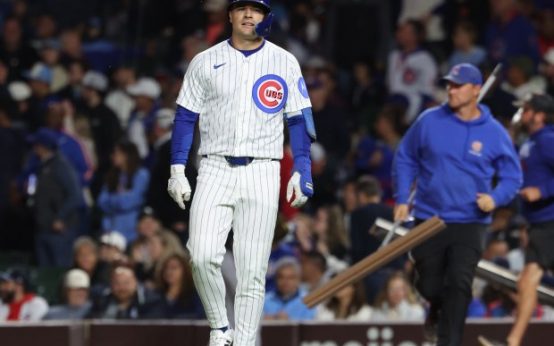 Cubs and White Sox in Playoff Race
 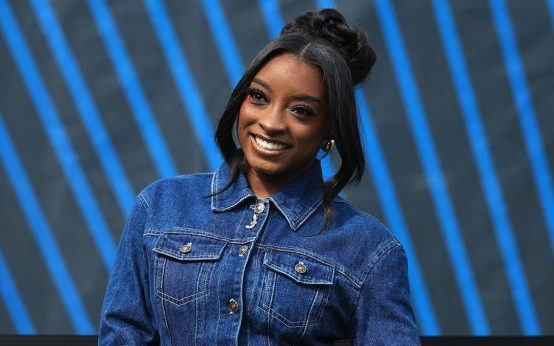 Discussion on NFL Draft Comparison and Simone Biles’s Car Issue
  Chicago White Sox’s 2026 Success and Team Dynamics
 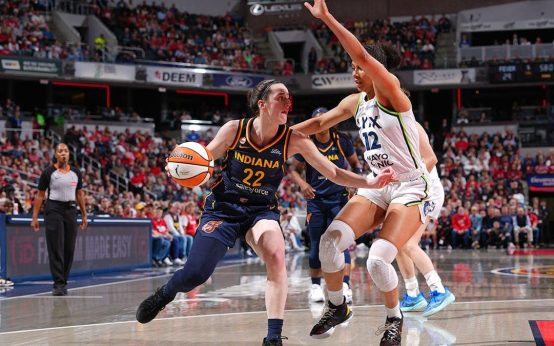 Indiana Fever Bounce Back with Win Against Minnesota Lynx
  Kurt Angle Reflects on His TNA Wrestling Career
  Analyzing NFL Teams After Two Weeks