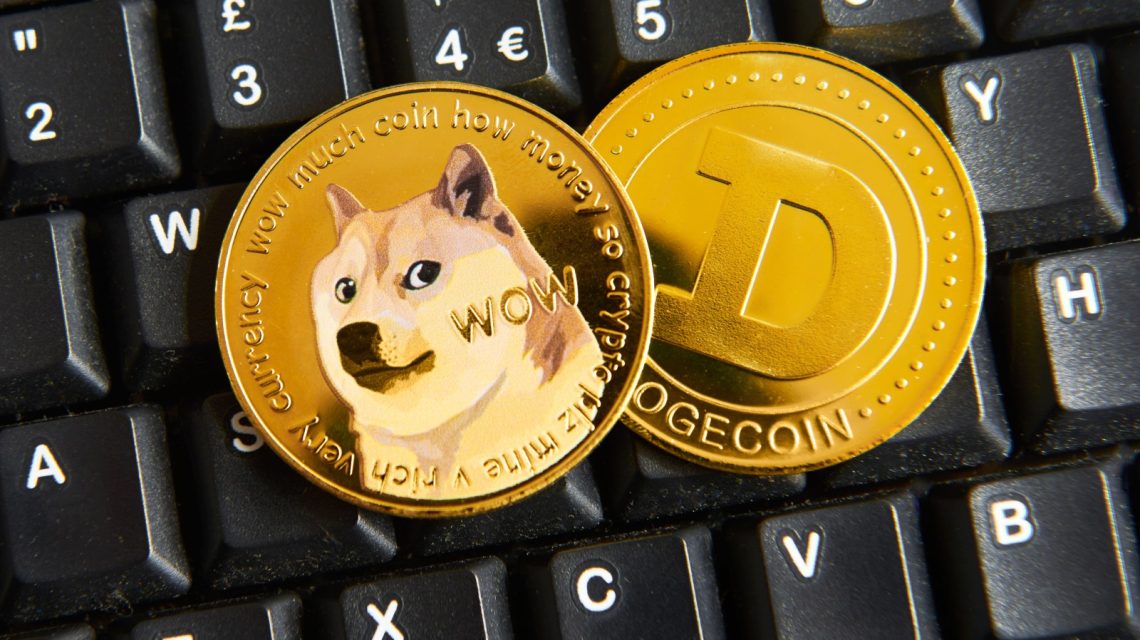
Cryptocurrency has moved beyond being a niche internet project. It’s now part of discussions on retirement accounts, Wall Street products, corporate finances, political speeches, and mainstream investment platforms. This progression is attracting a new wave of investors. Many stick to well-known assets like Bitcoin and Ethereum, but some are exploring newer cryptocurrencies, often termed ‘altcoins.’ These have lower market caps and are generally less proven than their more established counterparts.
Investment in altcoins comes with potential high rewards but also significant risks. These markets are less regulated than traditional stocks. The lack of strict rules around market making, insider trading, and market manipulation means that altcoin markets operate under more variable standards. This lack of consistency and visibility can lead to situations where markets appear solid and credible at first glance but turn out to be fragile and potentially manipulated.
How Altcoin Investors Get Burned
An altcoin launch often creates a lot of buzz. The initial trading volume seems strong, and the market appears healthy. This can mislead ordinary investors into believing a robust market exists. However, this initial enthusiasm can quickly fade. When buyers disappear, selling forces prices down, and the perceived active market reveals itself as thin and weak.
This common occurrence in crypto investing often results from hidden structures in a token’s market setup before public trading begins. Early trading behavior can be influenced by undisclosed market-making agreements.
Understanding Market Making
Every market needs both buyers and sellers to function. In traditional finance, market makers facilitate trades by narrowing the gap between the buying and selling prices. They help maintain orderly trading. Similarly, in the crypto world, token projects often employ market makers to create viable markets upon launching a token.
Ideally, a good market maker reduces volatility, aids in transparent price setting, and enables easier buying or selling of tokens without drastic price shifts. But the specific terms of market-making agreements, such as fees, token loans, options, or incentives, matter a lot. These details often remain hidden from regular investors.
A market can appear healthy due to visible volume and high interest. Yet, if the market maker operates on short-term incentives, the launch may temporarily mimic a strong market. As prices increase, insiders might sell off holdings, leaving retail investors vulnerable when the hype subsides.
The Impact of Opaque Market-Making Deals on Investors
Altcoin projects do not typically aim to deceive. Most crypto founders strive to avoid dubious market-making practices. However, distinguishing between effective market makers and untrustworthy operators is challenging. Historically, there’s been a lack of public data on market-maker performance, forcing founders to rely on reputations or referrals.
Low-quality operators often win contracts by making bold claims. Sometimes, projects knowingly engage in short-term market-making arrangements to boost early trading interest. They hope this will attract investors and sustain a higher token price. But when the market-making deal expires, token prices can drop, causing losses for early investors. The core issue lies in the lack of transparency; investors cannot assess the agreement or the history of market firmness.
The Need for Greater Transparency in Token Launches
There is a pressing need for projects to publicly share the foundational terms of their market-making setups. Information such as token loans, discounted allocations, and trading incentives should be disclosed. This allows traders to know whether the market is supported by stable liquidity or temporary strategies that enable large holders to exit at a profit.
Encouragingly, more market makers are starting to disclose past performance data, letting projects better assess which firms have consistently upheld healthy markets and which rely on reputation alone. This shift towards evidence-based evaluation is a significant improvement. Higher performing market makers are likely to secure more business, while those with lesser quality will find it more challenging to compete based on mere appearances.
However, transparency regarding performance is just the beginning. Full disclosure around market agreements is necessary. Investors should understand the incentives behind a token’s initial market behavior. For crypto to gain mainstream trust, it must establish a credible market standard where investors are well-informed about what influences prices before they commit to buying.
Shane Molidor, the founder and CEO of Forgd, a Web3 investment bank and advisory optimization platform, emphasizes the importance of accessible tools for blockchain projects.
 Maximize Savings with New Interest Rate Hikes
  Maximizing Returns with Short-Term CDs
  Debate Over Mortgage Accessibility Continues Amid Lender Standards
  Maximize Savings with the Right Interest-Bearing Account
  Wall Street Dips as AI Stocks Decline
  Wall Street Awaits Key Financial Updates from Major Retailers and Fed Meeting Insights