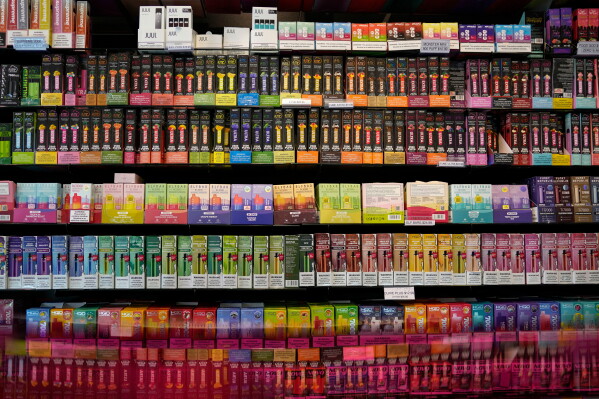
The Food and Drug Administration (FDA) recently approved fruit-flavored e-cigarettes, but their effectiveness in helping smokers quit is not significantly better than tobacco-flavored versions. This decision has sparked discussion about the FDA’s approach.
Last month, the FDA endorsed fruit-flavored vapes as a less harmful option compared to traditional cigarettes. However, there is concern that these flavors attract children. Health organizations and lawmakers in Washington questioned the decision, demanding further explanation.
A recently released FDA memo provides some insight. It indicates that the agency is cautious about the risks associated with sweet vaping flavors. However, data provided by Glas Inc., the vape manufacturer, had shortcomings. For a product to meet federal standards, it must demonstrate public health benefits, such as helping adults quit smoking, without attracting teens.
Data showed that adults using Glas vapes were more likely to stop smoking within a three-month study period. However, there was no significant difference between users of the company’s mango and blueberry flavors and those using tobacco-flavored e-cigarettes. Thus, the vapes didn’t meet the benchmark set by other approved flavored products, like menthol vapes from Juul and NJOY, which proved more effective for adults trying to quit smoking.
The memo explains that Glas vapes didn’t have to show added benefits for adults because they were less likely to appeal to young people. Glas uses an age-verifying cellphone app for its products. This decision contrasts with recent FDA guidelines stating that fruit and dessert flavors face stringent requirements due to their appeal to minors. Tobacco-flavored products are less popular with teens and meet different regulatory standards.
The FDA memo is notably brief. Detailed memos for new vaping products usually run the length of dozens of pages. For instance, a previous memo for Juul’s menthol e-cigarettes extended over 90 pages, including research data on 50,000 individuals. Conversely, the memo on Glas omitted critical data, like the number of smokers involved in their studies. Unlike past authorizations, which were published immediately, the Glas memo appeared on the FDA’s website more than a month after approval.
Members of Congress have raised concerns about the FDA’s decision. Last month, 10 Democratic senators requested more information from the agency, describing the authorization as “shortsighted and reckless.”
Glas applied for authorization in 2021, and FDA scientists approved several flavors in February. However, a senior official postponed this decision during Commissioner Marty Makary’s tenure. The mango and blueberry flavors were approved during Makary’s last week at the FDA. He resigned amid criticism from stakeholders, including tobacco companies lobbying for more relaxed vaping flavor regulations.
 Potential Changes in Medicare Reimbursement for Lab Tests
  Understanding and Addressing the Complexity of Suicide
  Recall of Meat Products from Star Meat Delivery Inc.
  Questions Arise After Presley Gerber’s Death in Rehab
  Upcoming Concerns and Influence in Health Politics
  Fraud Task Force Saves Billions by Tackling Obamacare Misuse