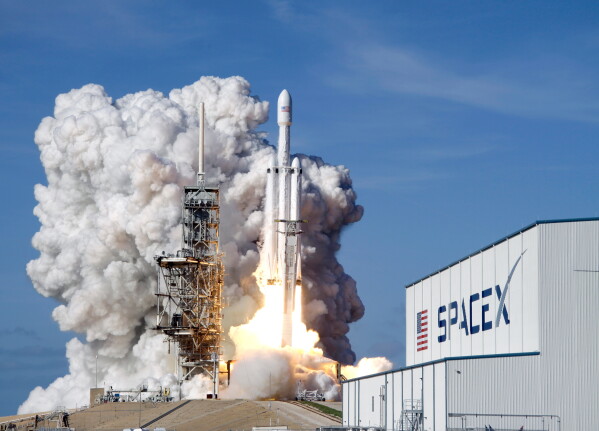
Elon Musk’s company, SpaceX, is set to hit Wall Street on Friday. It offers 555.6 million shares at $135 each. This move could make Musk the first trillionaire. The IPO might reach $75 billion, potentially the biggest IPO ever. SpaceX aims to send people to Mars. Musk’s compensation partly depends on establishing a Mars colony of at least a million people.
Reasons for Going Public
During a video call with JPMorgan CEO Jamie Dimon, Musk explained that he is taking SpaceX public to fund the launch of 100,000 next-generation Starlink satellites. The company needs capital to establish AI data centers in space. Going public offers access to the necessary funding and subjects SpaceX to shareholder scrutiny and regulatory oversight. This includes filing financial reports quarterly. Critics argue this can lead to short-term focus and unnecessary expenses. Regulators are considering a proposal to allow public companies to file these reports only twice yearly.
The Impact of the IPO on SpaceX
Musk will retain control through a special class of shares, determining the company’s strategy, finances, and staffing. SpaceX acknowledges Musk as the driving force behind its success. The company warns that losing Musk could harm its strategy execution and stakeholder relationships. Replacing Musk would be challenging. Some investors, including pension fund officials, are concerned about Musk’s significant power, “super voting shares,” and arbitration instead of lawsuits for shareholder claims. Their index funds may automatically purchase SpaceX stock if included in certain indexes.
Challenges and Opportunities for SpaceX
The reusable Starship rocket is vital to SpaceX’s plans. If Starship’s full reusability and quick turnaround fail, costs and timelines for deploying space infrastructure could increase. SpaceX leads competitors like Blue Origin in reusable rocket development. The Starlink satellite business competes with companies like AST SpaceMobile. SpaceX’s prospectus highlights its focus on artificial intelligence products for business, with an estimated market potential of $22.7 trillion. No clear path to profitability exists for its xAI business, merged with SpaceX earlier this year.
Wall Street’s Focus on SpaceX
Success in the IPO might quickly include SpaceX in the Nasdaq 100 index. The $460 billion QQQ ETF mirrors this index and will buy whatever is listed. Nasdaq allows select companies to enter after 15 trading days, but S&P Dow Jones requires a 12-month wait for the S&P 500 index. The S&P 500 impacts trillions of invested dollars, as seen with Vanguard’s $950 billion VOO fund tracking it.
 Expansion of Data Centers Fueled by AI Development
  Beijing’s Tactical Undermining of U.S. Supremacy Through AI
 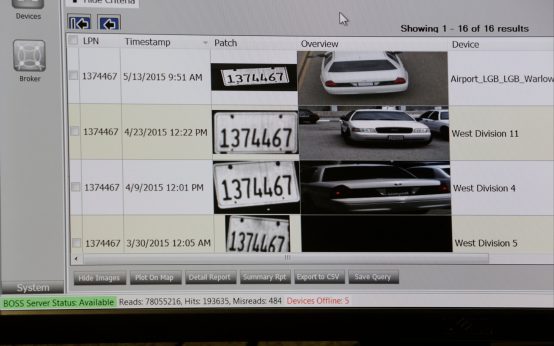 Controversy Surrounds Automated License Plate Readers Across the U.S.
 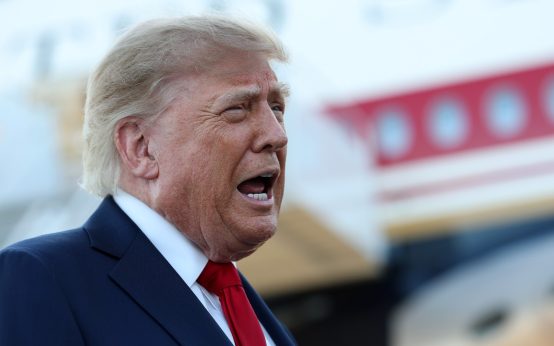 Trump and Harp Sued Over Truth Social Subscriber Program
  Implications of AI in College Admissions
  Congressional Inaction Amid AI Concerns