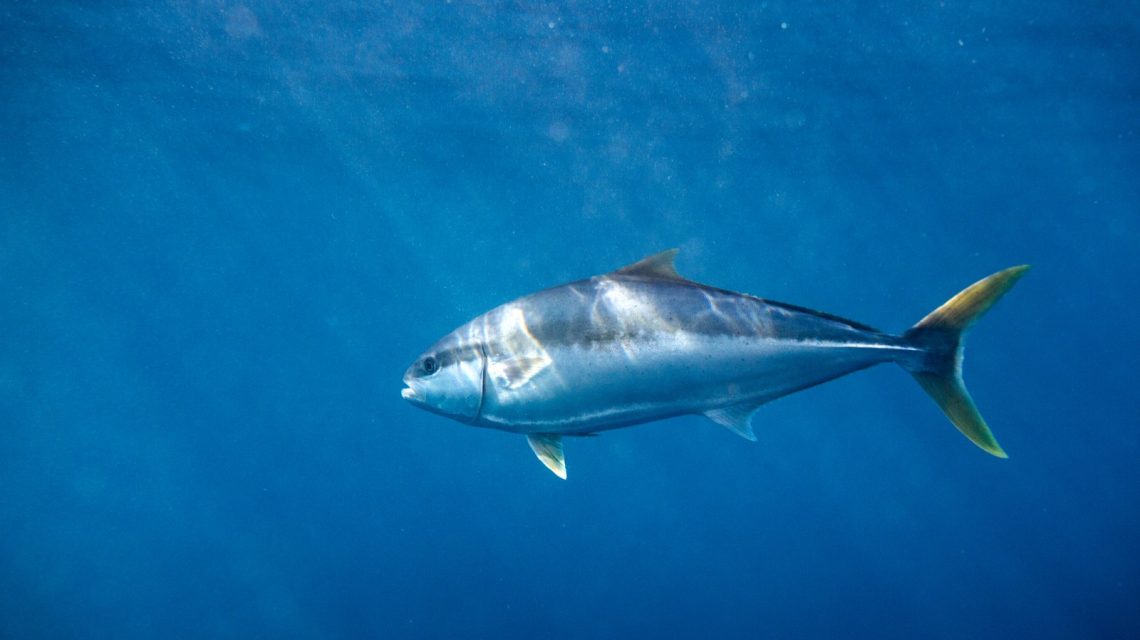
President Donald Trump has signed a proclamation that reopens parts of federally protected marine national monuments in the Pacific Ocean for commercial fishing. This decision aims to boost domestic seafood production and support U.S. fishing communities. While the fishing industry has welcomed this move, it has drawn criticism from environmental groups concerned about the impact on marine ecosystems.
Industry Support and Environmental Concerns
The administration claims reopening these waters will enhance seafood production, support coastal economies, and help U.S. fleets compete with foreign operations. However, critics argue this action threatens the protection of fragile ocean environments. Marine national monuments were initially intended to limit human activity to preserve ecosystems and biodiversity.
Oceana Fisheries Campaign Director Ben Enticknap expressed concerns: “These monuments were not created on a whim – they exist because standard fisheries management was not enough to protect the health of these spectacular and vital ocean regions.” These areas serve as vital breeding grounds for endangered species and unique marine ecosystems.
Details of the Proclamation
The order allows commercial fishing in parts of three major protected areas that previously restricted such activities. Established by Presidents George W. Bush and Barack Obama, these areas were protected to safeguard ecologically sensitive waters.
Marine areas opened to fishing include:
- Papahānaumokuākea Marine National Monument (Hawaii): Mau and Ho‘omalu zones
- Mariana Trench Marine National Monument (Western Pacific): Islands Unit
- Rose Atoll Marine National Monument (American Samoa)
The changes open nearly 500,000 square miles of Pacific waters to commercial fishing, aiming to reduce reliance on imported seafood, lower consumer prices, and strengthen domestic supply chains.
Historical Context and Protection Efforts
The protected monuments were established between 2006 and 2016 to conserve marine ecosystems. President Bush designated several Pacific marine monuments, including Papahānaumokuākea in 2006, to safeguard areas with historic or scientific significance.
The Mariana Trench Marine National Monument, for example, protects unique geological and biological features. Scientists have highlighted the region for its rare habitats and deep-sea environments.
Papahānaumokuākea was later expanded by Obama in 2016, making it one of the largest marine protected areas worldwide. This expansion aimed to preserve coral reefs and endangered species.
The Trump Administration’s Rationale
The Trump administration asserted that current federal fisheries laws provide adequate protection for marine species. The proclamation emphasizes that managed commercial fishing does not threaten the monuments’ scientific and historical aspects. Existing regulatory oversight will remain in place.
NOAA Administrator Neil Jacobs stated that “restoring commercial fishing access… reflects the continued commitment… to American fisheries,” emphasizing potential economic benefits, including job creation in the fishing industry.
Future Implementations
The proclamation dictates that only U.S.-flagged vessels can fish commercially within the monument boundaries, though foreign vessels may transport fish caught by U.S. fishermen under permits. Some restrictions will persist, notably within 50 nautical miles of specific islands and reefs in the Northwestern Hawaiian Islands and 12 nautical miles of Rose Atoll.
 Concerns in the U.S. Over French Riots
  Republican Concerns Over Changing Loyalty of Working-Class Voters
  US Vice President JD Vance Chooses Not to Endorse Netanyahu Amid Israeli Elections
  Controversy Over Smithsonian Screening of ‘White Guilt’ Documentary
  Rising Violence in Europe and Its Political Impact
  Matthew McConaughey Sparks Debate on America’s Two-Party System