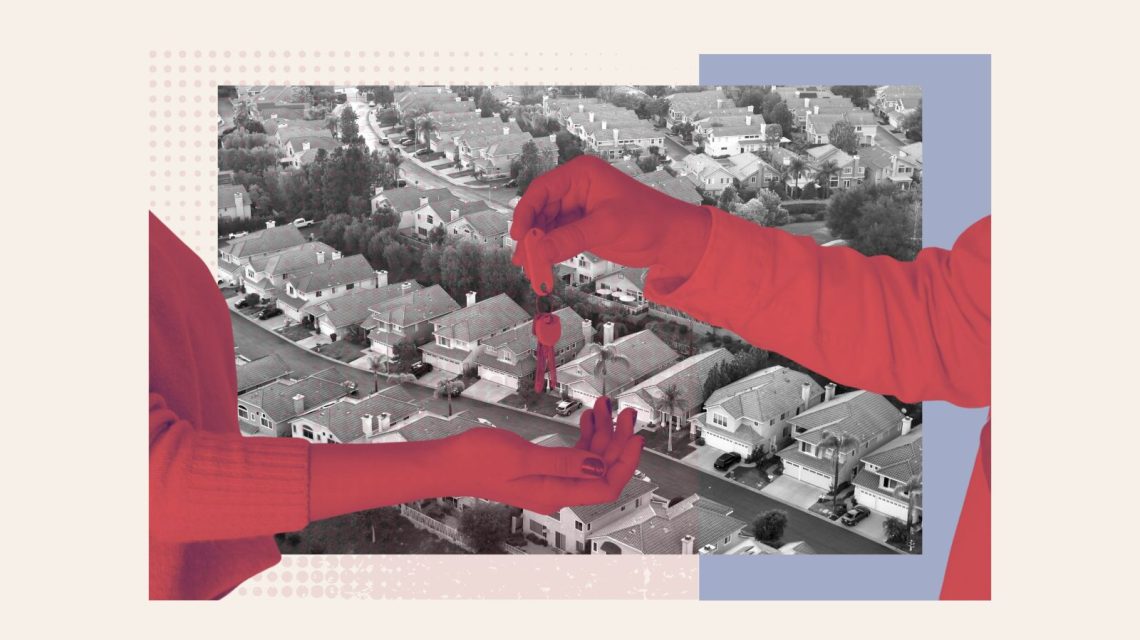
Private Home Sales and Property Tax Concerns
In several U.S. states, known as nondisclosure states, final home sale prices are not made public. This practice possibly allows property owners to pay lower taxes while increasing taxes for neighbors. Experts argue that home sales usually provide vital data for assessing a property’s value and determining property taxes. When properties sell privately in nondisclosure states, crucial pricing details remain hidden.
“Property taxes are typically imposed by reference to a property’s assessed value, and jurisdictions use different methods and data points to determine what that value is,” said Assaf Harpaz, an Assistant Professor at the University of Georgia School of Law.
He noted that off-market sales can create transparency challenges. These challenges may affect property assessments because fewer public data points are available to aid assessors and buyers.
Challenges for Tax Assessors
Private listings remain legal across all 50 states, with regulation by the National Association of Realtors (NAR). Typically, states require deed filing and transfer tax payments following a sale, which makes sales prices public records. However, in about 12 nondisclosure states, sales prices remain confidential.
This confidentiality creates an uneven information landscape. Harpaz noted that skilled and wealthier individuals might benefit more from this lack of transparency. They could leverage private information to challenge assessments.
Consequences of Information Gaps
Sergio Garate, a real estate researcher at Emory University, explored these issues in a study published in 2025. His findings show that private listings lead to unintended consequences for homeowners and buyers in nondisclosure states. With missing transaction prices, tax assessors rely on alternative data, like prior assessments or property features.
Garate explained that absent data makes valuation harder, increasing the risk of errors. Owners typically challenge high assessments but may not challenge low ones, leading to potential underassessments.
Increased valuation errors contribute to lower property taxes in nondisclosure states. Garate’s study also found evidence of appraisal bias and higher mortgage default rates among financially constrained borrowers in these areas.
A Case Study: New Mexico
New Mexico’s experience illustrates the effects of nondisclosure laws. The state’s full nondisclosure policy ended in 2004 when it introduced partial disclosure. Following this change, New Mexico reported a 4% annual increase in tax revenue, equating to $1.09 million, highlighting that previous nondisclosure practices suppressed tax revenue.
Property taxes aim to generate specific revenue for local governments. If properties are underassessed due to nondisclosure, other properties might have to compensate by bearing a larger tax burden.
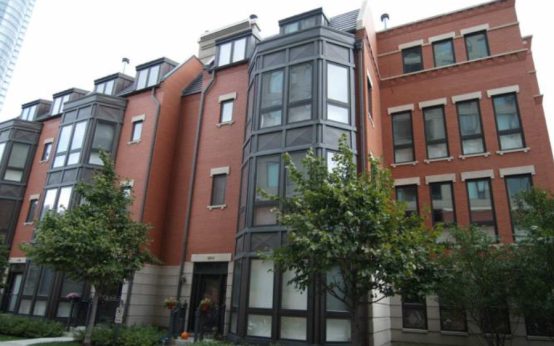 Former Chicago Bulls Guard Jevon Carter Sells West Town Home
  Understanding Real Estate Fees
  Homeowners’ Guide to Home Equity Loans: Costs and Considerations
 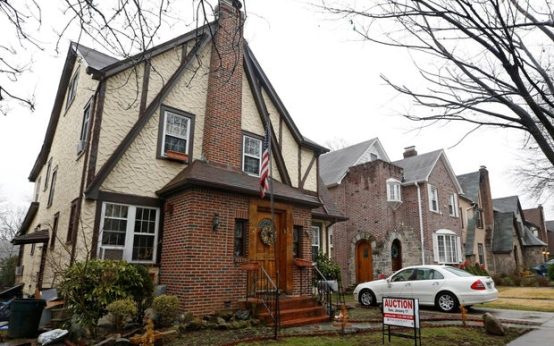 Trump’s Childhood Home Renovated and Sold for Nearly $2 Million
 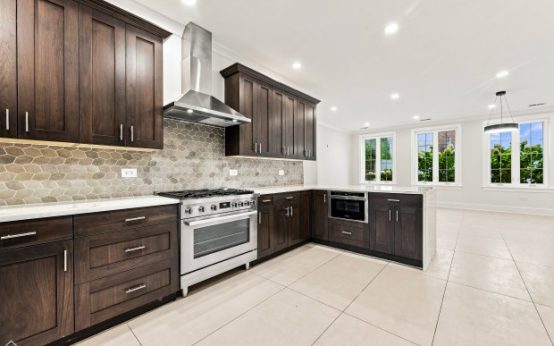 Luxury Five-Bedroom Home for Sale in Edgewater, Chicago
 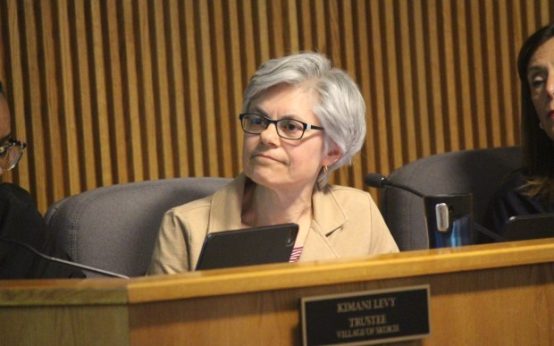 Skokie Trustees Revise Short-Term Rental Regulations