
In the Caribbean Sea, near Dominica, a harrowing night unfolded. Stranded in rough waters with a failing dinghy, survival seemed bleak until Dominican fishermen intervened. This incident underscores a fundamental maritime principle: helping those in distress.
The obligation to assist mariners, defined by international maritime conventions, came into question on Sept. 2, 2025. The U.S. engaged an unidentified vessel in international waters, continuing to strike as survivors clung to the wreckage. Over eight months, the U.S. targeted 60 small vessels, resulting in over 200 deaths. Many were not identified as threats but were simply sailors struggling against a harsh sea.
This crisis prompted six Democratic senators to remind U.S. servicemembers of their legal duties. Despite hearings and media backlash, the strikes persisted. The latest occurred on May 30, 2026.
Maritime trade and communication are vital. Approximately 80% of global trade uses ocean routes. Nearly all international internet traffic relies on undersea cables, forming a global network. Recent decisions by the Trump administration have jeopardized established maritime norms, affecting shipwrecked sailors’ protection, navigation freedom, telecommunications, and seabed resources.
Freedom of navigation ensures that trade continues smoothly, even through narrow straits like Hormuz. Although not ratified by Iran or the U.S., customary law maintained this freedom. Recent conflicts led both countries to set blockades, threatening this essential freedom. Resolution prospects are uncertain.
The U.S. is not alone in challenging international norms. Historical treaties protect subsea cables, crucial for global connectivity. Allegations against Russia suggest deliberate cable disruptions. Iran places tolls on cables in the Hormuz Strait.
The Law of the Sea views high sea minerals as a global heritage. The U.S. challenges this with the Deep Seabed Hard Minerals Resources Act, granting mining leases in international waters. Thirty years of negotiation efforts have been sidelined, disregarding scientific concerns about the environmental impacts of deep-sea mining.
The U.S. claims adherence to the Law of the Sea, lacking formal treaty ratification. This ambiguity negatives the historically upheld maritime spirit.
Maritime communities thrive on trust, now shaken. The Trump administration’s actions have altered U.S. relations with the ocean and its people. To restore maritime trust and uphold safety norms, ratification of the Law of the Sea is vital. Without this, future mariners may find fewer allies in perilous situations.
Andrew D. Thaler, deep-sea ecologist and Public Voices Fellow, emphasizes these pressing issues. This material is © 2026 Nexstar Media Inc.
 Experts Doubt Export Ban Will Lower Fuel Prices
  A Shifting Political Landscape: The Decline of Autocratic Power
  Trump Delivers Warning to Iran, Cuba at UN General Assembly
  Trump Delivers Stern UN Speech on Iran, AI, and Global Security
 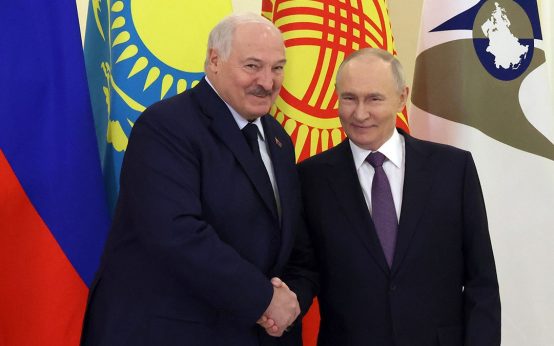 Lukashenko and Putin’s Unique Relationship and Belarus’ Strategic Role
 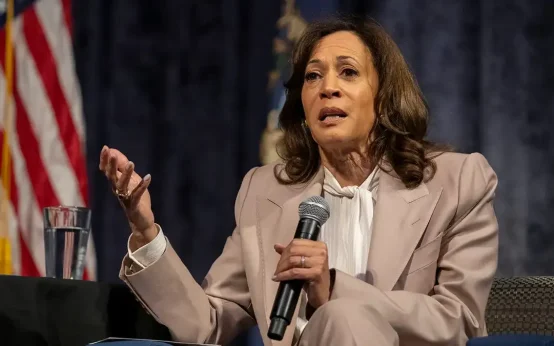 Harris Discusses Potential 2028 Presidential Run