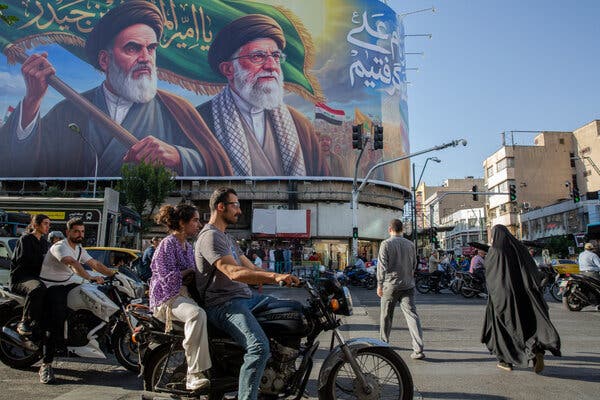
Following a preliminary agreement between Iran and the United States to pause their conflict, Iranian leaders are portraying the deal as a triumph. Politicians, generals, and clerics from various political backgrounds emphasize Tehran’s resilience against a much stronger adversary.
This narrative is being promoted even as Iran has faced significant losses. The country has seen the demise of key political and military figures, a substantial reduction of its ballistic missile stock, and further strain on its already struggling economy due to a naval blockade.
“Iran has taken a major step toward final victory,” stated Mohammad Bagher Ghalibaf, the Speaker of the Iranian Parliament, on social media. He has been pivotal in negotiating the deal.
As the agreement was nearing completion, Sadegh Amoli Larijani, chairman of an influential council overseeing government activities, also expressed on social media that Iranians displayed a “renewed spirit of resistance,” defeating plans of the U.S. and Israel to topple the Islamic Republic.
These statements likely aim to present a united stance domestically and internationally. This occurs amidst criticism from a hard-line minority labeling the agreement as betraying those who perished in the war.
The sentiments also reflect the current genuine perception among Iran’s leadership. They highlight that the agreement’s terms—though not fully disclosed—do not meet the objectives initially outlined by President Trump. He had called for “total and complete victory” for the U.S. and “unconditional surrender” by Iran.
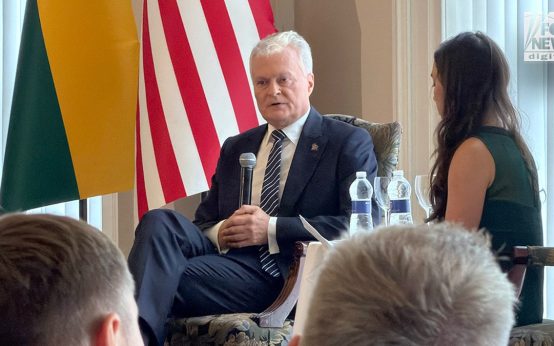 Lithuanian Leader Seeks U.S. Military Commitment Amid Rising Russian Threats
 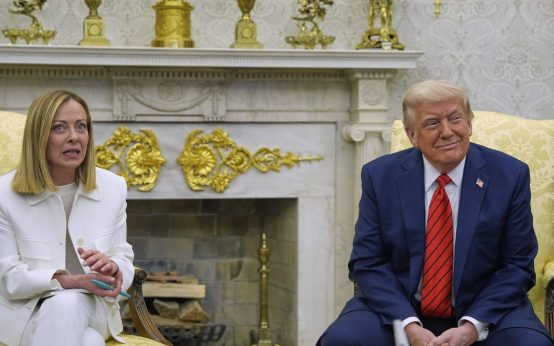 Italian PM Giorgia Meloni Skips UN General Assembly Amid Growing Tensions
 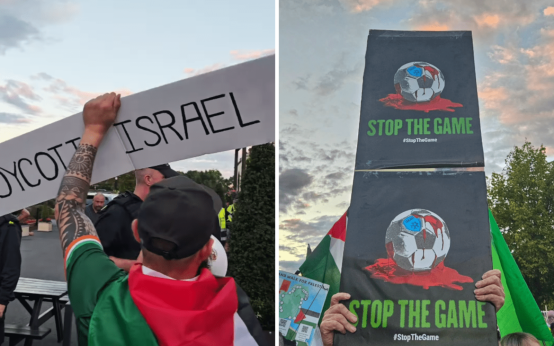 Calls Grow for Ireland’s Soccer Team to Boycott Matches Against Israel
 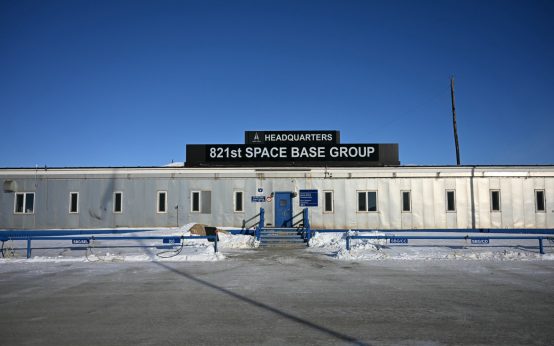 New U.S. Military Bases Planned in Greenland Amid Strategic Security Deal
 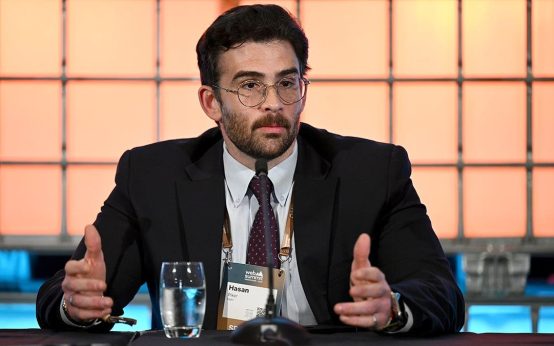 Twitch Streamer Hasan Piker Discusses Controversial Commentary
  A Shifting Political Landscape: The Decline of Autocratic Power