On a sunny afternoon in Dexter Township, Michigan, Malik Amine and his brother prepared their family pontoon boat for summer. As they removed the cover and admired Portage Lake, they faced a decision on fueling the boat’s 52-gallon engine. The Iran war has caused gasoline prices to rise, impacting recreational boaters like motorists.
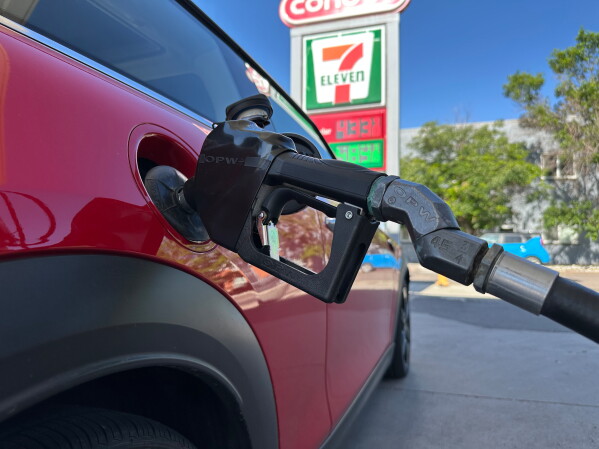
Recent data from the motor club AAA shows gasoline prices have decreased lately. However, a gallon of regular gas still costs 34% more on average than last year. Diesel fuel, also used by some boaters, has increased by 53%. Ethanol-free gas, preferred by many boaters, classic car owners, and lawn mower users, costs 20 cents to $1 more per gallon than regular fuel.
Near Portage Lake, about 60 miles west of Detroit, a gas station sells ethanol-free fuel for $7 per gallon. Amine opted not to fill the boat’s tank before Memorial Day weekend, citing the unpredictable end of the ongoing conflict.
“The cost is going to be a lot more than it was last year,” Amine noted. “It seems smarter to fill it only as needed.”
The National Marine Manufacturers Association estimates that 100 million Americans enjoy boating annually, contributing to a $230 billion industry. Conversations with boaters show that many plan to continue boating but are adjusting their activities due to high gas prices. Ellen Bradley, chief brand officer, reports that boaters might change their behavior—traveling shorter distances or spending more time anchored instead of cruising.
Neil and Kathleen Donohoe, who live on a 50-foot boat named Granuaile, have been cruising the East Coast and the Bahamas for seven years. Maintenance is typically their highest expense, yet fuel costs have recently become significant. They use marine apps and talk to other boaters to find the cheapest fuel.
The couple plans to remain near Chesapeake Bay rather than heading north as usual, citing no urgency to repeat trips to Canada and Maine while fuel prices are high. Kathleen Donohoe remarked on the unease of spending amid widespread financial struggle.
Gas prices also impact boating businesses. Seattle Sailing Club, offering lessons and rentals, has seen a 10.7% fuel cost increase since the war began. Lindsey Brown, the club’s office manager, noted diesel prices jumped from $6.50 to $7.99 per gallon. Although their boats primarily rely on wind, they carry backup gas or diesel engines.
Brown, who lives on a marina sailboat, shared that the wastewater pump-out service introduced a fuel surcharge. The summer season could see businesses like Seattle Sailing Club affected by rising fuel costs.
Melissa Kunnert, owner of NautiMi On the River near Portage Lake, rents a tiki-themed pontoon boat for parties at $50 a person, maintaining pricing despite increased fueling costs. She speculates that higher gas prices might boost her business, keeping locals closer to home.
In Traverse City, Michigan, Robert Hinds added a $50 fuel surcharge to his fishing trips as the owner of Central Coast Angling. Regular customers do the math on traveling costs, with a Nebraska client opting out. To minimize expenses, Hinds decided against his own costly fishing trip to Wisconsin.
“I can just stay home and fish here,” he concluded.
Boat owners, businesses, and customers are assessing their options as fuel prices influence decision-making.
AP Video Journalist Mike Householder contributed to this report.