Changing Dynamics in Dating
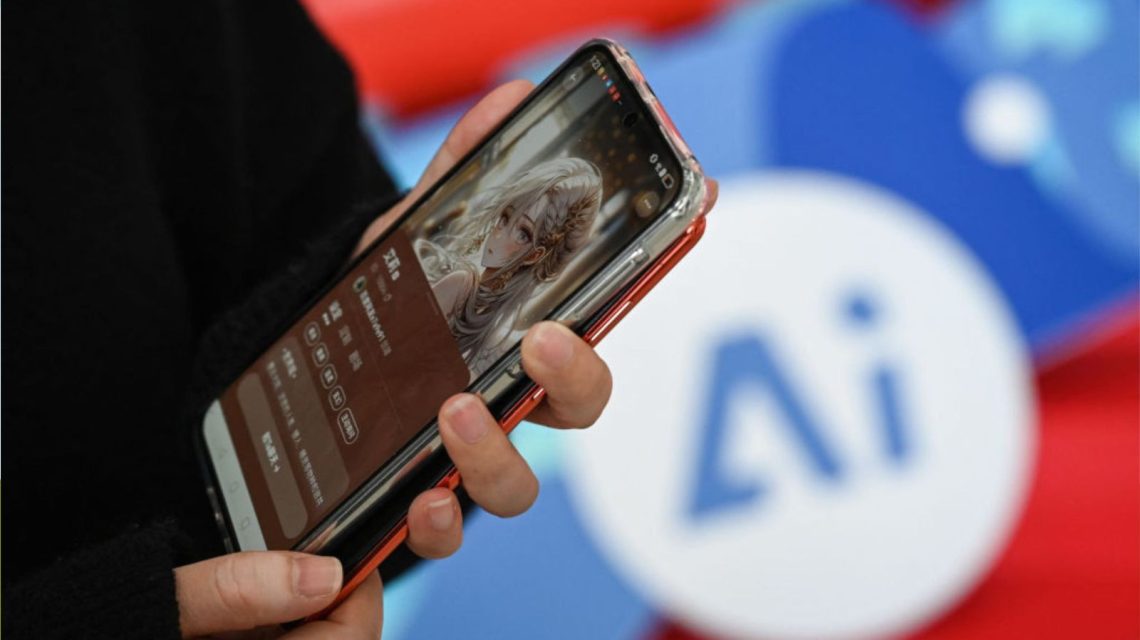
Artificial intelligence is influencing how Americans date, raising concerns about its impact on intimacy. AI companions, often called ‘AI girlfriends’ or ‘AI partners’, are redefining dating norms by eliminating many emotional risks found in typical relationships. A Vantage Point Counseling study reported that 28.16% of U.S. adults have had at least one intimate or romantic relationship with an AI, with over half reporting some kind of engagement with AI systems.
Younger people may find the rise of AI-generated romance worrying, according to therapists. Alexandra Cromer, a licensed professional counselor with Thriveworks, shared with Newsweek that AI partners offer an unrealistic standard for healthy human relationships. They represent a fantasy-filled narrative, not grounded in the realities of interpersonal connections.
The Significance of AI Companions
The emergence of AI romance may mark a significant shift in how people connect and what they anticipate from relationships. AI companions are built to be responsive, agreeable, and always emotionally available. Such traits can be more instantly gratifying, according to therapists, but they can also distort expectations of real partners, who naturally come with their own needs, boundaries, and limitations.
Key Considerations
Therapists explain that AI companions appeal because they simulate connection without the unpredictability seen in human behavior. Dr. Michael Salas, a licensed professional counselor-supervisor at Vantage Point Counseling, expressed in the study that AI partners offer a controlled sense of connection without the fear of rejection. AI interactions provide immediate responses, constant availability, and consistent validation, unlike human relationships.
People can also customize an AI’s tone and personality, ensuring minimal risk of rejection or conflict. Cromer highlighted the control an AI partner offers, allowing all needs to be met, creating a one-sided relationship where the AI demands nothing in return.
Shift in Dating Expectations
While AI partners may seem like an easy option, they can complicate real-life connections, making real-world dating feel more challenging. Salas noted that real dating is about attraction without control. If a person gets accustomed to romantic connections with infinite availability and adaptability, genuine dating interactions may appear unnecessarily difficult.
Exposure to frictionless AI connections may reshape attitudes toward intimacy, especially among younger users learning to date. Traditional human relationships often involve mismatched expectations, emotional discomfort, and rejection, which are essential for developing relational skills.
Generational expert Bryan Driscoll commented to Newsweek that real relationships require engaging with the messy realities they present, unlike the AI’s sanitized interaction.
Not Just Isolated to Singles
Research shows AI romance is not isolated to single people. Data from Vantage Point indicates even individuals in committed relationships explore AI intimacy, complicating the conventional notions of exclusivity and fidelity. Around 53.34% of those studying AI intimacy report being in successful relationships with humans.
Salas stated the importance for couples to address whether emotional or sexual intimacy is being concealed within the relationship.
Teens and AI Relationships
The shift is profound among teenagers. Another Vantage Point Counseling survey indicates 72% of U.S. teens have utilized an AI companion, with about one-third using them for social interaction, emotional support, or romantic-style conversations. Therapists emphasize adolescence is when people develop skills to manage real relationships.
Salas pointed out that AI can seem like the perfect listener to teenagers, providing instant, non-judgmental responses. While this might be comforting, it risks limiting real-world social skill development if AI replaces human interaction.
Cromer warned of increased isolation, frustration with dating, and challenges in practicing discernment in the pursuit of human partners.
The Future of AI Companionship
With AI platforms expanding, millions now use chatbots for friendship and romance. Driscoll observed a potential disconnection in a generation accustomed to relationships requiring nothing, finding difficulty in those demanding effort and engagement.
Ultimately, the challenge lies not in whether emotions can bond with AI, but whether human relationships can compete with a system that never argues, rejects, or seeks understanding in return. This raises concerns about rising self-criticism and unrealistic standards impacting society’s views on beauty and emotions.
 Controversy Over Smithsonian Screening of ‘White Guilt’ Documentary
  U.S. Navy Expands Contract for AI-Powered Ship Inspection
  Allegations of Surveillance by Former OpenAI Engineer with Saudi Connections
  Sports Highlights and Controversies from October
  Debate Over Autonomous Vehicles in D.C.
  Elon Musk Pledges SpaceX Shares for American Children