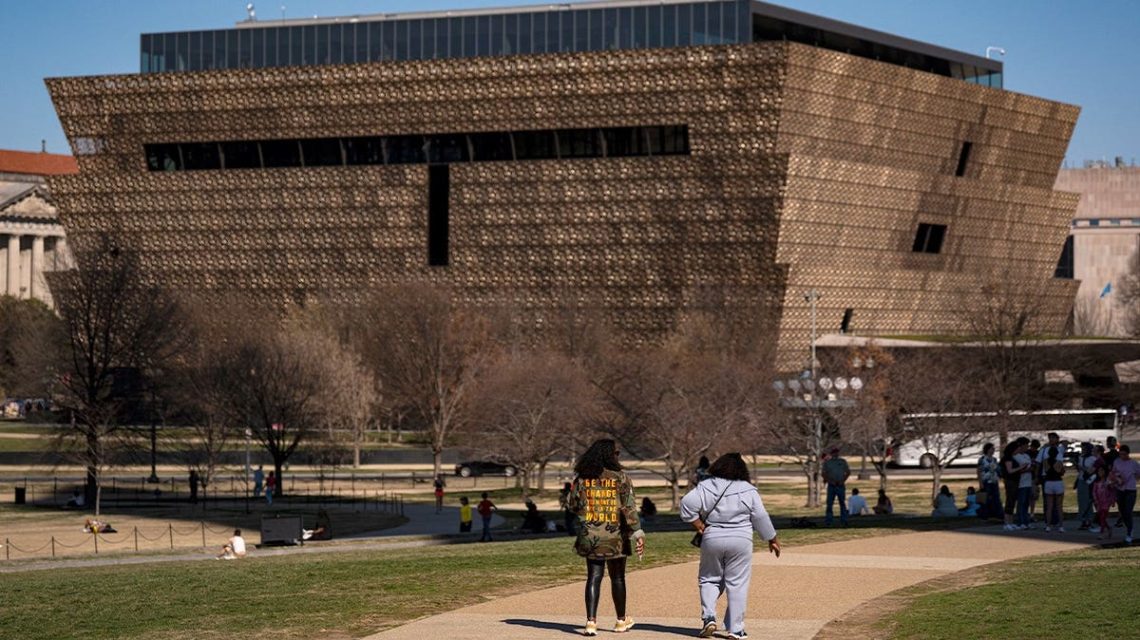
A Black conservative filmmaker, Eli Steele, is questioning the Smithsonian regarding the absence of a public screening of his film “White Guilt” at the African American history museum. The documentary, co-produced by Steele and based on his father Shelby Steele’s work, challenges progressive views on race.
The film asserts that White guilt, tied to America’s racial history, and the fear of being labeled racist have led institutions to emphasize racial identity over individual merit. The Smithsonian Museum, located in Washington, D.C., has showcased documentaries on systemic racism, but Steele’s film has yet to be scheduled for a public showing.
President Donald Trump and his administration have criticized the Smithsonian for allegedly promoting biased narratives, threatening to limit federal support while pushing for patriotic presentations of American history.
“The film is professionally shot, and the quality is there,” Steele told Fox News Digital. “The question is about viewpoint diversity, asking if only specific Black perspectives are welcome at the Smithsonian.”
The museum has shown other films such as “13th,” an exploration into the implications of the 13th Amendment, and “Hidden Figures.” Despite Steele’s request for public screening dates, the museum offered him a private rental option instead, at a significant cost of $35,000.
Carol Swain, a retired Black conservative professor, noted that academia and institutions like the Smithsonian, historically inclusive of diverse views, now increasingly marginalize conservative perspectives, especially from Black conservatives.
Jason Riley, a Wall Street Journal columnist, expressed similar sentiments, suggesting that the museum’s leadership represents a liberal narrative prevailing in media and academia, possibly reflecting a reluctance to accommodate dissenting viewpoints.
Both Riley and Swain propose that Steele’s film could benefit audiences by challenging common assumptions about race and encouraging critical reflection on progressive policies.
The Smithsonian has yet to formally respond to Steele’s queries about alternative public screening dates. Steele, in response to the museum’s lack of engagement, highlighted his father Shelby Steele’s lifelong work on race and identity, asserting that it merits discussion at the museum.
Brown University professor Glenn Loury emphasized that while the film’s arguments are open to debate, they provide valuable provocative insights. He advocates for a Smithsonian screening to foster comprehensive dialogues on the film’s themes.
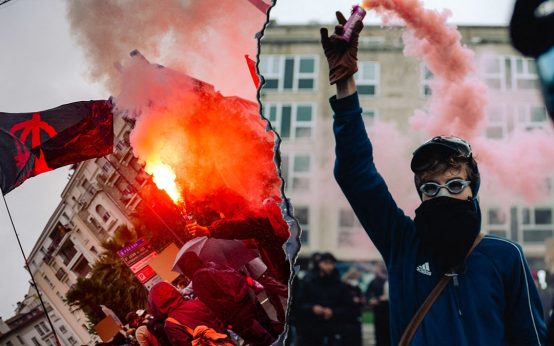 Concerns in the U.S. Over French Riots
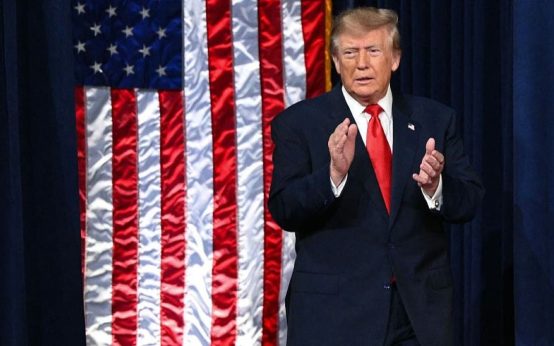 Republican Concerns Over Changing Loyalty of Working-Class Voters
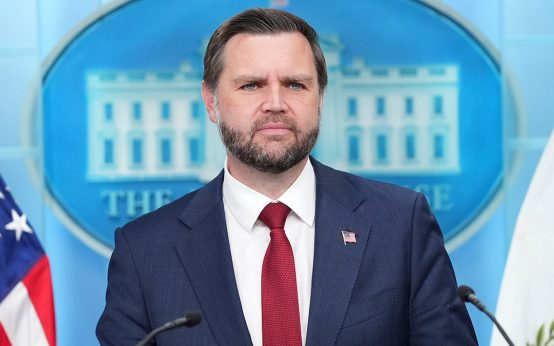 US Vice President JD Vance Chooses Not to Endorse Netanyahu Amid Israeli Elections
 Rising Violence in Europe and Its Political Impact
 Matthew McConaughey Sparks Debate on America’s Two-Party System
 Rogers Criticizes El-Sayed’s Policies in Michigan Senate Race