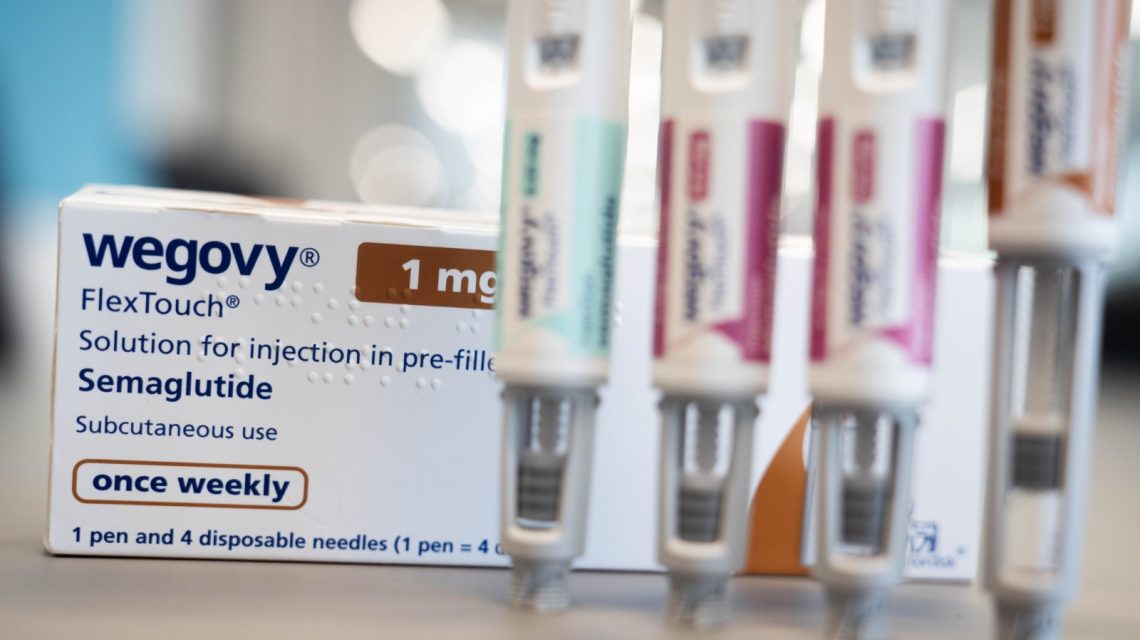
Drugs like Ozempic and Wegovy have gained attention for aiding weight loss, but they also raise concerns due to their influence on the brain. Known as GLP-1 receptor agonists, these medications reduce persistent thoughts about eating by mimicking a hormone promoting fullness and slowing digestion. As a result, they impact brain areas related to reward, impulse, and mood.
Scott Kanoski, co-director of the University of Southern California Diabetes and Obesity Research Institute, emphasized that these drugs can affect the brain, especially regions connected to emotion and memory. However, their effects remain poorly understood and may vary based on the patient and drug type. While they help in weight reduction, they might also pose risks to mental health.
GLP-1s have been linked to a 40 percent reduction in alcohol consumption, but they might also lead to eating disorders or negatively impact mental well-being. Further studies are crucial to comprehensively understand their effects. For now, experts recommend cautious use under close medical supervision.
Emerging Mental Health Concerns
The American Psychological Association highlighted in a July 2025 report that GLP-1s could reduce dopamine responses not only to food but also to enjoyable activities. The National Eating Disorders Association warned that the safety of these drugs for individuals with eating disorders is unclear. Concerns include drug misuse, worsened eating disorders, and other risks.
Despite helping with calorie reduction and quick weight loss through weekly injections, some researchers report cases of “drug-induced” anorexia. A 2024 study from Chung Shan Medical University Hospital linked GLP-1s to heightened anxiety, depression, and suicidal tendencies. A 2025 analysis emphasized that these drugs could reduce addictive behavior but might increase depressive symptoms.
GLP-1 Misuse and Access Risks
Dr. Sarah Boss, clinical director at the BALANCE Rehab Clinic, noted that some patients misuse GLP-1s without medical guidance. Many obtain these prescription-only drugs online or through pharmacies without proper supervision or follow-up.
Andrew Hardaway from the University of Alabama pointed to “cosmetic abuse” as people seek unbranded alternatives from unreliable sources, raising health risks. Pamela Keel from Florida State University expressed concerns that research may not keep up with the drugs’ growing use, stressing the need for more studies to understand the potential effects.
Boss reported that some patients experience severe psychological side effects after GLP-1 use, yet continue due to fear of weight gain. Without clinical supervision, they’re left unsupported when facing psychological challenges. This pattern suggests a need for psychological assessments before granting access to these drugs.
Mixed Evidence and Ongoing Research
Paul Kenny, from the Friedman Brain Institute, acknowledged both positive and negative impacts of GLP-1s on mental health. He cited research showing reduced cravings for food, nicotine, and alcohol. While the benefits currently seem to outweigh the risks for weight loss, understanding individual responses remains essential.
Ali Güler, a professor of biology, stressed the importance of considering each patient’s background before prescribing these drugs. GLP-1s might help address issues like metabolic diseases or compulsive behaviors, but they may be risky for patients prone to eating disorders or body-image distress.
A Call For ‘Personalized’ Care
Hardaway advocated for personalizing GLP-1 treatment, suggesting dosage adjustments to maximize benefits and minimize side effects. As it’s currently done off-label, this approach requires robust scientific research and clinical trials to ensure effective and safe medication use.
He emphasized that the current practices, such as prescribing low doses for perceived “longevity” benefits, rely on speculative information. Rigorous science and trials are needed to confirm such claims and provide substantiated guidance.
Update, 06/17/26 05:25 a.m. ET: This article was updated to clarify the number of BALANCE Rehab Clinic’s patients using GLP-1 drugs.
 Struggles of a Family Battling a Rare Brain Cancer
  Effective Strategies for Post-Workout Recovery in Adults Over 35
  Understanding the Journey of FTD and ALS Through Personal Experience
  A Woman’s Battle with Rare Medical Conditions: Advocating for Awareness
  October Social Security Payment Schedule and Updates
  Understanding Mindfulness-Based Stress Reduction: Insights from Jon Kabat-Zinn