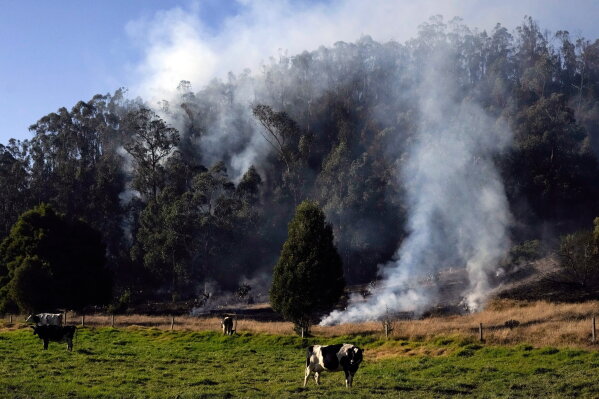
The ongoing conflict involving Iran has severely impacted global agricultural sectors, with the farmers facing tough times. Gas prices have risen, and fertilizer supplies are dwindling. This is due to Tehran’s near shutdown of the Strait of Hormuz in response to U.S. and Israeli bombings. The fertilizer shortage poses a significant threat to farmers in developing countries, already grappling with climate change. The issue has the potential to impact global food costs.
Impact on Global Agriculture
The poorest farmers in the Northern Hemisphere, who depend on Gulf fertilizer imports, are feeling the most pressure. The shortage hits during the critical planting season, according to Carl Skau, deputy executive director of the World Food Program. He warns of possible crop failures or increased food prices as a result.
Baldev Singh, a rice farmer from Punjab, highlights that many smallholders in India could face disastrous outcomes if the government does not step in with subsidies during peak demand in June. The war has disrupted the supply of crucial fertilizer nutrients through the Strait of Hormuz, a key global trade route. Iran’s decision to accept UN requests to allow humanitarian aid and agricultural shipments through the strait marks a small breakthrough amidst the ongoing conflict.
Fertilizer Supply Concerns
The focus has largely been on blocked oil and gas supplies, but fertilizer restrictions critically threaten food security worldwide. Nitrogen and phosphate, essential for plant growth, are under immediate threat from the blockade. Urea shipments, a primary nitrogen source, are particularly affected due to shipping delays and rising liquefied natural gas prices. This has disrupted about 30% of global urea trade, according to Chris Lawson of CRU Group.
Ethiopia has faced critical shortages, dependent on the Gulf imports for over 90% of its nitrogen fertilizer needs. Raj Patel, a food systems economist, points out that these disruptions come at the worst possible moment as planting seasons are underway.
Phosphate supplies are similarly strained. Saudi Arabia, which exports approximately 20% of the world’s phosphate fertilizer, combined with the region’s 40% export of global sulfur, exacerbates the problem. Post-war, Gulf producers would need clear security guarantees for shipment resumptions, and insurance costs would likely rise, according to analyst Owen Gooch.
Regional Effects and Government Responses
In India, the government’s prioritization of urea supplies for domestic use continues, covering nearly 70% of their fertilizer manufacturers’ natural gas needs. However, production capacities remain low, resulting in reduced output.
The United States and Europe, amid their primary planting seasons, are feeling the shortages as well. Joseph Glauber of the International Food Policy Research Institute notes that farmers face tighter margins now, urging potential shifts to less fertilizer-dependent crops like soybeans. Lower grain prices compound these financial pressures. China, another major nitrogen and phosphate supplier, has delayed resuming urea shipments until May, prioritizing internal supplies.
Vulnerability in Developing Nations
Africa’s agricultural sector, reliant on Middle Eastern and Russian fertilizer imports, is already experiencing disruptions. Early rains in East Africa have narrowed the window for soil preparation and fertilizer application. Stephen Muchiri from the Eastern African Farmers Federation notes that even minor delays can significantly impact maize yields.
Governments can mitigate these issues through subsidies, promoting domestic production, and restricting exports. In India, fertilizer subsidies ease the burden but limit resources for long-term agricultural investments. The country has increased domestic urea production, thereby elevating its dependence on imported gas. Excessive use has negatively affected local soil conditions.
Oliver Oliveros of the Agroecology Coalition argues for reduced reliance on imported fertilizers, emphasizing organic alternatives to safeguard against energy price fluctuations and climate impacts.
Correction: Saudi Arabia exports about a fifth of the world’s phosphate fertilizer. It does not produce about a fifth of the world’s phosphate fertilizer. The Associated Press’ climate and environmental coverage receives financial support from several private foundations, with AP holding full accountability for the published content.
 Cold Weather Alerts and El Niño Influence
  Turning Home Food Waste into Compost: A Guide
  Chicagohenge: When Sunlight Aligns with City Streets
  Fat Bear Week 2026: A Look at the Contest and Its Competitors
  California Governor Declares Statewide Emergency Ahead of El Niño Storms
  EPA Rollbacks and the Impact on Indiana Communities