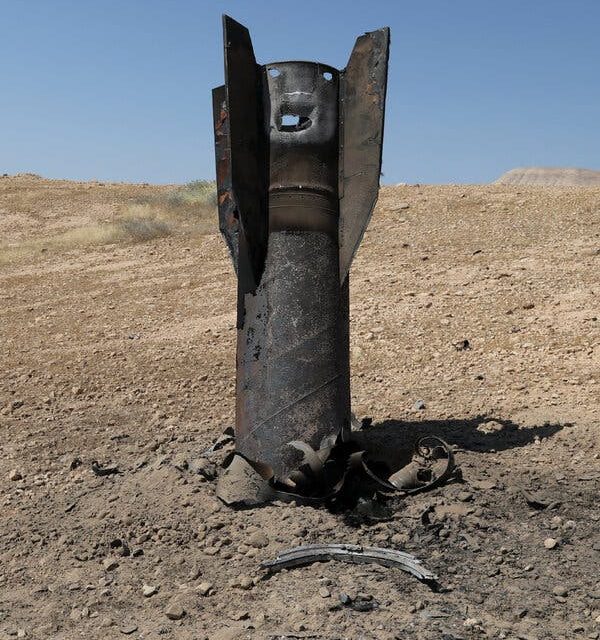
In March, nine days following the onset of war, U.S. warplanes launched attacks on Iran. President Trump announced a swift victory was imminent. Speaking to reporters in Florida, he stated significant progress had been made toward achieving military goals. However, this optimism was short-lived.
Three months later, fierce confrontations and considerable financial costs had taken their toll. Despite spending at least $29 billion and losing 13 American lives, the main objectives remained unmet. The Tehran regime endured, and Iran’s highly enriched uranium stockpile lay protected beneath rubble. Iran’s military still wielded significant drone and missile capabilities.
The complexities of conflict led to a strategic defeat for the U.S., the world’s wealthiest country with the most formidable military. Trump engaged an adversary that only needed resilience, not victory. Aligning with Israel, which had different strategic interests aimed at regional dominance, further complicated matters. Trump’s desire to broker peace, a role less desired by other involved parties, resulted in more willingness for concessions.
The war ended with a fragile, conditions-based truce instead of the unconditional surrender Trump initially demanded from Iran. Key issues remained unresolved, notably Iran’s control over near bomb-grade uranium, posing ongoing national security risks for the U.S.
Despite U.S. tactical success, such as the Navy’s blockade crippling Iran’s oil trade and currency, achieving strategic goals eluded the U.S. Intelligence indicated Iran’s missile reserves remained approximately 70% intact. Even after losing high-profile leaders, including Ayatollah Ali Khamenei, Iran quickly adapted under new leadership, further solidifying control over its population.
The conflict revealed vulnerabilities in the U.S. military-industrial base, raising concerns about potential aggression from adversaries exploiting these weaknesses. The U.S. managed to inflict significant damage and disrupt Iran’s war-making abilities, yet the resilience shown by Iran highlighted significant strategic challenges.
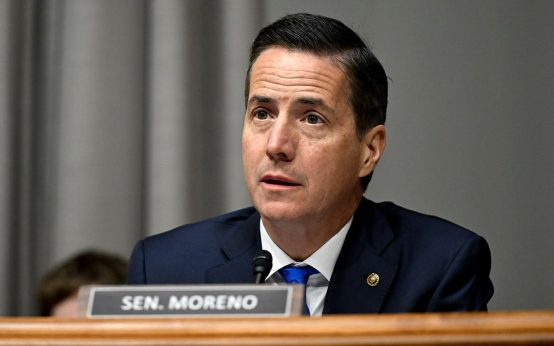 Senator Bernie Moreno Urges DOJ to Address Drug Policy Enabling Forced Abortions
  Karoline Leavitt Offers Insights on Trump’s Calls With Putin and Xi
 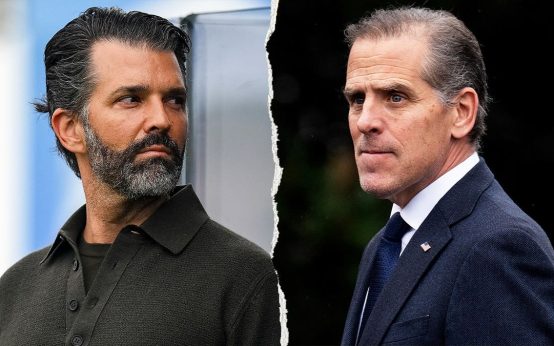 Curtis Pushes for Investigation into Trump Jr. and Biden
  Israeli Prime Minister’s Visit to the U.N. Amid Controversy
  Reader Perspectives on Social Security Reform and Competency-Based Degree Programs
  Republicans in Battleground States Urge End to Iran Conflict