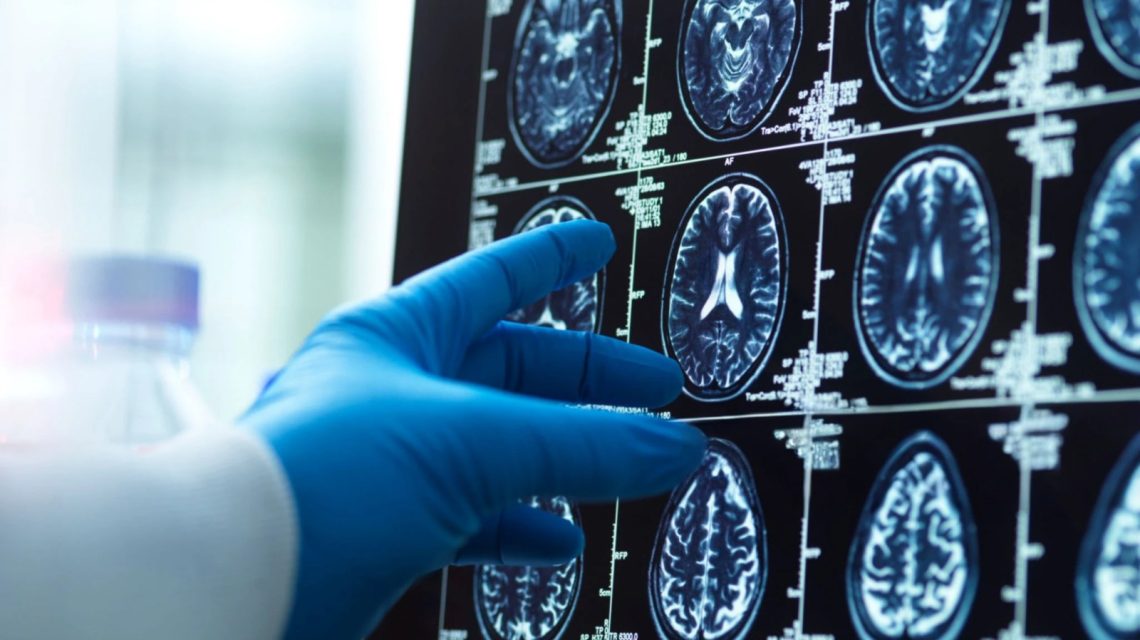
A copper-based compound could provide a new treatment option for Alzheimer’s disease. Researchers at Monash University found that the drug, Cu(ATSM), reduces toxic proteins in the brain and boosts memory in lab studies.
Impact on Toxic Proteins
Cu(ATSM) targets amyloid-beta proteins, which are closely linked to Alzheimer’s. The research, published in ACS Chemical Neuroscience, indicates that the drug enhances the brain’s waste management system. This system, often compromised in Alzheimer’s patients, is essential for clearing toxic proteins.
How Toxic Proteins Accumulate
In Alzheimer’s disease, amyloid-beta proteins build up due to a failing blood-brain barrier. This barrier usually filters substances entering and leaving the brain. As it loses efficiency, harmful proteins accumulate. P-glycoprotein (P-gp) pumps, responsible for moving waste out of the brain, play a key role here. When these pumps are less effective, toxic build-up worsens.
Research Findings on Cu(ATSM)
The study found that Cu(ATSM) enhances these pumps’ activity. Dr. Jae Pyun, the study’s lead author, reported improvements in brain blood vessel function. This led to decreased toxic protein levels and better cognitive performance. “This is the first study to show that Cu(ATSM) can increase the abundance of P-gp clearance pumps in an Alzheimer’s model, by 24.1 percent,” Dr. Pyun noted.
Over 56 days, this approach reduced amyloid-beta levels by 42 percent and increased spatial learning by nearly 44 percent. The findings suggest that repairing the blood-brain barrier is crucial for slowing or reversing Alzheimer’s damage.
Potential for Human Trials
Cu(ATSM) has been tested for other neurological conditions, which may accelerate its progress to human trials for Alzheimer’s. Senior author Professor Joseph Nicolazzo noted that the drug has anti-inflammatory and neuroprotective properties. It has reached clinical testing for Parkinson’s and ALS.
Reducing amyloid in the brain is a significant target for symptom improvement. Nicolazzo emphasized, “Because reducing amyloid burden improves functional outcomes, these preclinical results support testing this drug in early symptomatic Alzheimer’s disease.”
Remaining Questions
Researchers continue to investigate how amyloid-beta exits the brain post-barrier restoration. Cu(ATSM) might also enhance microglia, immune cells that break down toxic proteins. Dr. Dayan Goodenowe, a neuroscientist, highlighted that Alzheimer’s involves more than plaque build-up.
“Alzheimer’s involves the biological environment of the aging brain,” Goodenowe mentioned. For effective treatment, any mechanism must be validated for clinical benefit. He noted, “The research must move from mechanisms to human safety, dose, efficacy, and FDA validation.”
Implications for Future Treatment
Further research is needed, but these findings underscore the potential of targeting both blood vessel function and protein clearance. With dementia rates climbing, effective treatments are increasingly urgent. Repairing the brain’s cleaning system could be vital for future Alzheimer’s therapies.
 Understanding and Addressing the Complexity of Suicide
  Recall of Meat Products from Star Meat Delivery Inc.
  Questions Arise After Presley Gerber’s Death in Rehab
  Upcoming Concerns and Influence in Health Politics
  Fraud Task Force Saves Billions by Tackling Obamacare Misuse
  Presley Gerber’s Passing Raises Addiction Recovery Concerns