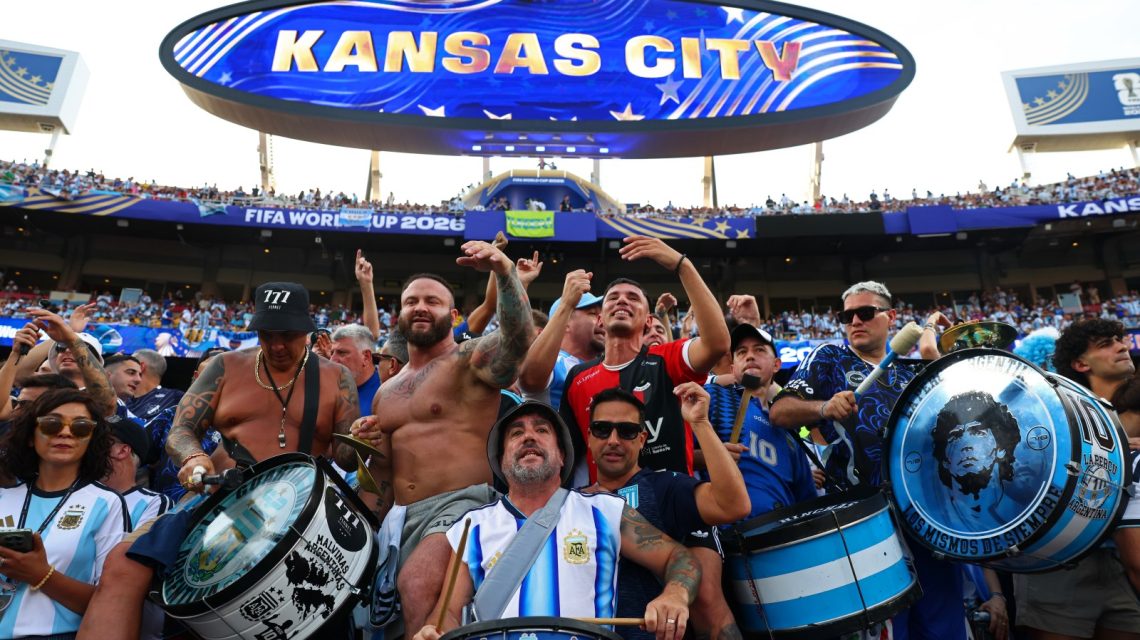
The 2026 FIFA World Cup is affecting short-term rental bookings in varied ways across different host cities. An analysis by AirDNA highlights both winners and losers in terms of demand. Data from the analytics platform shows that while some cities experience a spike in bookings, others hardly see a change.
Rising Demand in Select Cities
AirDNA’s research, focusing on short-term rental bookings in host and feeder cities, provides a clear picture of the demand surge surrounding World Cup events. In cities like Dallas, matchday bookings on platforms such as Airbnb and Vrbo have increased compared to last year.
Kansas City, which is hosting four group-stage games and two knockout matches, has seen the most significant increase in short-term rental demand. The city experienced a 49% rise in bookings compared to the previous year, with the Argentina vs. Algeria match on June 16 driving an 83% spike that day.
Texas cities like Dallas and Fort Worth also report demand increases of 27% and 45%, respectively. Miami sees a 40% year-over-year jump, suggesting that popular destinations continue to attract tourists during big events.
“Some host cities are expensive year-round, attracting tourists even outside major events,” notes AirDNA. “The World Cup tends to amplify existing differences, leading to higher surges in some markets.”
New York’s Unexpected Decline
Despite being a popular global destination and a major World Cup hub, New York faces a decrease in demand, with a 5% drop in bookings compared to the previous year on matchdays. Hotels anticipate losing over $100 million in expected room revenue as a result.
Vijay Dandapani, President and CEO of the Hotel Association of New York City, expressed concerns in May over lower hotel booking rates, below initial projections.
Overall Demand Insights
Airbnb cites the FIFA World Cup as potentially its biggest hosting event, surpassing the 2024 Paris Olympics. A significant weekly surge in searches for tournament-time stays was recorded in early June, with a trend of last-minute bookings as teams progress.
However, signs of inconsistent demand appear, with some group-stage matches seeing empty seats. Stephen Shapiro, Department Chair of Sport and Entertainment Management at South Carolina, comments on mixed demand, saying premier matches do draw crowds, yet overall interest might be overestimated.
“Ticket prices pose challenges for fans,” Shapiro explains. “FIFA and hosts should consider the impact of pricing, as it affects sport growth and young fans’ opportunities to enjoy these events.”
Despite this, overall attendance is robust compared to past World Cups. Higher resale prices suggest growing enthusiasm, and fans witness more goals per game than in previous tournaments.
“The World Cup has been phenomenal,” stated Scott Friedman from Ticket Talk. “The passion and enthusiasm among fans are evident.”
 Roger Craig Reveals Dementia Diagnosis During Hall of Fame Speech
  Controversy Follows DiJonai Carrington After Ejection from Chicago Sky Game
 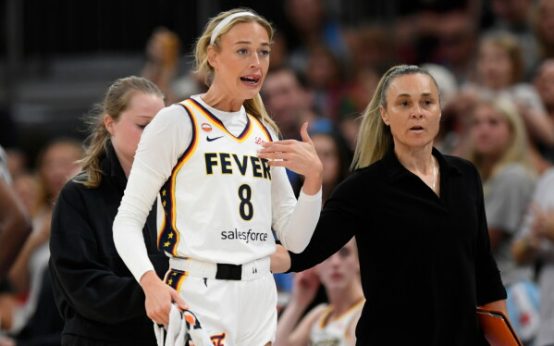 Controversial Incident Leads to Ejection in WNBA Game
  Roger Craig’s Moving Hall of Fame Induction
  Braves vs. Yankees: A Closer Look at the Matchup
  Red Sox’s Record-Breaking Rise in 2026