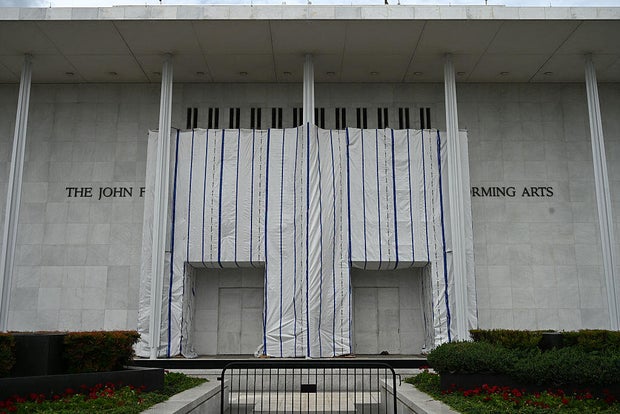
The Trump administration informed a federal judge that the Kennedy Center is still deciding on the scope of its upcoming performances. This decision follows a court ruling requiring the center to remain open. U.S. District Judge Christopher Cooper had previously prevented the Trump administration from closing the Kennedy Center for renovations until 2028. The decision came after a lawsuit from Democratic Representative Joyce Beatty of Ohio. The judge also stopped an attempt to rename the center in honor of President Trump.
Judge Cooper requested details on the status of the construction project and related board actions by a specified deadline. He also requested the administration’s plans for public access and programming after July 5, the originally planned closure date. The Kennedy Center has three options under consideration: full closure, partial closure, or phased closures to manage the renovation while offering varied programming.
In a recent court filing, Kennedy Center Executive Director Matt Floca outlined these options. The Justice Department is seeking additional time to respond, proposing a joint status report after the next board meeting. They highlighted that Judge Cooper’s order did not mandate a rescheduling of previously canceled programs or prohibit closures for renovations.
Representative Beatty’s legal team accused the administration of neglecting its duty to maintain programming. They argued that the center failed to ensure continuity, pointing out the recent end of the long-running play, “Shear Madness.” They demand weekly reports from the government on efforts to resume operations, and suggested starting discussions for lawsuit discovery.
In the past week, attention has also focused on the Kennedy Center’s name. Last week, Trump’s name was removed from the building in compliance with Judge Cooper’s order. This followed federal court refusals to delay the signage change. The administration confirmed these changes in court filings, which included removing Trump’s name from the center’s website and updating related materials.
Representative Beatty’s attorneys criticized the Kennedy Center for concealing the building facade with a tarp. They claim this act violates fiduciary duties. Judge Cooper’s ruling emphasized that the Board of Trustees, heavily affiliated with Trump, exceeded its limits in renaming the center. He mandated any board decisions must independently consider the center’s obligations before proceeding with closures.
President Trump’s administration had been centrally involved with the Kennedy Center since his second term began. Several board members were replaced with administration officials and Trump supporters. The board elected Trump as chair and voted to rename the center after him. Legal opinions confirmed any name change would require Congressional approval. Cooper supported this, stressing that Congress originally named the Kennedy Center, so only Congress has the authority to change it.
Initially, Trump signaled compliance, stating on Truth Social his intention to collaborate with Congress. However, as the deadline approached, the Justice Department requested a suspension of the district court’s order from the federal appeals court in Washington. The request was denied, leading to the subsequent removal of Trump’s name from the facility.
 Trump Delivers Warning to Iran, Cuba at UN General Assembly
  Trump Delivers Stern UN Speech on Iran, AI, and Global Security
  Lukashenko and Putin’s Unique Relationship and Belarus’ Strategic Role
 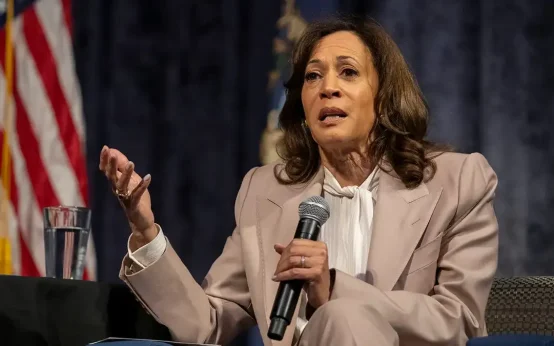 Harris Discusses Potential 2028 Presidential Run
 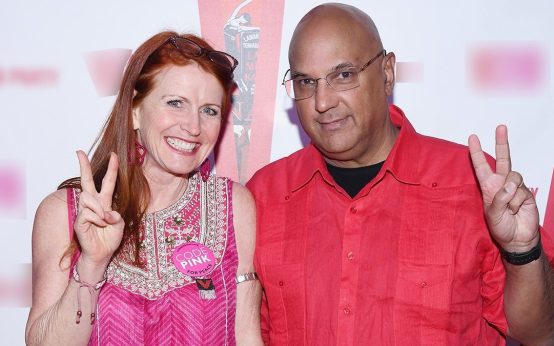 Far-Left Groups Allegedly Organize Protests in Austin
 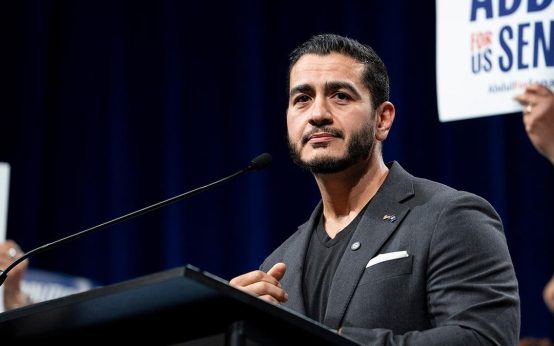 Michigan Senate Nominee Abdul El-Sayed Criticized for Remarks on Reproductive Rights