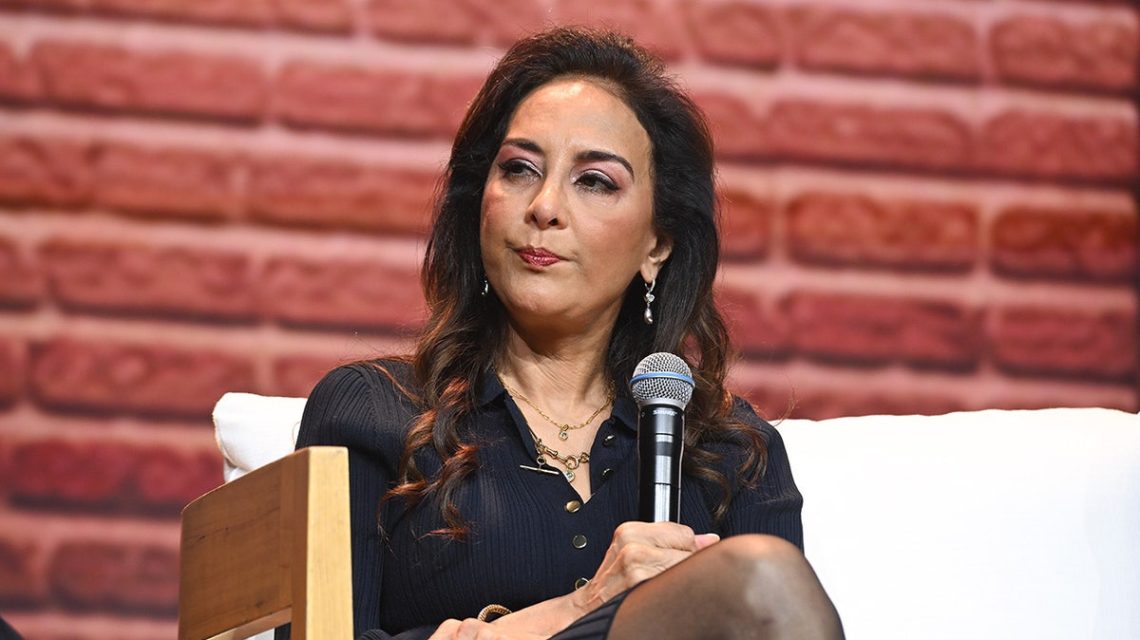
The federal government aims to halt reparations programs in the United States, arguing that state and local authorities are engaging in ‘virtue signaling’ and seeking ‘votes’ through these initiatives.
Assistant Attorney General Harmeet K. Dhillon of the Department of Justice’s (DOJ) Civil Rights Division expressed that the DOJ believes all Americans should be assessed based on individual merits rather than collective identities, following recent Supreme Court precedent.
Dhillon criticized the reparations program as inconsistent with the Constitution, stating it fails the required strict scrutiny due to racial classifications and the distribution of government benefits.
The Trump administration seeks to terminate the reparations efforts in Illinois, which involves distributing money based on race.
Dhillon’s remarks came after the DOJ joined a class-action lawsuit opposing the ‘Local Reparations Restorative Housing Program’ in Evanston, Illinois.
The Department argues that the program unlawfully allocates public benefits based solely on race and ancestry. According to Dhillon, beneficiaries have not suffered direct discrimination traceable to government actions.
Dhillon emphasized the nation shouldn’t operate on a system where individuals pay for damages they didn’t cause to victims who didn’t endure discrimination.
The DOJ’s complaint claims that the program infringes the Equal Protection Clause of the Fourteenth Amendment and the Fair Housing Act because it bases housing aid on race.
Originating in 2019 and commencing in 2021, the Evanston program grants eligible Black residents or descendants $25,000, which can assist in home purchases, mortgage support, property repairs, or direct cash.
Applicants must be Black and have lived in Evanston between 1919 and 1969, a period recognized by the city for systemic housing discrimination, or be descendants from that era.
While supporters see the program as essential for addressing historical economic inequities, the federal filing claims the program lacks narrow tailoring due to its sole racial criteria, leaving out proof of direct harm.
The legal challenge began in May 2024, when Judicial Watch submitted a class-action lawsuit for six non-Black Evanston residents, arguing exclusion from the program.
In March, U.S. District Judge John F. Kness denied Evanston’s motion to dismiss, permitting the lawsuit continuation. The DOJ also started its civil rights probe into Evanston.
More than $7 million of the allocated $20 million fund from Evanston has been distributed, financed by a local tax on recreational marijuana sales. In early 2024, Evanston’s Reparations Committee approved additional $25,000 payments to 44 residents.
Following the DOJ’s involvement, Evanston upheld the legality of its reparations program without commenting on active litigation.
Assistant AG Dhillon has also criticized the Asheville, North Carolina, reparations program. Various cities and states continue contemplating similar initiatives, including additional reparations plans in Illinois.
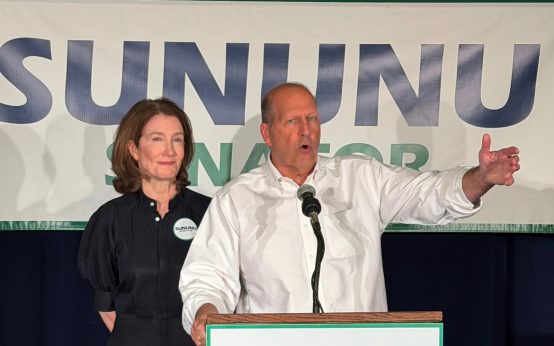 Tight Senate Race Emerges in New Hampshire
 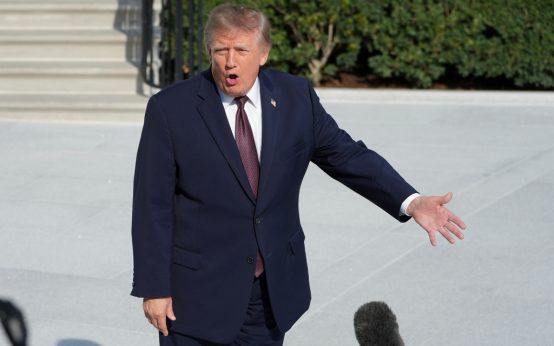 Trump’s Use of Taxpayer Dollars for Political Ads Sparks Controversy
  Examining the Jones Act: Time for Reform?
  J. Dennis Hastert, Former House Speaker, Passes Away at 84
  Trump Administration’s Pre-Midterm Policy Shifts Highlight Internal Tensions
  Pedro Sánchez Calls for Snap Elections Amid Rising Protests