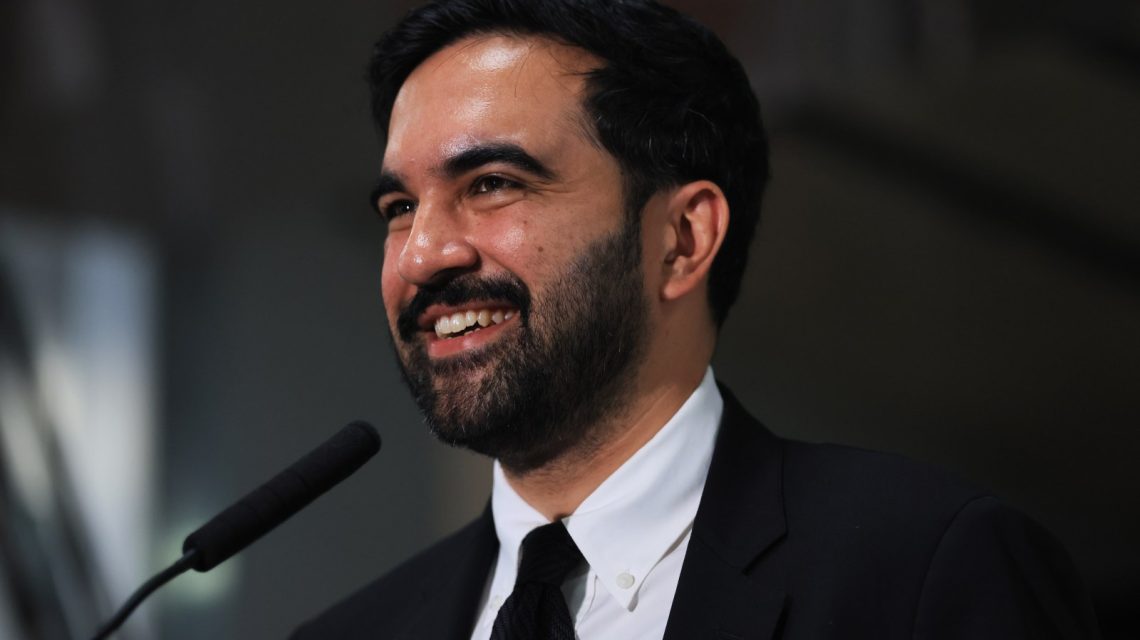
Rabbi Zalman Leib Teitelbaum, the Satmar Rebbe of Williamsburg, recently criticized efforts to label Mayor Zohran Mamdani as antisemitic. This positions one of New York’s most prominent anti-Zionist Hasidic leaders against Jewish organizations that accuse the mayor of fostering hostility towards Jews. The incident highlights the challenge of viewing Jewish New York as a single political constituency.
The Satmar community’s stance does not endorse Mamdani’s progressive politics. Their opposition to Zionism is religious and has long historical roots, emphasizing workable relations with governing authorities. Teitelbaum referred to the biblical instruction of seeking the welfare of the city where Jews reside and cautioned against confrontation with political leaders.
Mamdani found common ground with Satmar due to reasons quite distinct from those attracting anti-Zionist activists on the left. This complicates the usual shorthand where attitudes toward Israel predict political alliances. Jewish allies of Mamdani within the city do not form a coherent Pro-Mamdani bloc. While Satmar leaders cooperate with him due to a religious tradition, progressive Jewish groups may share views based on opposition to Israeli policies or broader political agreements.
For Satmar, practical concerns like city decisions on housing, schools, and social services have influenced their approach to Mamdani. During the mayor’s campaign, Satmar figures promoted maintaining relations, contrasting with other Orthodox voices favoring confrontation. Different motivations enable constituencies to align on Mamdani without agreeing on Zionism or other issues.
The Changing Jewish Consensus
Satmar’s relationship with Mamdani should not imply a collapse in Jewish support for Israel. While the movement has historically opposed Zionism, a 2026 survey by Pew Research Center showed 64% of Jewish Americans view Israel favorably. However, political implications of such views differ, as seen in debates over engaging with Mamdani.
Jewish leaders, who broadly support Israel, can disagree on whether opposition to Mamdani precludes cooperation. This was evident when Orthodox leaders met Mamdani, with former Assemblyman Dov Hikind criticizing the meeting, whereas Rabbi Yaacov Behrman argued non-engagement would be counterproductive.
Who Represents Jewish New York?
New York’s mayors traditionally consulted with institutions like UJA-Federation of New York for Jewish opinions. However, Mamdani’s tenure questions their indispensability. A Jewish American Heritage Month event at the mayor’s residence saw major groups absent, yet attracted progressive Jewish and Orthodox communities willing to engage.
Recently, Mamdani met with rabbis from diverse denominations to discuss antisemitism. Despite some criticism, the meeting illustrated a new model—individual religious leaders interacting directly with City Hall. This suggests a shift whereby Jewish constituencies engage the administration independently, eroding the singular institutional authority to mediate Jewish political positions.
Teitelbaum’s stance underscores this shift. His support for Mamdani coexists with the criticism the mayor faces from other Jewish leaders, reflecting a fragmented consensus. The broader query becomes whether the notion of Jewish New York as a single political entity remains plausible.
 Somali Community Responds to Federal Raid on Rep. Ilhan Omar’s Residence
  Florida Senate Candidate Angie Nixon Challenges Opponent
  Complaints Filed Against New White House Press Secretary
  Texas Voter Registration Challenge Spurs Legal Action
  Research on Massacre Generation and Policy Views
  El-Sayed Denies Ties to Muslim Brotherhood Amid Senate Campaign