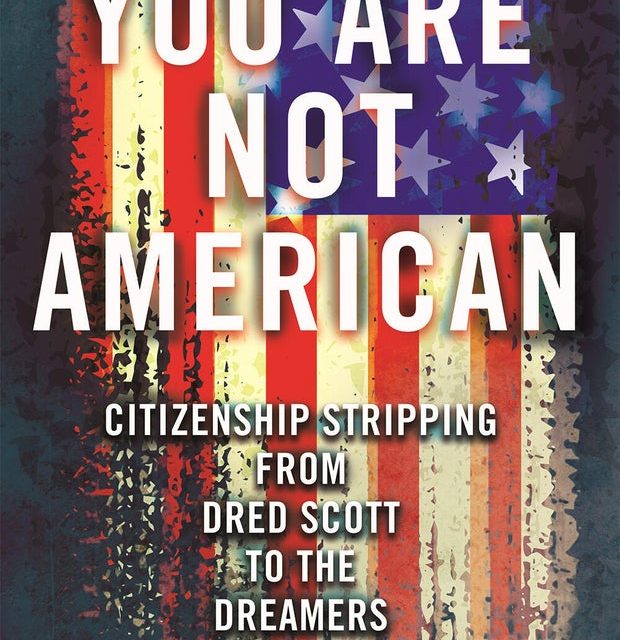
Birthright Citizenship in the United States
The 14th Amendment of the U.S. Constitution clearly states that all individuals born or naturalized in the United States are citizens. University of Virginia law professor Amanda Frost emphasizes that this rule applies universally, with exceptions for children of diplomats or invading armies. A Pew Research poll indicates that Americans are divided on granting citizenship to children of undocumented immigrants, with 50% in favor and 49% against.
Political and Legal Challenges
In January 2025, President Trump issued an executive order to limit birthright citizenship. This order was blocked in court and is currently under review by the Supreme Court. The Supreme Court has historically ruled on this issue, most notably in the Dred Scott v. Sandford decision, which denied citizenship to Black individuals. After the Civil War, the 14th Amendment was established to ensure citizenship for formerly enslaved people and immigrant children.
The Case of Wong Kim Ark
Wong Kim Ark, born in San Francisco to Chinese parents, faced legal barriers under the Chinese Exclusion Act. After being denied reentry to the U.S., Wong fought to assert his rights as an American citizen. The Supreme Court ruled in his favor, affirming the principle of birthright citizenship.
Debates and Divergent Views
Political scientist Rogers Smith argues that the clause in the 14th Amendment does not directly address the status of children born to unauthorized immigrants. Smith believes that Congress should play a bigger role in addressing citizenship laws rather than relying on court decisions. Although Smith’s work is cited by those opposing birthright citizenship, he disagrees with Trump’s policy efforts.
Global Perspectives on Birthright Citizenship
Most countries offering universal birthright citizenship are in the Americas. In recent years, many nations have moved away from this policy. Ireland, the last European country with such laws, voted to end birthright citizenship in 2005. Mariam Sobayo, born in Dublin after this change, faced challenges as she was not an Irish citizen despite her family’s status. Now an Irish citizen, Sobayo reflects on feeling rooted through language and citizenship.
The Importance of Birthright Citizenship
Professor Frost underlines the significance of birthright citizenship for America. She highlights its role in integrating immigrants and promoting equality. Despite opposing efforts to restrict this right, Frost views current discussions as an opportunity to reaffirm the fundamental values established by the U.S. Constitution.
For further information, readers can explore works by Amanda Frost, including ‘You Are Not American: Citizenship Stripping from Dred Scott to the Dreamers’ and resources from Rogers Smith.
 Democratic Socialist Angie Nixon Triumphs in Florida Primary
  Trump’s Approval Hits Record Low Amid Iran Conflict and Rising Gas Prices
  Controversial Census Bureau Report Linked to Trump-Aligned Think Tank
  San Diego County Ends Training for Federal Immigration Authorities at Local Firing Range
  Clemency by Trump Results in New Charges for Grantees
  Byron Donalds Wins GOP Nomination in Florida Governor’s Race