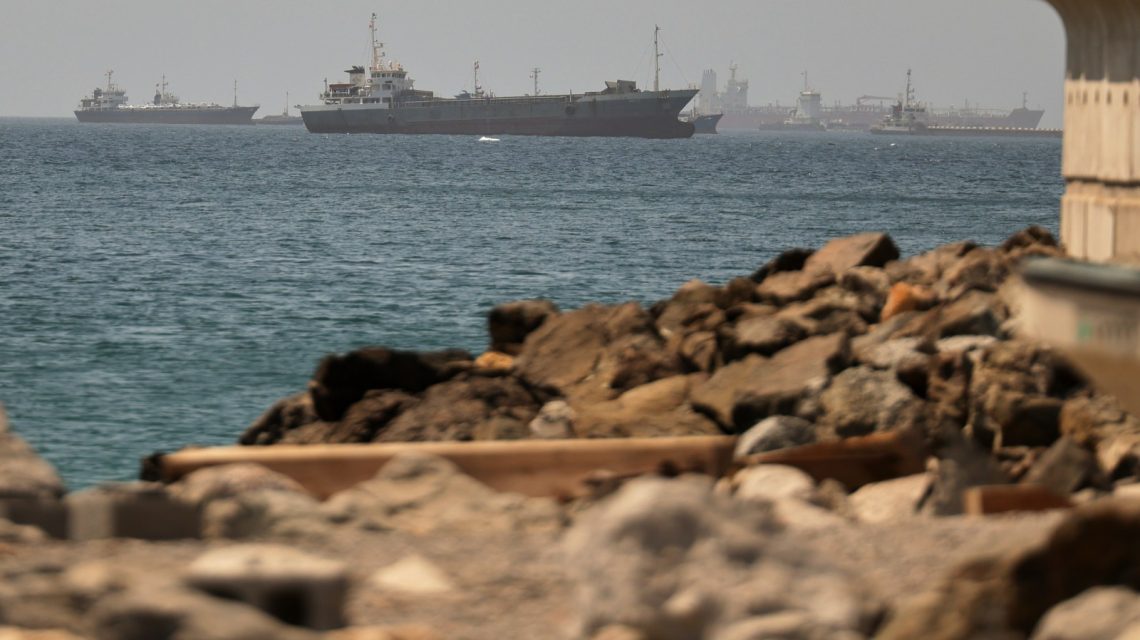
A fragile 60-day ceasefire between the United States and Iran has temporarily reopened the Strait of Hormuz. However, disputes over tolls, security, and authority have increased uncertainty about this critical oil passage.
The interim agreement was designed to stabilize global energy markets after months of conflict. It allows a 60-day period to negotiate a broader deal and halt hostilities. The U.S. agreed to lift its naval blockade of Iranian ports.
Conflicting Reports on Maritime Traffic
Over the weekend, conflicting reports emerged about the strait’s operational status. Open-source intelligence observed disruptions, with the tanker Starbound Explorer and the container ship MSC Qingdao displaying altered courses.
U.S. officials minimized these reports. Energy Secretary Chris Wright stated on Fox News that 67 ships passed through the strait on Saturday, and 55 on Friday. He said oil shipments were consistent with pre-conflict levels.
Vice President JD Vance supported these statements, emphasizing international enforcement kept the straits open.
Unresolved Ceasefire Terms
The memorandum of understanding (MOU) permits free passage of commercial vessels during the ceasefire. Iran, Oman, and Gulf states need to negotiate future administration and services for the strait.
The MOU leaves unresolved issues such as which forces will enforce security, the legal status of transit fees after the ceasefire, and handling maritime disputes among Washington, Tehran, and regional players. This has led to differing interpretations of authority.
Trump Warns of U.S. Intervention
President Donald Trump praised the deal but suggested the U.S. might impose a 20 percent transit fee after the 60-day period. In posts on Truth Social, he emphasized the U.S.’s role and warned of consequences if Iran closes the strait again.
Trump stated, “You close it and you won’t have a country.” He suggested possible U.S. takeover of the strait if no deal is reached.
Iran Asserts Control
Iran claims the Strait of Hormuz is under its sovereign control. A message from the Iranian military on Tasnim’s Telegram account threatened to close the strait to vessel traffic.
Iranian authorities maintain control with “full authority.” They could restrict access if the U.S. or allies violate the ceasefire or if regional conflicts, like Israel and Hezbollah’s war in Lebanon, escalate.
Impact on Global Markets
Tensions over the strait continue to unsettle global energy markets. The Strait of Hormuz is vital for oil, carrying about a fifth of global petroleum and substantial liquefied natural gas.
Past conflict phases saw reduced traffic and threats of closure raise crude prices and strain supply chains. Energy stocks often rise with supply concerns, while broader markets may falter due to potential economic slowdowns from higher energy costs.
The 60-day agreement gives temporary relief to shipping and commodities, but analysts warn underlying disputes remain. Washington and Tehran’s opposing visions keep the strait a volatile economic flashpoint.
 Alan Ritchson Faces Backlash Over Political Remarks
  Himalayan Pilgrimage: A Couple’s Narrow Escape and Lingering Questions
  Former CEO Sentenced for Bank Fraud and Sanctions Evasion
  Russia’s Potential Incursion Into Estonia: NATO’s Resilience Under Scrutiny
  Senators Urge Action to Free Imprisoned Journalist in Iran
  Trump’s Address at UNGA and Key Political Developments