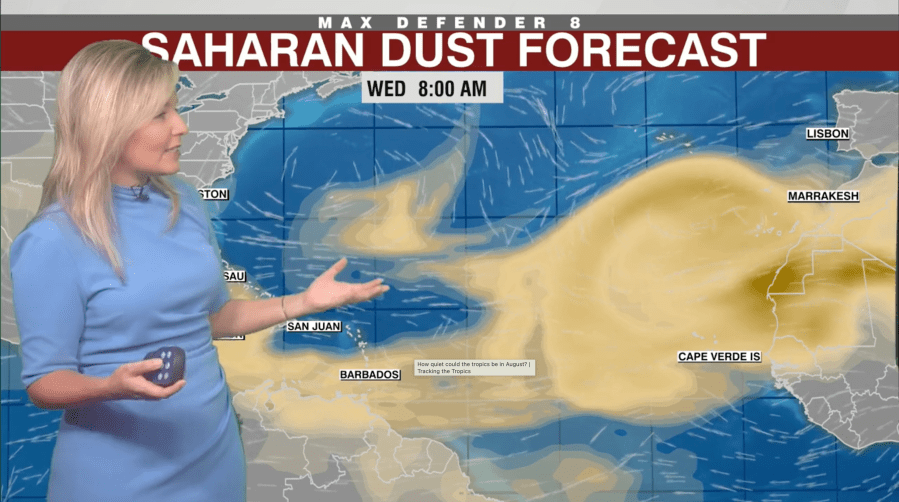
The weather in the southern U.S. is currently influenced by a dust layer that has traveled thousands of miles from the Sahara Desert in Africa. This phenomenon, known as the Saharan Air Layer or Saharan dust, comprises a 2.5-mile thick layer residing approximately a mile above ground level. Jason Dunion, a meteorologist from the University of Miami affiliated with NOAA’s Hurricane Research Division, explains the mechanics of this weather feature.
According to Dunion, massive dust clouds form every three to five days during the summertime as they travel from Africa across the Atlantic Ocean. They cover an area equivalent to the size of the contiguous United States. The peak of the Saharan dust season occurs between mid-June and mid-August, significantly impacting weather patterns in the U.S. during this time.
One of the most notable effects of this dust is its ability to hinder the formation of thunderstorms and hurricanes. Dunion states that the layer’s warm, dry air disrupts atmospheric convection, making it difficult for storm systems to develop. This resistance to storm formation is one of the reasons for a relatively calm start to the Atlantic hurricane season.
Meteorologist Rebecca Barry from Nexstar’s WFLA remarked on a recent extensive plume of Saharan dust. She described its unusual presence late in the season, similar in size to those typically seen in late May or June. Such healthy dust plumes have been noted to suppress the development of tropical depressions and potential hurricanes.
The absence of frequent thunderstorms due to the dust incurs higher temperatures in the southern U.S. With fewer cooling summer storms, heat indexes in the South have reached as high as 110°F. KXAN meteorologist Freddy Vela reported that the dust extends its influence further west, reaching as far as Texas and Arizona.
Aside from weather impacts, the Saharan dust contributes to strikingly vivid sunrises and sunsets. As the dust moves over Florida, it scatters sunlight, creating a distinctive orange glow during dawn and dusk. Dunion expresses amazement at the dust’s ability to affect the atmosphere visually after traversing over 3,000 miles across the Atlantic.
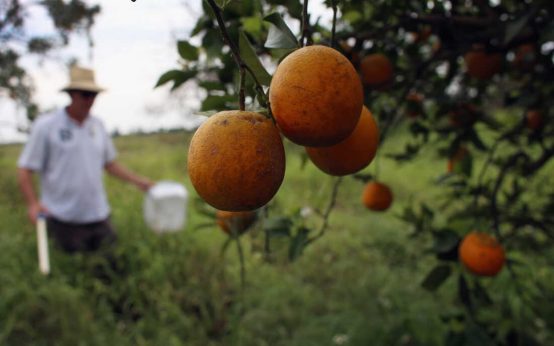 Florida Citrus Growers Use Gene-Editing to Combat Citrus Greening
 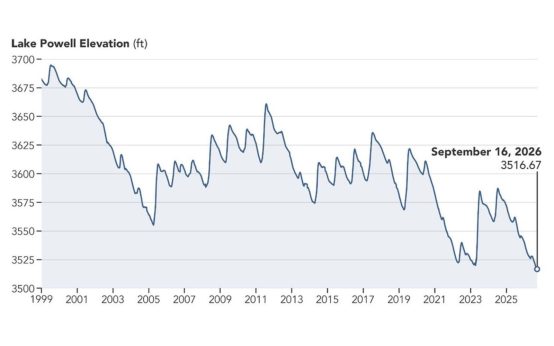 Satellite Images Reveal Lake Powell’s Dramatic Decline Over Nine Years
 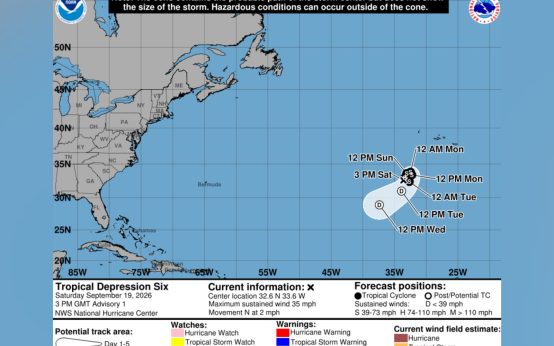 Tropical Depression Six Forms in the Atlantic Amid Quiet Hurricane Season
  Fat Bear Week: Celebrating Resilient Giants and Ecosystem Conservation
  Concerns Surface Over SpaceX Facility in Louisiana
 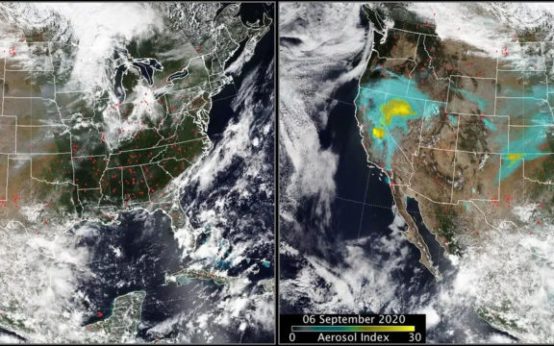 Understanding Pyrocumulonimbus Clouds Through NASA’s INSPYRE Mission