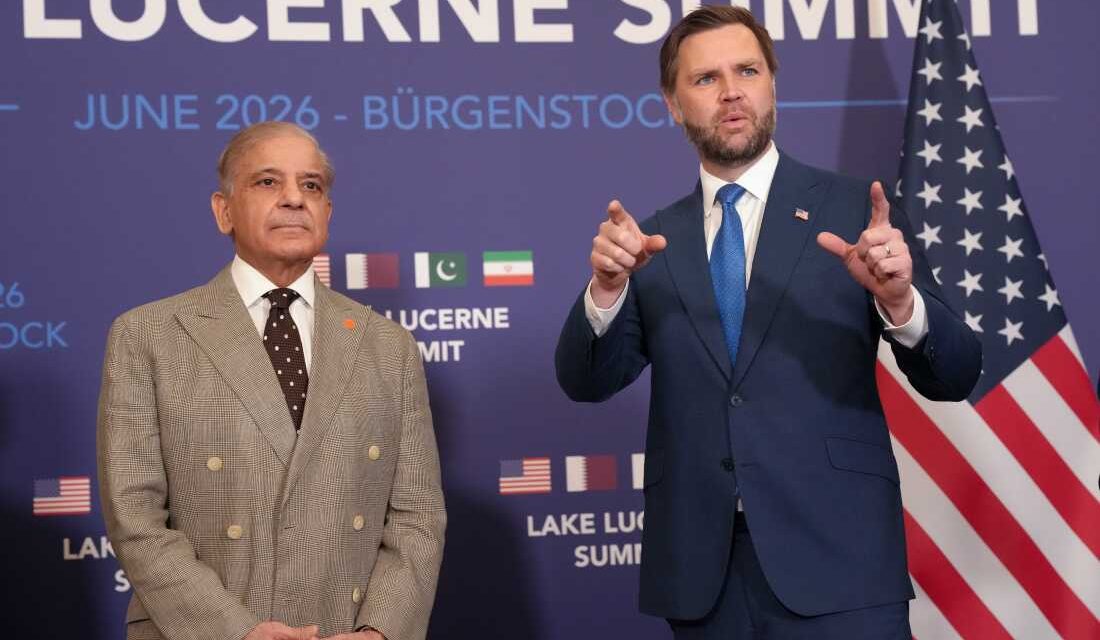
Vice President JD Vance engaged in high-level discussions with Pakistan’s Prime Minister Shehbaz Sharif at the Bürgenstock Resort in Switzerland. The talks aim to advance a deal to end ongoing conflicts in the Middle East.
President Trump issued a warning towards Iran, signaling potential further attacks. He insisted that Iran halt its activities in Lebanon. “Iran must immediately stop their highly paid PROXIES in Lebanon from causing trouble,” Trump posted on social media.
In response, Iran shut down the Strait of Hormuz, reacting to Israeli attacks on Hezbollah in Lebanon. Iran accused the U.S. of failing to control Israel, breaching a recent agreement to cease hostilities in Lebanon.
Vance’s mission in Switzerland includes meetings with key figures like Pakistan’s Staff Field Marshal Asim Munir. Iranian officials, Qatar mediators, and IAEA chief Rafael Grossi are also participating, focusing on a fragile Memorandum of Understanding signed last week.
The discussions include Iran’s nuclear program, with Iranian President Masoud Pezeshkian stating their commitment to uranium enrichment. The U.S. insists on addressing nuclear concerns, while Iran maintains its program is peaceful.
Despite a declared ceasefire, conflict erupted again over the weekend. Israeli forces and Hezbollah exchanged fire, complicating diplomacy.
Vance expressed optimism, stating, “We’ve already made great progress over just the last few hours.” He acknowledged the challenges but emphasized continued efforts: “There’s still some additional wood to chop, but we’re going to keep on working.”
The Vice President underscored the U.S. commitment to halting the Lebanese conflict, claiming significant progress. At least 16 individuals, including civilians, died from Israeli strikes over the weekend. Israel cited retaliatory motives, responding to Hezbollah’s actions.
An official from the United Nations Interim Force reported a lull in conflict, marking a potential turning point since March. Neither Israel nor Lebanon have signed the agreement, which calls for respecting Lebanese sovereignty and ceasing military activities.
The Memorandum of Understanding aims to stabilize the region, demanding international enforcement, particularly by the U.S. NPR’s Jane Arraf contributed insights to this report.
 Trump Delivers Warning to Iran, Cuba at UN General Assembly
  Trump Delivers Stern UN Speech on Iran, AI, and Global Security
 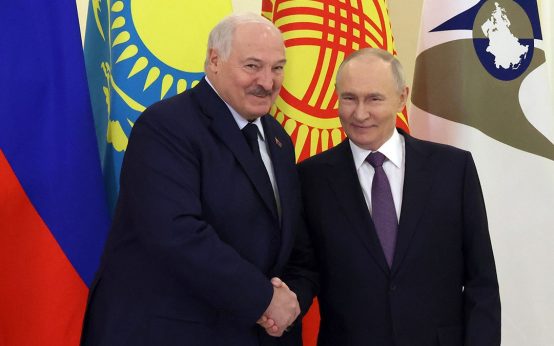 Lukashenko and Putin’s Unique Relationship and Belarus’ Strategic Role
 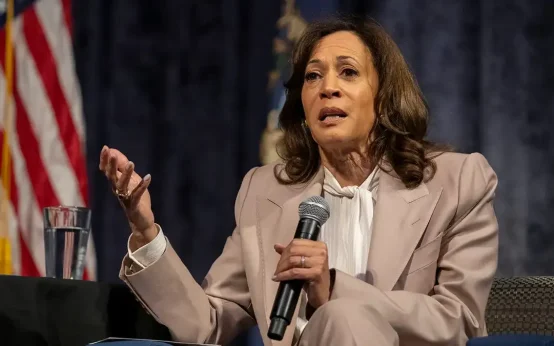 Harris Discusses Potential 2028 Presidential Run
  Far-Left Groups Allegedly Organize Protests in Austin
 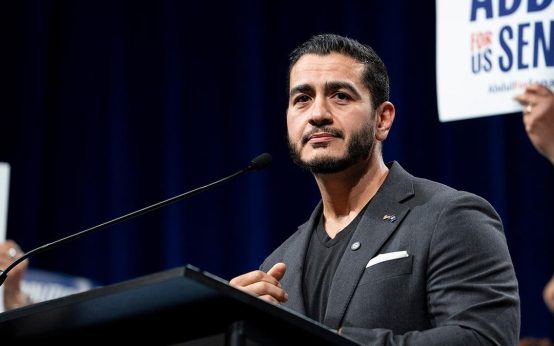 Michigan Senate Nominee Abdul El-Sayed Criticized for Remarks on Reproductive Rights