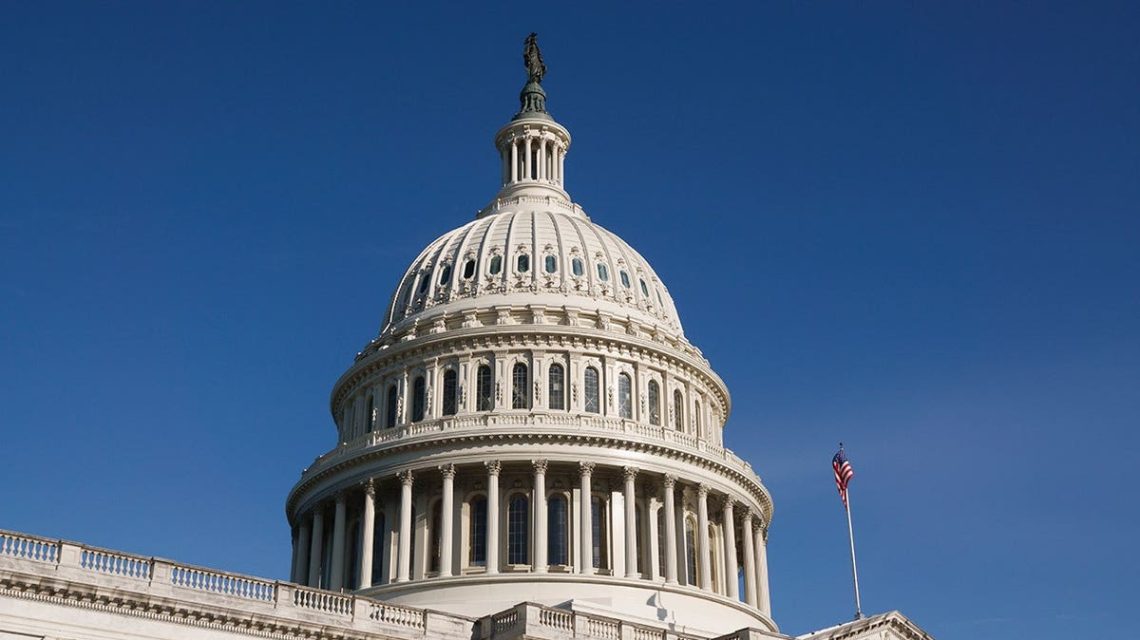
The Senate is set to debate a bipartisan bill aimed at transforming the landscape of college sports. Lawmakers intend to establish national standards for Name, Image, and Likeness (NIL) earnings and address transfer issues.
Senators Ted Cruz, Maria Cantwell, Tammy Baldwin, and Cory Booker highlight the need for federal involvement due to perceived failures of the NCAA. The Senate debates how NIL deals, athlete compensation packages, and school transfers should be managed.
Senate Commerce Committee Chairman Ted Cruz, R-Texas, emphasizes urgency, saying, “College sports is in crisis.” Senator John Hickenlooper, D-Colo., also acknowledges the need for rapid action.
A bipartisan bill proposing national NIL standards and limitations on athlete transfers has passed the Commerce Committee and awaits a full Senate debate.
Senator Maria Cantwell, D-Wash., explains that the proposed framework aims to provide certainty and predictability. Lawmakers fear major programs could outspend smaller schools without action, potentially affecting future NFL stars.
“I’m worried that we’ll never see a Josh Allen again at the University of Wyoming,” noted Sen. Cynthia Lummis, R-Wyo.
The bill restricts athletes to one transfer between schools within five years without penalty. Former Alabama coach Nick Saban expressed concerns about the rising number of players entering the transfer portal each year.
Advocates believe the legislation will stabilize college sports and protect student-athletes. Cantwell stresses the importance of shielding students from exploitative contracts.
Opposing the bill, Sen. Booker cites the NCAA’s longstanding failures. Former Division I football coach, Sen. Tommy Tuberville, R-Ala., echoes these concerns, suggesting federal involvement could worsen the situation.
Yet, Tuberville concedes the urgency, signaling that college sports face severe challenges. Cruz insists that inaction is not an option.
Critics, like former GOP aide Matt Mackowiak, warn that congressional intervention could complicate matters further and undermine NCAA authority.
Concerns arise about the bill potentially impacting sports broadcasting, with fears of increasing paywalls and blackouts for fans.
“Then the fans get hurt because all the content is behind a paywall,” said Sen. Amy Klobuchar, D-Minn.
Two previous House efforts failed to regulate college sports due to insufficient support, leaving the Senate to tackle the issue.
Megan Sorsby’s scenario illustrates concerns around big money in college sports potentially leading to unfair advantages.
With pressing national issues like FISA Section 702 and defense funding on the Senate’s agenda, priorities could overshadow the sports bill.
Cruz and Tuberville view the state of college sports as critical, fearing that powerhouse conferences might dominate further, exacerbating current problems.
 House Races Shift Amid Democratic Momentum
 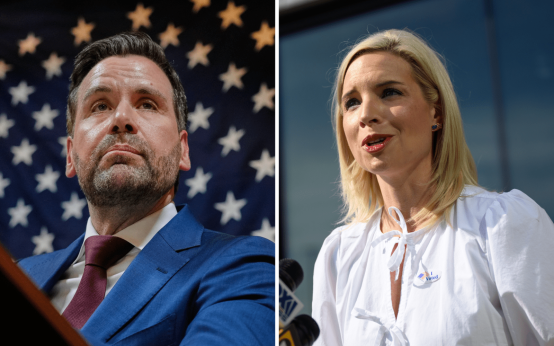 Iowa Senate Race: Marist Poll Shows Democrat Josh Turek Leading Republican Ashley Hinson
 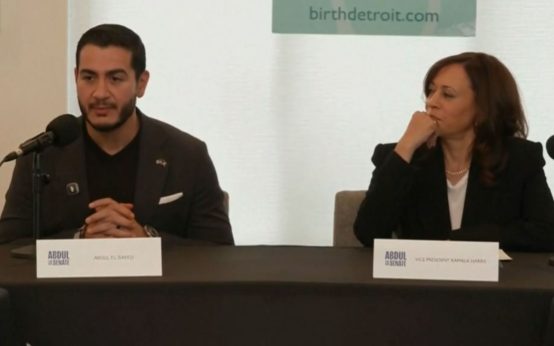 Kamala Harris and Abdul El-Sayed Campaign Together in Detroit
  Ronald Acuna Jr. Suffers Injury During Game Against Cincinnati Reds
  Joe Burrow’s Unexpected Post-Game Recovery
  Rangers Place Players on Waivers Ahead of Season Opener