Background on the H-1B Visa Fee Dispute
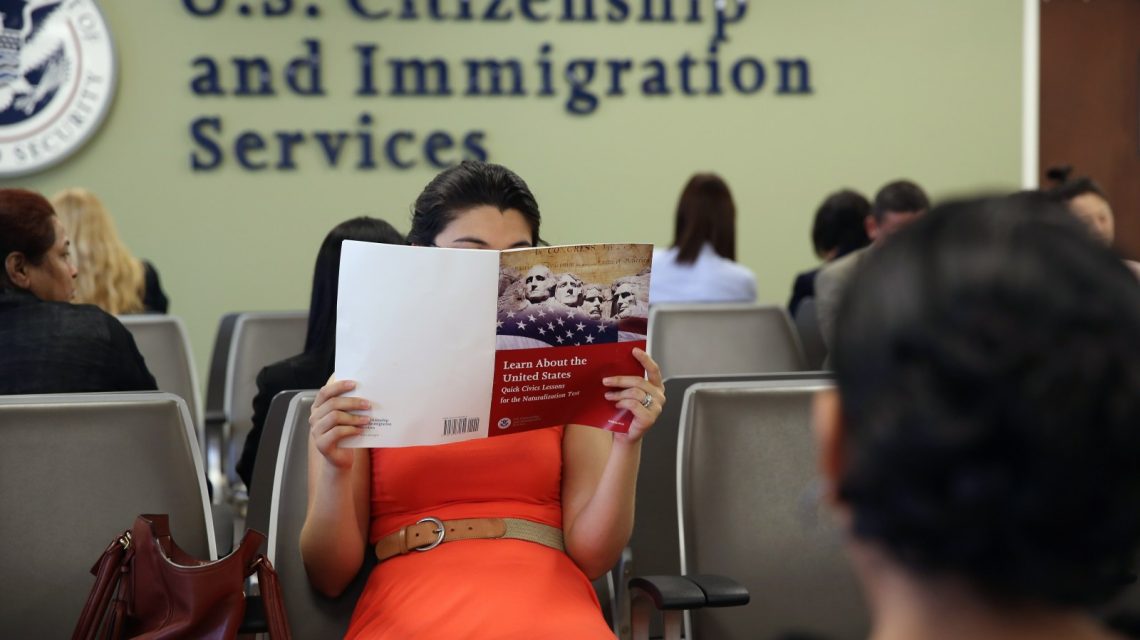
The Trump administration has presented its case to a federal appeals court, asserting that a mandatory $100,000 fee linked to certain H-1B visas is a legitimate immigration restriction. This move aims to overturn an earlier court decision that barred the policy. The administration has argued in the US Court of Appeals for the First Circuit that this fee aligns with the president’s broad immigration authority, a stance challenged by a district judge who found the measure overreaching by functioning as an unauthorized tax.
President Donald Trump’s directive requires specific employers seeking new H-1B visas to pay this fee as part of the entry conditions for foreign workers. This policy arose from concerns about alleged abuses of the visa program. The administration has further contended that the policy is necessary to address national security threats, cautioning against the increased entry of foreign workers and its potential impact on U.S. interests.
Why the Issue is Significant
Critics of the H-1B program have long argued that it displaces U.S. workers or depresses wages. Supporters believe it assists employers in filling specialized roles in essential industries like healthcare and engineering. In defending the proclamation, the administration cited concerns about the program’s supposed displacement of American workers and negative wage effects.
Understanding the H-1B Visa Program
The H-1B visa program allows U.S. employers to hire foreign workers temporarily in specialty occupations. Federal law limits new visas to 65,000 annually, with an additional 20,000 available for those holding advanced U.S. degrees. The policy mandated the Departments of Homeland Security and State to reject H-1B petitions not accompanied by the payment, verifying it before issuing visas, as per the government’s filing.
A group of states opposed the policy, claiming it exceeded presidential authority and effectively imposed an unauthorized tax. A federal district court in Massachusetts agreed, ruling the payment functioned as an illegitimate tax and voiding it. U.S. District Judge Leo Sorokin stated in his 42-page decision that the president lacked the power to impose a tax on H-1B petitions. The administration has appealed and is seeking to pause this ruling.
Appeal and Legal Arguments
In the legal appeal, the government claimed the district court misconstrued the payment as a tax, asserting instead it is a valid immigration-related fee or restriction. “Every day that passes more aliens can petition and enter the country despite the President’s determination that their entry would be detrimental,” the administration’s attorneys stated in court filings reviewed by Newsweek. They argued that revoking visas and removing non-paying foreign workers would be challenging if the administration wins the appeal.
Justice Department lawyers referenced the Immigration and Nationality Act, which allows the president to place any restrictions deemed appropriate on alien entry, suggesting this includes the one-time fee. They emphasized that the fee was not intended to raise revenue but to regulate immigration by discouraging reliance on foreign labor and promoting U.S. employment.
The court determined the payment to be a tax, making the policy illegal under the Administrative Procedure Act, as it surpassed statutory authority and sidestepped required rulemaking procedures.
Future Implications
The First Circuit will soon decide whether the $100,000 fee is a legitimate immigration restriction or an unlawful tax imposed without congressional consent. This decision will have implications for presidential authority concerning employment-based visa programs.
 Florida Governor Race: Byron Donalds Adjusts Campaign Approach
  Trump Meets Zelensky and Plans for U.S.-China Relations
  Tight Senate Race in Maine as Susan Collins Faces Criticism
 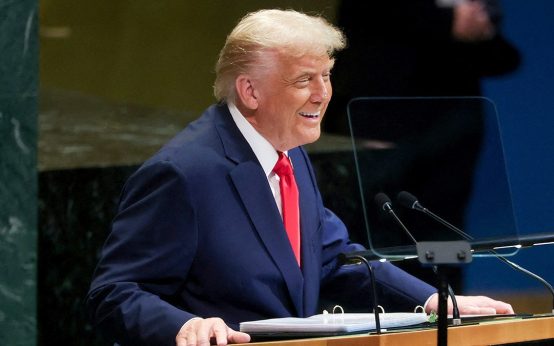 Trump’s Vision on Iran, AI, and Global Security at the UN
  Noncitizens Charged with Voter Fraud in the U.S.
  Penn State Fraternity Members Charged in Cocaine Ring Bust