
Prime Minister Keir Starmer of Britain announced his resignation, acknowledging internal dissension within his party and challenges to his leadership. He will continue as prime minister until a new party leader is chosen by September, ending his tenure nearly two years after he won the position.
Reasons for Resignation
Starmer cited the opinion within his party as a reason for his decision, stating, “The question my party is asking now is whether I am best placed to lead us into the next general election.” His announcement came after feedback from his parliamentary colleagues indicated a preference for new leadership.
Starmer pledged to ensure a smooth transition of power and expressed his willingness to support his successor. His tenure began in 2024 when Labour secured a significant parliamentary majority, ending 14 years of Conservative Party rule, yet their victory was marked by a low vote share of 34 percent.
Achievements and Challenges
Starmer defended his record, highlighting improvements in the economy, healthcare investment, increased military spending, and reductions in illegal immigration. However, his leadership struggled with dwindling support due to political setbacks and perceived weaknesses.
Political adversaries exploited his habit of reversing policies, undermining his support among voters. Controversy also arose from his appointment of Peter Mandelson as ambassador to the U.S., due to Mandelson’s ties to Jeffrey Epstein.
Potential Successor
Andy Burnham, former mayor of Greater Manchester, emerged as a likely candidate to replace Starmer. Burnham gained momentum following a strong electoral victory in the Makerfield district, obtaining nearly 55 percent of the vote.
Political Reactions and Future Prospects
Nigel Farage of Reform U.K. has called for a general election. “Reform demands an election, and we are ready to deliver radical change,” he stated on social media.
Maryam Eslamdoust, leader of the rail and transport union, welcomed Starmer’s resignation, viewing it as a chance for Labour to adopt necessary policies. Financial markets remained stable following his resignation announcement.
Starmer’s resignation coincides with the looming 10-year anniversary of Brexit, a decision that has since contributed to political upheaval and frequent leadership changes.
The Path Forward
The Labour Party now faces the task of selecting a new leader. The process will begin on July 9, with a new leader expected by September. Burnham is considered the front-runner, although internal party dynamics may lead to a contested leadership race.
Starmer’s departure adds to a pattern of political transitions in post-Brexit Britain. Despite his noted accomplishments, political realities and internal party dynamics ultimately prompted his decision to step down.
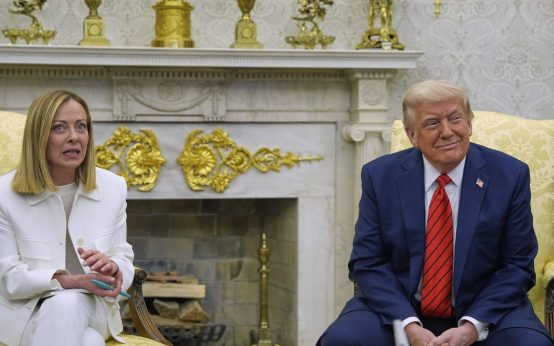 Italian PM Giorgia Meloni Skips UN General Assembly Amid Growing Tensions
  Calls Grow for Ireland’s Soccer Team to Boycott Matches Against Israel
 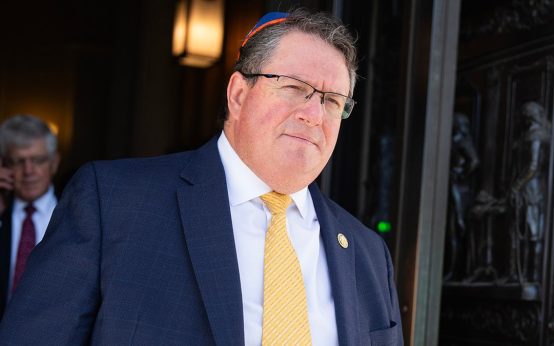 Congressman Randy Fine’s Bold Political Stance and Views on AI Regulation
 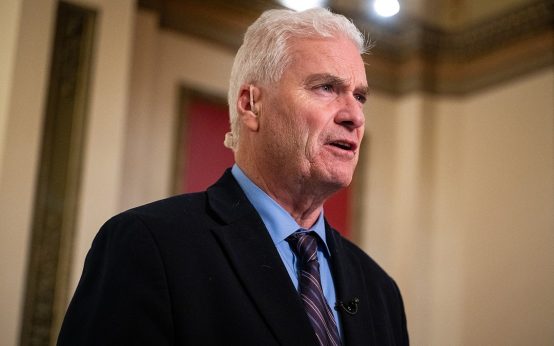 Political Messaging and Strategy Leading Up to Midterms
  President Trump Proposes ‘Super Intelligence’ as New AI Term
  Trump Administration Considers Diesel Export Ban Amid Rising Prices