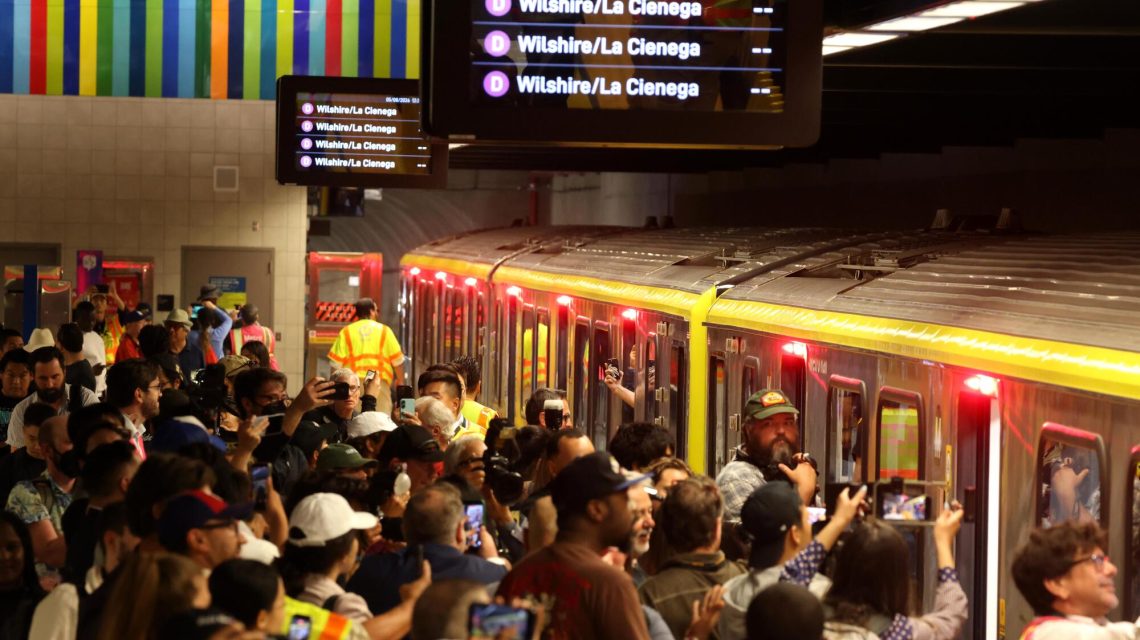
The extension of the Metro D Line in Los Angeles now includes three new stations: Wilshire/La Brea, Wilshire/Fairfax, and Wilshire/La Cienega. This extension is a significant development for the city, expanding public transportation beyond Wilshire/Western after decades of delays.
This progress in the city’s transit infrastructure has fostered a sense of increased connectivity. While the expansion hasn’t completely transformed Los Angeles, it has certainly contributed to loosening the city’s constraints. The new subway stations are cohesive in design, showcasing a seamless blend of art, architecture, and infrastructure. The thoughtful incorporation of public art exemplifies Metro’s commitment to creating a special experience for passengers.
A hallmark of these stations is the integration of art into the architecture. Patterns and lighting don’t simply adorn surfaces but contribute significantly to the station’s aesthetic and functional appeal. This approach is supported by the L.A. Metro Art program, an initiative that has installed over 200 artworks across Metro’s network, cementing its role as a successful public art entity.
New stations have prioritized functionality and aesthetic consistency, resulting in well-lit spaces with effective navigation systems. Yet, the areas above ground tell a different story. Station plazas, despite attractive architecture, lack sufficient shade and inviting space for community interaction. This deficiency reflects apprehensions about confronting urban challenges like encampments and maintenance woes. These areas should encourage people to linger and engage, but currently fall short.
The train service itself faces challenges. Wait times exceeding ten minutes can deter potential riders, and the absence of nearby parking options complicates access for those not living near stations. Additionally, bike share docks restrict convenience by requiring users to locate docking stations at their destination.
Despite these challenges, the extension marks a triumph for public transit, serving densely populated areas and making popular destinations more accessible. It suggests a vision of Los Angeles that better connects neighborhoods and cultural spots. More coordination is needed to transform these transit stops into thriving community spaces above ground.
Ultimately, the new subway stations represent progress for Los Angeles, offering enhanced infrastructure underground. Yet, for true integration, the city needs a broader collaboration that marries infrastructure with vibrant public spaces.
 Bipartisan Senators Reach Permitting Reform Deal
  Experts Warn of Critical Threshold for Colorado River
 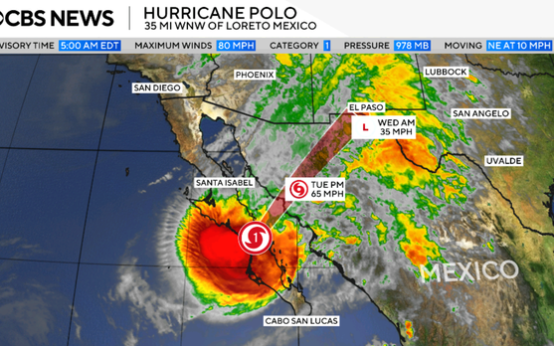 Hurricane Polo Poses Flood Threat as It Approaches Southwestern U.S.
  Hawaii Faces Intense Hurricane Season Amidst Record El Niño
  Preserving the Legacy of the American Red Wolf with ‘Ghost Genes’
  Marine Markers and Military Ordnance Discovered on California Beaches