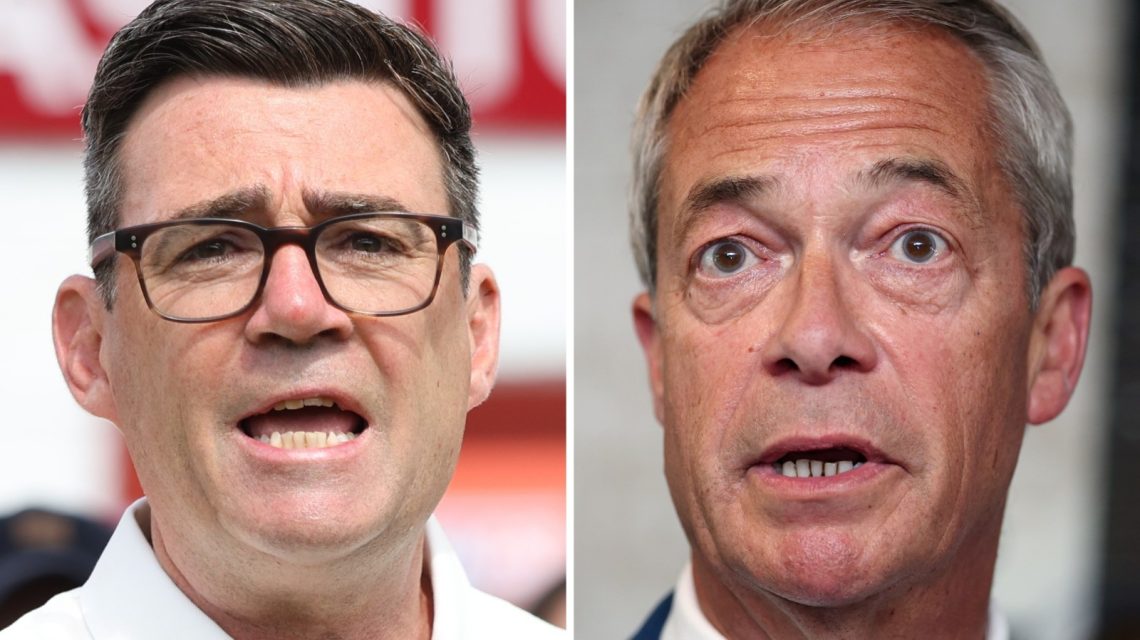
Keir Starmer’s imminent resignation marks a turning point in Britain’s political crisis, igniting a fierce succession battle within the Labour Party. Starmer will resign as party leader while remaining in Downing Street temporarily until a new leader is chosen. Britain’s prime minister isn’t directly elected, so no automatic general election will occur; the Labour Party’s substantial Commons majority allows the next leader to step in without an immediate electoral mandate.
However, underlying instability persists. The next prime minister will assume leadership in a party facing challenges from Reform UK, grappling with limited fiscal options, and navigating a foreign-policy landscape influenced by Europe, Trump’s Washington, and Britain’s defense commitments. Labour’s governance capability remains intact, yet it no longer seems to command the nation. Nigel Farage’s Reform Party leads in national polls and has made significant gains in local government arenas. The Conservative Party vies with Reform for right-wing voters, while the Liberal Democrats and Greens attract anti-Conservative, pro-European, and younger demographics away from Labour.
Potential Successor to Keir Starmer
The leading candidate to replace Starmer is Andy Burnham, the mayor of Greater Manchester and a former Cabinet minister with a reputation as a credible alternative. Known for his emotional fluency, Burnham connects with northern England’s populace and articulates issues of class, public services, and patriotism more effectively than Starmer. Nevertheless, Burnham or any successor would face formidable challenges due to external pressures.
Farage has already influenced debates on migration, net zero, crime, and Brexit. Michel Barnier, the EU’s former Brexit negotiator, has reopened discussions on potentially closer UK-Europe ties, speculating that a returning UK might retain certain opt-outs. Trump’s Washington is focused less on Labour’s internal affairs and more on whether Britain remains committed to NATO, Ukraine, AUKUS, intelligence sharing, and defense expenditure.
Starmer’s Departure: Unpacking Broader Implications
Starmer’s resignation isn’t merely one leader’s defeat; it raises critical questions: Can Labour maintain its appeal among both metropolitan progressives and working-class Brexit supporters? Can Britain rebuild its economic relationship with Europe without rekindling Brexit tensions? And can the country sustain its high-ranking ally status with the US when facing pressure on military commitments and economic capacity?
Plausible Political Scenarios
The following scenarios are inferred from current polling, parliamentary dynamics, and economic pressures, rather than precise forecasts:
1. Reform Government Scenario
Likelihood: Low
A Reform-led government within a year is conceivable if an early general election occurs, Reform translates its lead into seats, and secures either a majority or adequate backing from Conservatives and others to govern. Projections indicate Reform being the largest but not the majority party. A potential minority Reform government would likely involve alliances like confidence-and-supply deals with Conservatives or a broader right-wing coalition where Conservatives play a secondary role.
Should Reform assume power, swift changes would unfold. EU relations might stagnate or regress, youth mobility could become contentious, and regulatory alignment with Brussels might be perceived as a Brexit betrayal. Key topics like immigration, asylum policies, the ECHR, net zero, North Sea oil, and public-sector reforms would dominate the agenda. Relations with Washington could cool politically but remain rhetorically warm if Trump returns to power.
2. Snap Election with Reform-Led Hung Parliament
Likelihood: Low to Moderate
A snap election fueled by political turmoil could result in a hung parliament with Reform as the largest party. This scenario could emerge if Burnham seeks a mandate or Labour faces severe fractures, compelling an election despite a vast Commons majority. With current polling, Reform could emerge as the largest party. A fragmented electorate might propel Reform to significant seat gains, although tactical voting against Reform could potentially cost them seats.
In this context, Reform is formidable enough to challenge Labour in established territories, evidenced by electoral patterns in places like Makerfield. For Labour, a snap election wouldn’t be strategically rational unless substantial momentum follows Burnham’s lead.
3. Economic Pressures Hamper Burnham
Likelihood: Moderate
Economic factors might undermine Burnham’s administration without parliamentary influence. Notable indicators include persistent CPI inflation at 2.8 percent and rising services inflation. The Bank of England’s rate-determination reflects ongoing inflationary concerns. Public finances present substantial risk, with borrowing exceeding forecasts and debt interest reaching historic highs. Public-sector financial constraints challenge any populist initiatives by Burnham, prompting scrutiny on fiscal policy adherence.
Defense commitments highlight particular strains amidst fiscal challenges, with NATO allies pledging significant GDP allocations towards defense and security. The UK’s commitments include substantial investments in military capabilities and nuclear programs. Washington may question Britain’s ability to fund promised initiatives in light of economic tensions.
4. Burnham Prevails—Yet Reform Influences Policy Direction
Likelihood: High
Burnham ascends to prime ministership without governmental collapse, yet Reform dominates the political discourse. Reform’s success in local elections yields significant councilor gains across the country, contrasting Labour’s losses. Immigration concerns persist as a vulnerable issue for Labour.
Labour faces pressure to adapt its stance on asylum, EU deals, and border control, aligning with Reform’s agenda on immigration and sovereignty. Reform capitalizes on issues like energy costs, crime, and perceived political betrayals. While an EU reset remains possible, the process could be cautious amidst migration concerns. Barnier’s comments suggest rejoining the EU remains unlikely without addressing free movement challenges.
5. Burnham Maintains Leadership—Labour Stabilizes but Transformation Lags
Likelihood: Highest
Burnham takes office, avoiding immediate electoral escapades, altering governmental tone, and buys Labour time. Makerfield’s recent election win suggests Burnham’s potential to lead a more stabilized Labour, despite Reform’s threats. Burnham enjoys higher personal favorability compared to Starmer, positioning him to regain some voter bases.
Economic growth appears modest, with limited projections. Trade relations with the US remain significant, though changes in policy emphasis may occur under Burnham. The UK’s relationship with the EU may advance through practical agreements, yet rejoining seems improbable.
Burnham’s Leadership: Success or Setback?
Burnham might succeed by halting Labour’s decline, reclaiming voter bases from other parties, and govern without economic upheaval. Despite challenges, an outright collapse isn’t expected given Labour’s parliamentary majority.
Voters might hear claims of economic growth while feeling economically constrained due to elevated inflation, debt interest, and restrained public services.
Forecast for Britain’s Political Climate in 12 Months
In mid-2027, Britain likely features Burnham leading from Downing Street, no general election, and maintaining relations with both the EU and the US. Labour’s parliamentary strength contrasts with Reform’s electoral momentum, while other parties struggle for relevance amid economic pressures.
Starmer’s resignation signifies a shift towards potential realities of a Reform government. In a polarized political context, the notion of centrism stands as more challenging but ripe with ideologically diverse discourse. As a Newsweek Member, you support journalism that aims to sustain a bold and dynamic center. Members benefit from exclusive content, discussions, and a vibrant platform. Join today to bolster these journalist efforts.
 President Trump Proposes ‘Super Intelligence’ as New AI Term
  Trump Administration Considers Diesel Export Ban Amid Rising Prices
  Texas Senate Race Tightens with Shifting Youth Support
  Flight 93 Hero’s Father Criticizes Ties Between Hasan Piker and Abdul El-Sayed
  Feds Intensify Efforts Against Voter Fraud Pre-Midterms
  House Races Shift Amid Democratic Momentum