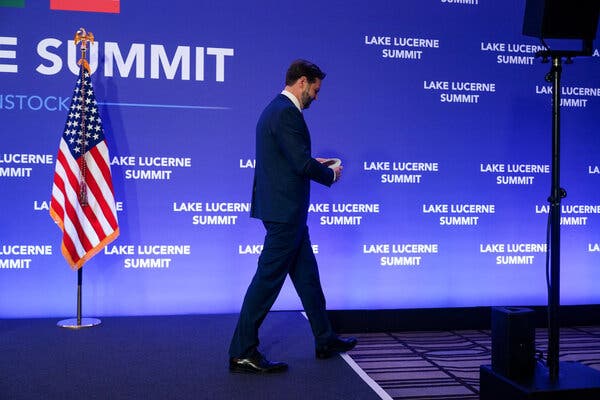
The Trump administration has temporarily lifted oil sanctions against Iran, marking a significant shift in U.S. policy. This change allows Iran to sell oil without discounts, potentially boosting its economy. The decision follows “ongoing productive” discussions held in Switzerland, as stated by Treasury Secretary Scott Bessent. The 60-day exemption permits the purchase of Iranian oil in U.S. dollars, increasing Iran’s access to American currency.
Vice President JD Vance, leading the U.S. negotiating team, announced Tehran’s agreement to U.N. inspectors visiting Iran’s nuclear sites. Vance described this as a pivotal step toward ending Iran’s nuclear weapons program. President Trump emphasized this progress, asserting that Iran will allow major weapons inspections to uphold ‘Nuclear Honesty’ in the future.
However, it remains uncertain if inspectors will indeed travel to Iran. The International Atomic Energy Agency has not yet commented on Trump’s and Vance’s statements. Moreover, Esmail Baghaei, the Iranian foreign ministry spokesman, stated that Iran has not made new commitments regarding inspections, indicating such activities will follow existing protocols.
At a Bürgenstock news conference, Vance outlined new communication channels aimed at easing tensions in the Strait of Hormuz and Lebanon. These initiatives intend to stabilize the region amidst the fragile cease-fire between the U.S. and Iran.
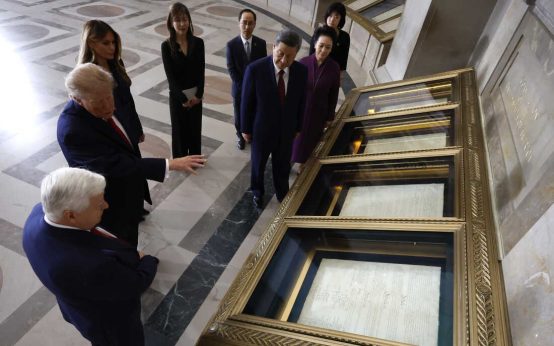 Sensitive Discussions During Trump’s National Archives Visit with Xi Jinping
 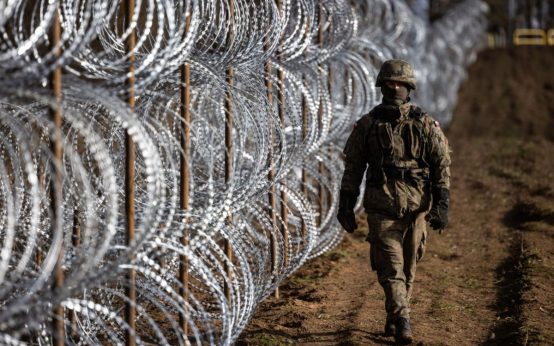 Escalating Tensions Between Russia and the UK
 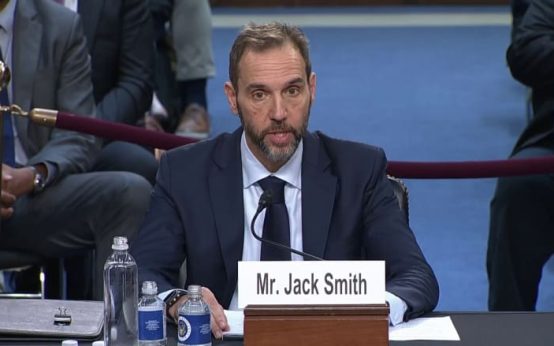 Key Events in Politics and Technology: U.S. and U.K. Developments
 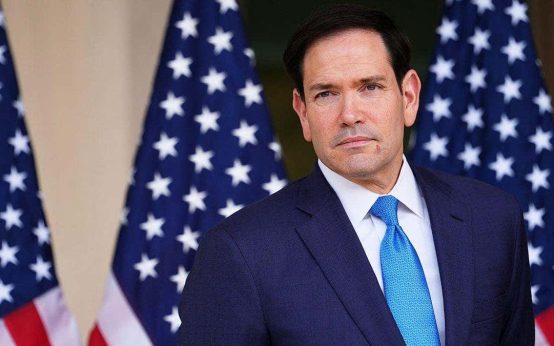 Secretary of State Rubio Comments on Recent UK Terror Threat
  New Developments in Ayotzinapa Case: 17 New Suspects Identified
 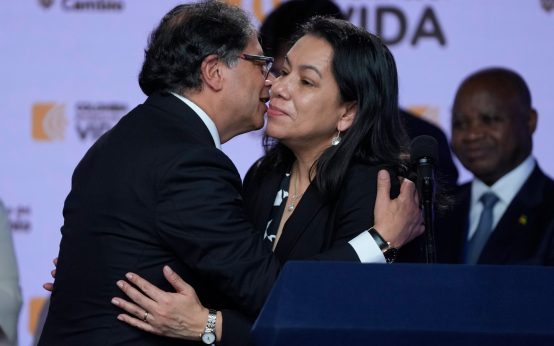 Concerns Arise Over Rodrigues-Birkett in Race for UN Secretary-General