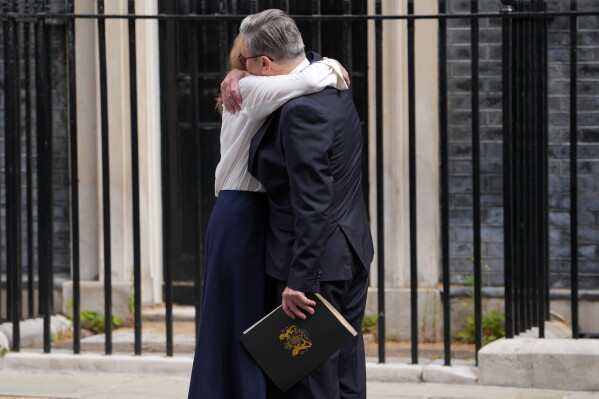
British Prime Minister Keir Starmer announced that he is stepping down as leader of the Labour Party after acknowledging losing support from party members in Parliament. Starmer’s departure will occur once a successor is chosen, potentially by mid-July. Andy Burnham, the former mayor of Greater Manchester, confirmed his candidacy to replace Starmer. Burnham’s recent victory in the Makerfield by-election positions him as a leading contender.
Burnham’s success in Makerfield, where he increased Labour’s vote share to nearly 55%, demonstrates his appeal across the political spectrum. This performance suggests that a similar outcome in a national election could keep Labour in power, despite recent unfavorable polls and losses in local elections.
Following Starmer’s press conference at 10 Downing Street, he did not mention Burnham by name but accepted that he was not the right person to lead Labour into future elections. Although the next general election isn’t required until 2029, political processes in Britain allow for a change in leadership without a scheduled election.
Burnham returned to London to become a member of Parliament after ten years as mayor. Upon Starmer’s announcement, Burnham confirmed his bid for the Labour leadership, emphasizing the need for a smooth and responsible transition that maintains focus on key national issues.
Starmer will remain in his position until the new leader is established, with the Labour national executive committee opening nominations on July 9. If Burnham is unopposed, he could assume leadership shortly after. Otherwise, a longer process may extend into September. Burnham has already garnered support from Wes Streeting, the former health secretary, who emphasized the need for unity in combatting nationalist forces.
Other potential candidates, like Starmer’s former deputy Angela Rayner and Al Carns, have yet to declare their intentions following Starmer’s resignation. Some within Labour advocate for a seamless transition, with Burnham taking office before the party conference, but Burnham has not stated his preference.
To enter the leadership race, contenders must first secure support from at least 81 Labour lawmakers. They will also need backing from either 5% of local constituency parties or three party affiliates, such as trade unions. Party members and affiliates would then vote for the leader through a ranked voting system. The winner, securing over 50% of the vote, would then be invited by King Charles III to form a government.
 Key Developments in U.S. Politics and International Relations
 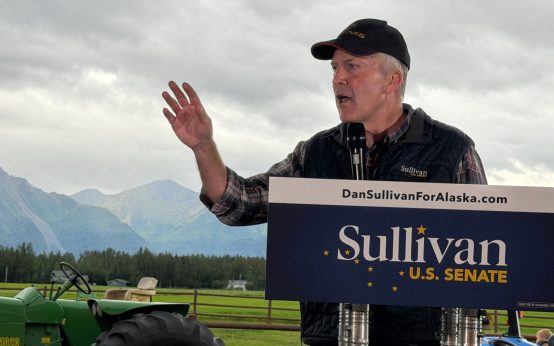 Alaska’s Senate Race: Local Politics vs. ‘Lower 48’ Allegiances
  Art Collective Strikes with Game Console Installation on National Mall
  Democrats’ Path to Retaking Senate Majority in Red States
  Latest Developments in Politics and Policy
 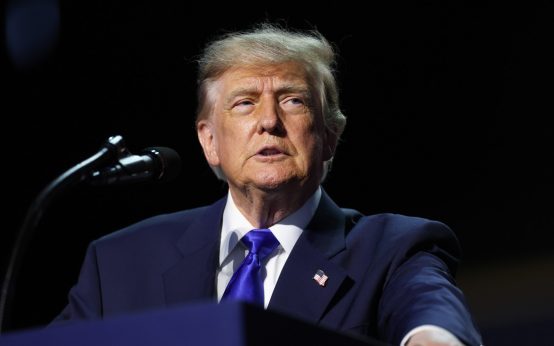 Debate on Trump’s Public Advertisements Before Midterms