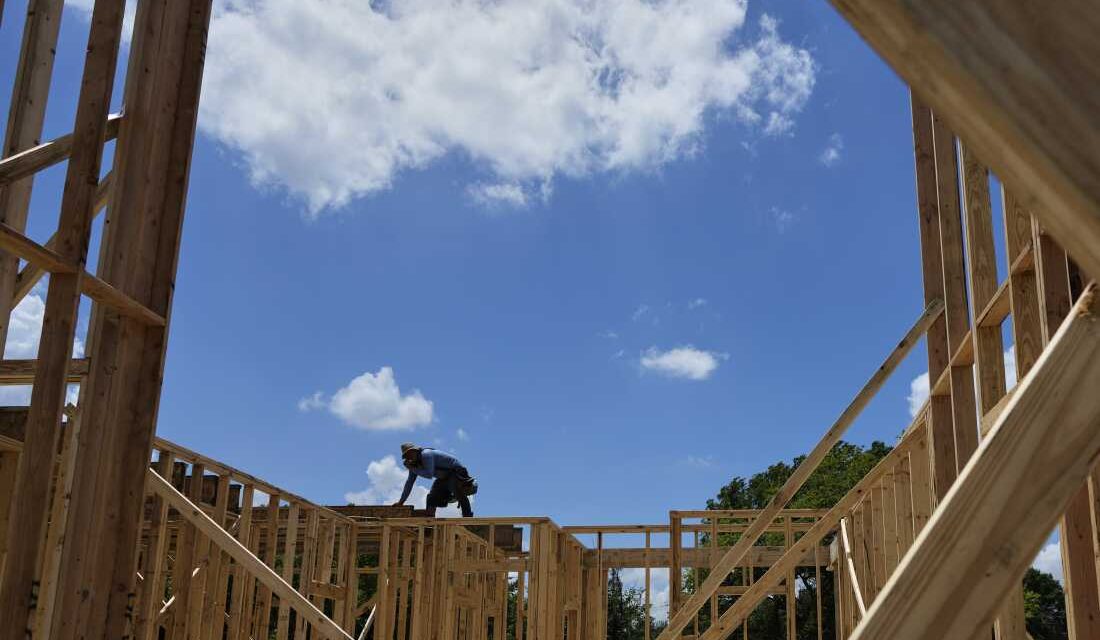
Lawmakers in Washington have taken a significant step toward making homeownership more affordable. The House passed the 21st Century Road to Housing Act with a vote of 358 to 32. The bill had already received overwhelming bipartisan support in the Senate, and it now awaits President Trump’s signature.
Sen. Elizabeth Warren, D-Mass., a co-sponsor of the bill, emphasized the importance of addressing housing affordability. “Every time every member of Congress goes back home they hear how urgent it is to bring down home prices. And that’s what the bill does,” Warren stated.
The U.S. housing market presents challenges for potential buyers. A report from Redfin reveals that a family needs an income of about $117,000 a year to afford the typical home, which is much higher than the average U.S. household income. Rising mortgage rates and inflation further restrict purchasing power.
The bill aims to tackle supply shortages, a critical factor impacting affordability. Realtor.com estimated the U.S. was short by over 4 million housing units last year. “Supply is the key problem here,” noted Jeanna Kenney, assistant professor at Villanova University. Improving supply is crucial for long-term affordability.
Ban on Corporate Investors
A notable provision in the bill bans corporate investors from purchasing additional single-family homes if they already own at least 350. This measure seeks to prevent corporate landlords from outbidding families. While investors comprise about 3% of the rental market, concerns exist that the ban might limit available housing.
“It chills investment, and we need more investment in housing stock, not less,” argued Ross Marchand from the Taxpayers Protection Alliance. Nonetheless, Warren supports the ban, citing investor impact in areas like Atlanta.
Streamlining Regulations
The legislation doesn’t allocate new federal funds for homebuilding. Instead, it eases regulations for builders accessing existing federal financing. Builders can bypass environmental reviews for projects between already-reviewed buildings, and communities can create “pattern books” for preapproved housing designs.
Additionally, manufactured homes may become more affordable. A provision eliminates the requirement for these homes to have a permanent chassis, potentially reducing construction costs by $5,000 to $10,000. Kate Wood from NerdWallet stated, “Not having that chassis immediately wipes several thousand dollars off that price.” This change allows for more design flexibility.
The bill also incentivizes local governments to expedite homebuilding by allocating federal dollars to areas building more housing. “If you don’t build more housing, you should lose those incentives,” stated Sen. Tim Scott, R-S.C.
Limitations of Federal Legislation
Despite these efforts, local governments and private builders primarily influence homebuilding. Congress cannot control mortgage rates, and the Federal Reserve may increase rates due to inflation. However, this bill represents a significant legislative effort toward housing affordability.
Amanda Crist from Greater Nashville Realtors highlighted the necessity of improving affordability. “Honestly, the dream of homeownership is simply just that — a dream for so many Americans,” she said. Anything that aids affordability “is absolutely necessary.”
Senator Warren reflected on the federal government’s rare proactive approach. “Finally, we are actually moving,” she concluded.
 Michigan Senate Nominee Abdul El-Sayed Criticized for Remarks on Reproductive Rights
  AFL Investigates Fairfax County Schools’ 9/11 Teaching Guidance
  Poll Reveals Voter Preferences Between Socialist Democrats and MAGA Republicans
  Challenges of Electing a Female President: Insights from ‘The View’
  Upcoming Concerns and Influence in Health Politics
  Rep. Donalds Distances Himself from Trump as Florida Governor Race Tightens