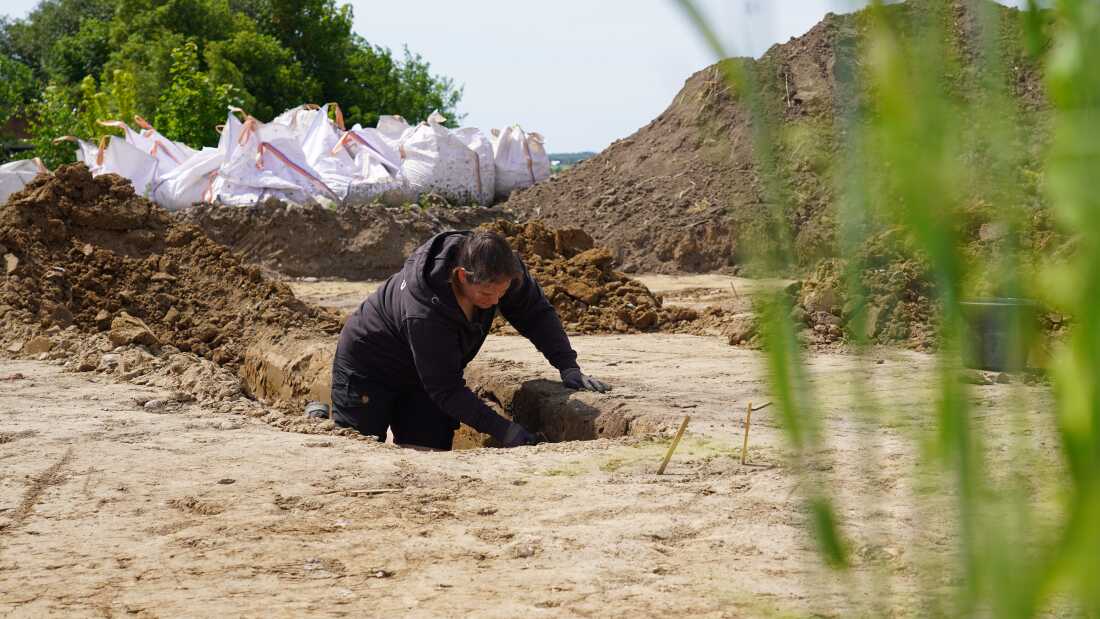
Viking Age Textile Production Site Uncovered
An archaeological team has unearthed a vast textile production site from the Viking Age in Søften, Denmark. The site dates back over a millennium, highlighting the Vikings’ advanced societal structures. Located 10 kilometers north of Aarhus on the Jutland peninsula, the area covers 100,000 square meters, with more than 80 pit houses serving as workshops and homes.
This site’s timeline spans from the late Iron Age to the early Viking Age, between A.D. 600 and 950. Archaeologist Liv Stidsing Reher-Langberg led a 10-month excavation, discovering spindle whorls and weight looms, indicative of textile activities. Additional finds included silver coins, glass beads, and pottery.
Significant Settlement Findings
Reher-Langberg noted distinct areas for production and crafts, overseen by a powerful figure controlling the resources. Prior metal detector discoveries of silver coins sparked interest, leading to a trial excavation before new road construction. The archaeological team saw relentless structures of houses and pit houses as part of textile operations.
Kasper Andersen, a Moesgaard Museum historian, remarked that Søften’s discovery contributes to understanding economic, cultural, and political dynamics at the time. Aarhus, known as Aros during the Viking era, was a center for royalty and trade. Nearby Lisbjerg revealed another noble Viking settlement.
Role in International Trade
The expansive production site implies integration into a broader international trade network. Carbon dating and pollen analysis may clarify details of the textile types produced.
During the Viking Age (A.D. 793-1066), Vikings engaged in raids, colonization, and trade across Europe, reaching North America. Andersen stressed that sites like Søften depict Vikings as organized, sophisticated populace with intricate production capabilities.
This discovery challenges perceptions of Vikings solely as marauding hordes, emphasizing their advanced societal frameworks and involvement in extensive markets.
 Artistic Chronicle of Communities’ Recovery Post-Hurricane Helene
  The Discovery of Incendiamoeba cascadensis: A Fire Amoeba
  Chicago History Museum’s Latin American Exhibit Sparked by Student Protests
 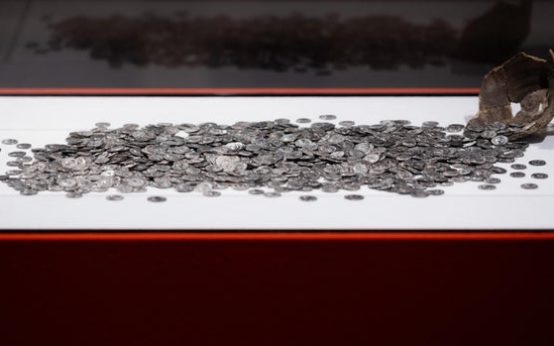 Archaeological Discovery in Germany: Largest Hoard of Roman Coins Found
 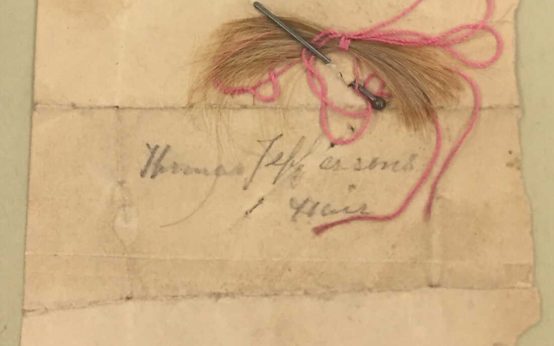 DNA Links Jefferson to Hemings Descendants
  Ari Emanuel’s Memoir: A Business-Centric Narrative