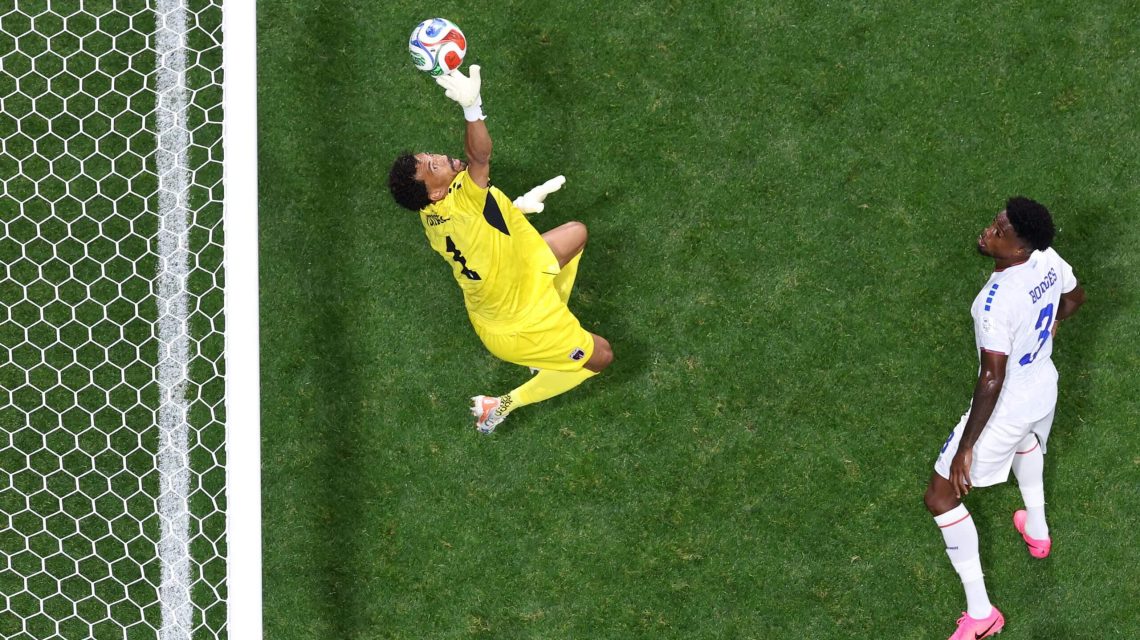
Thibaut Courtois remarked on Iran’s Alireza Beiranvand following Belgium’s 0-0 draw at the 2026 World Cup. He highlighted a frequent theme at the tournament: the exceptional performances of goalkeepers.
“He’s a good goalie and today he proved it again,” Courtois said. His words not only praised Beiranvand’s skill but also touched on the psychological aspects that boost a goalkeeper’s performance when confidence and circumstances align.
Beiranvand is no stranger to World Cup attention. In 2018, he famously saved a penalty from Cristiano Ronaldo during a match against Portugal. This year, he reminded everyone of his talent once again.
He’s not the only one making headlines. Curacao’s Eloy Room delivered an outstanding display, saving 15 goals against Ecuador. Cape Verde’s Vozinha helped his team hold off Spain, earning international acclaim.
“Goalkeepers often shine during World Cups. The significant stage elevates their performances to extraordinary levels, witnessed by millions.”
Room’s performance would stand out in any competition. His 90-minute concentration under pressure was impressive. Vozinha’s game against Spain showed more than athleticism; it required strategic anticipation and emotional control.
The meaning of these World Cup performances elevates them in football history. Tim Howard’s remarkable performance against Belgium in 2014 is still admired. Despite the U.S. loss, his saves are vivid in fans’ memories.
Throughout sports, we value playoff performances and coach endurance under pressure. The World Cup surpasses most events, sometimes transforming careers overnight. Small nation goalkeepers find this effect pronounced.
International football psychology is intriguing. While big nations carry expectations, smaller teams often see qualifying as a win, offering unique freedom. This mindset can empower goalies, demonstrated by Room in his match against Ecuador.
When underdogs meet giants, pressures shift. The favorites must dominate, but when goalkeepers repeatedly block shots, momentum shifts. Courtois referred to this, describing the feeling of invincibility developing during matches.
“An early success can snowball. As confidence grows, goalkeepers move instinctively, often entering a ‘flow state’ described by psychologists.”
In Switzerland, an early career experience mirrored similar feelings. A match against a top-flight team allowed an underdog club to relish the challenge, leading to a 0-0 draw with extraordinary defense under pressure.
For goalkeepers, repeated action can hone engagement and rhythm, unlike the intermittent demands faced by goalies in dominant clubs. Beiranvand’s performance illustrated his deft control and composure under constant challenge.
“Adapting to either environment shows the versatility of elite goalkeepers. Some flourish as underdogs, disrupting expectations.”
The World Cup setting creates memorable moments, often led by goalkeepers from smaller teams. Their psychological freedom and frequent engagement in the game allow them to showcase talent on the world’s grandest stage.
 Matthew Stafford’s Historic Achievement in NFL
  Washington Commanders’ Upset Victory with Marcus Mariota as Quarterback
  Pressure Mounts on Commanders’ Leadership as Quarterback Struggles
  Rise in Troop Wounded Numbers in Iran Conflict
  Pacific Hurricanes Nolo and Polo Pose Threats to Hawaii and Mexico
  Calm Amidst Crisis: Finnish President Stubb on Europe’s Security