Iran’s Revolutionary Guard has claimed responsibility for launching drone and missile attacks on Bahrain and Kuwait, as confirmed by state-run Iranian media. These attempts followed recent U.S. military actions targeting Iranian sites. This exchange threatens to undermine ongoing efforts to secure a lasting ceasefire between Iran and the U.S. Such aggressive actions mark a significant escalation since both nations agreed to a memorandum of understanding earlier this month.
Under the agreement, Iran and the U.S. committed to resolving major contentious issues within 60 days. These include disputes over shipping in the Strait of Hormuz, lifting of the U.S. blockade on Iranian ports, easing of sanctions, and decisions concerning Iran’s enriched uranium stockpile.
Kuwait’s air defenses successfully intercepted two Iranian ballistic missiles, with no injuries or damage reported. Iran’s attack on Bahrain, however, resulted in damage to a residential building near the international airport. The Bahraini Interior Ministry released images of the damaged structure, but confirmed that despite extensive damage to the top floor, no casualties occurred.
Bahrain condemned Iran’s actions as dangerous and deliberate aggression. Bahrain’s Foreign Ministry criticized Tehran’s actions as examples of systematic aggression, rather than isolated incidents.
Meanwhile, violence continues between Israel and Hezbollah in southern Lebanon. Hezbollah killed an Israeli soldier in Deir Siryan village, prompting Israel’s military to respond by targeting those responsible. Hezbollah’s leader has vowed to continue their fight until Israel withdraws from southern Lebanon. Echoing sentiments from various media outlets, Iran has reportedly urged an urgent conflict control meeting involving Iran, the U.S., and Lebanon.
Israel’s stance remains firm. The nation’s military chief, Lt. Gen. Eyal Zamir, declared preparedness to resume offensive operations in both Lebanon and Iran if necessary. The ceasefire from earlier in the month excluded Iran and Hezbollah, limiting its effect.
Tensions between the U.S. and Iran have further worsened due to disputes over the Strait of Hormuz. Tehran’s latest attacks appear to be a response to U.S. Central Command’s destruction of Iranian military targets, following Iran’s attack on the Panamanian-flagged tanker, Kiku. The U.S.’s aggressive defense measures continue as Iran insists it should govern the vital strait solely, a critical artery for global oil and gas transport.
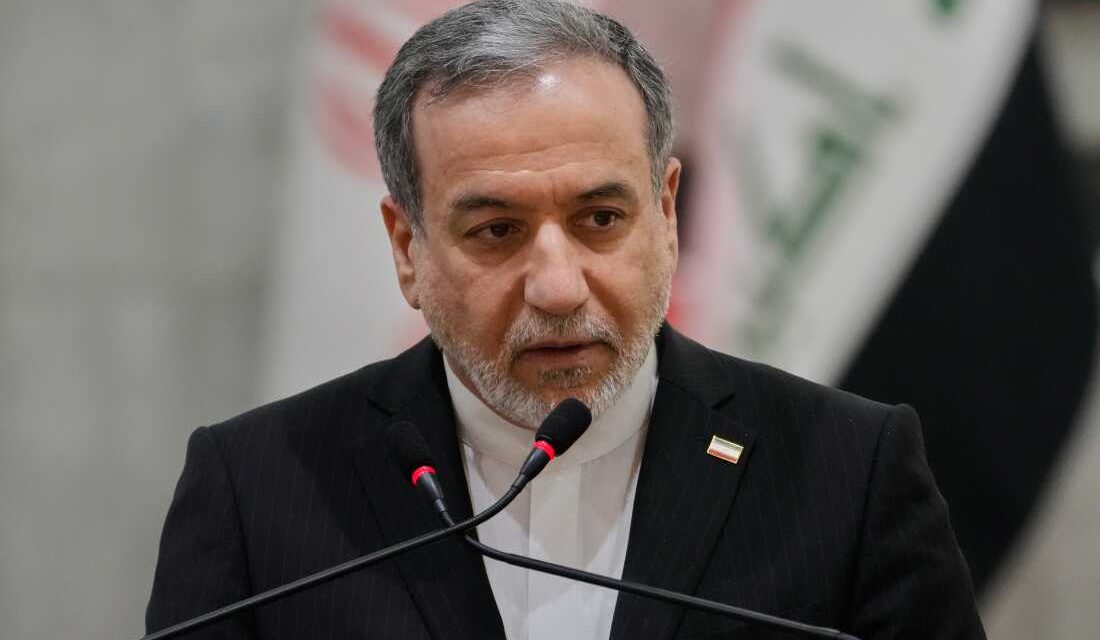
Iran’s Foreign Minister Abbas Araghchi emphasized Iran’s position on the strait, warning that attempts to change current governance would escalate tensions. The Revolutionary Guard Corps has indicated that Iran could cease negotiation efforts entirely if U.S. military actions persist.
President Trump has taken a firm stance, alleging Iran’s violation of the ceasefire. He warned of potential military force if diplomatic solutions fail, stating the survival of the Islamic Republic could be at risk.
 Global Coordination Behind Anti-Israel Protests
  Addressing Challenges in Horizontal Escalation
  Tropical Storm Rachel Approaches West Coast with Potential Hazards
  Pope Leo XIV Condemns Death Penalty Amid Planned Execution Livestream
  Hurricane Simon Strengthens to Category 4, Threatens Mexico’s Pacific Coast
  Toxicology Reports Link Deaths of Ole Miss Students to Synthetic Opioids