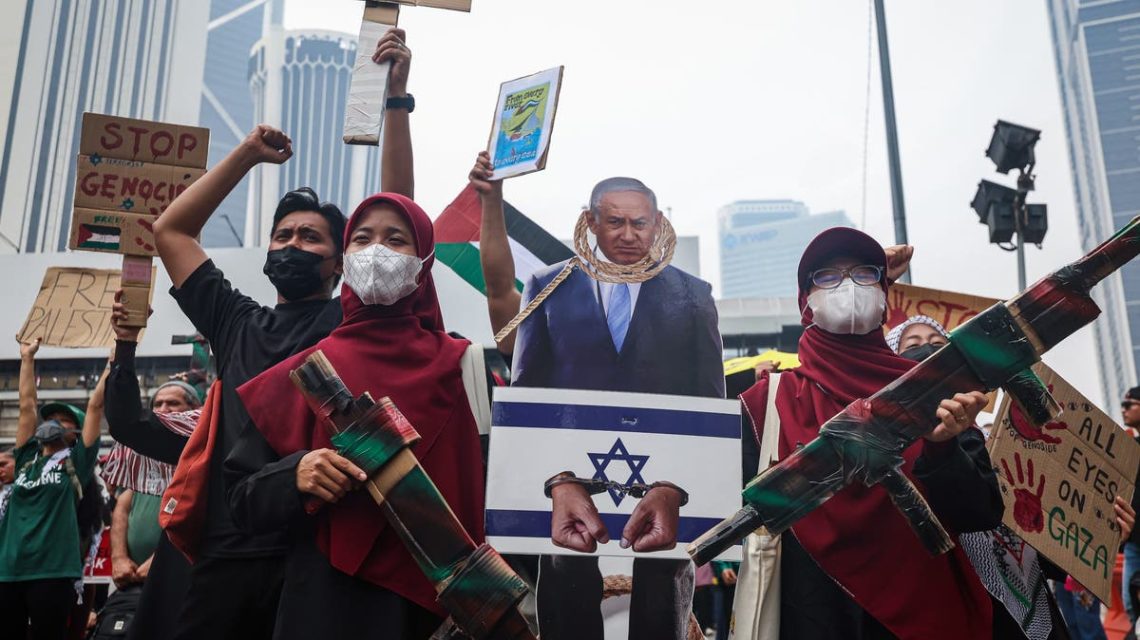
Demonstrators, including CodePink activists, gathered in Washington, D.C. late Saturday for a global action against Israel. These protests are part of coordinated efforts worldwide against Israeli policies. Similar events took place in Kuala Lumpur, Malaysia, where protesters carried graphic signs including ones calling out alleged Israeli ‘genocide’ and portraying Israeli Prime Minister Benjamin Netanyahu in a provocative manner.
A Fox News Digital investigation uncovered a detailed plan behind the protests. Protest organizers had predefined messages, tactics, and strategies to maximize impact. This included orchestrating actions like blocking city squares, surrounding government buildings, and targeting corporations, aiming to shift public outrage into collective power.
“This is not a symbolic march and not a routine protest.” – Protest organizing document.
The investigation identified 179 organizations involved in these activities. An interactive map highlighted 322 events planned over three days. Locations varied from Saint John, Canada, to Bangladesh, and South Africa, all of which used the term ‘intifada,’ a word linked to Palestinian uprisings, to signify resistance.
The level of global coordination involved exemplifies how modern protests leverage international leadership, local networks, and media outreach. This strategy turns personal beliefs of individuals into global political actions.
CodePink’s Role
CodePink, a nonprofit receiving significant funding from Neville Roy Singham, criticized by some as linked to foreign interests, played a prominent part. The organization’s members encouraged participation in protests, clearly advised participants to wear pink, and leveraged their network to amplify protest actions globally.
Documents revealed extensive coordination, not only aiming to campaign against Israel but also to maintain Israel as a focal point in the global media narrative. These materials outlined ways to mobilize people through strategic emotional appeals and repeated messaging.
Coordinated Messaging
Protest organizers utilized posters bearing emotionally charged slogans and imagery. For instance, one material showed ‘Stop Genocide’ with images symbolizing Palestinian resistance.
The protest coordination also entailed synchronized actions in workplaces, universities, and across cities to create a pervasive presence. Actions included walkouts, sit-ins, and street performances designed to disrupt normalcy and draw attention to the cause.
Strategic Objectives
One core aim was to bring the Israeli-Palestinian conflict into global focus, challenging media narratives. Organizers labeled protests as a response to alleged Israeli genocide, advocating for international interventions against Israel.
The operational documents didn’t stop at organizing rallies. They included plans to escalate visibility into political pressure, urging activists to engage policymakers with prepared advocacy materials. They demanded actions like arms embargoes and sanctions against Israel.
Protest Logistics
The organizers emphasized logistical support like funding, legal assistance, and participant coordination to ensure well-managed protests. Prominent international figures lent their voices, adding weight to the appeals for political action.
By clearly outlining strategic communications and synchronized protest efforts, the movement aims to generate sustained pressure on political institutions worldwide. This coordination ensures that the protests are portrayed consistently across different platforms and media outlets.
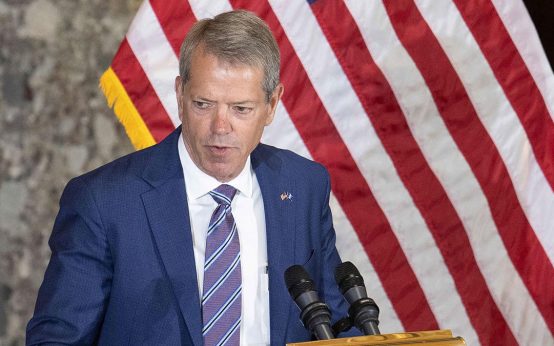 States Take Action Against Cash Welfare Abuse
 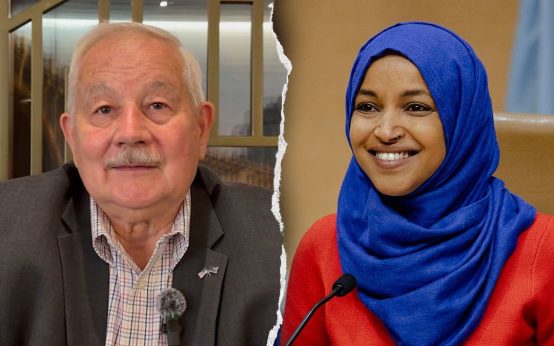 Violence in Twin Cities Spurs Criticism from GOP Candidate
  Jack Smith’s Political Involvement and Controversial Actions
  Addressing Challenges in Horizontal Escalation
 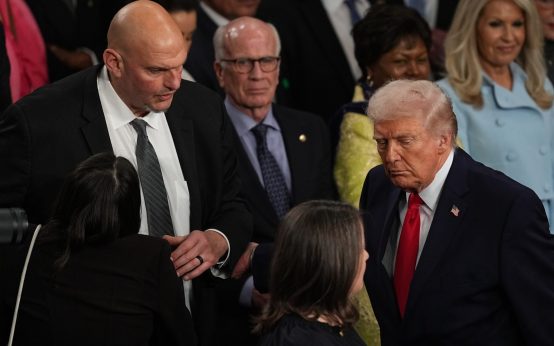 Trump’s Comments Spark Speculation About Senator Fetterman’s Political Future
  Pope Leo XIV Condemns Death Penalty Amid Planned Execution Livestream