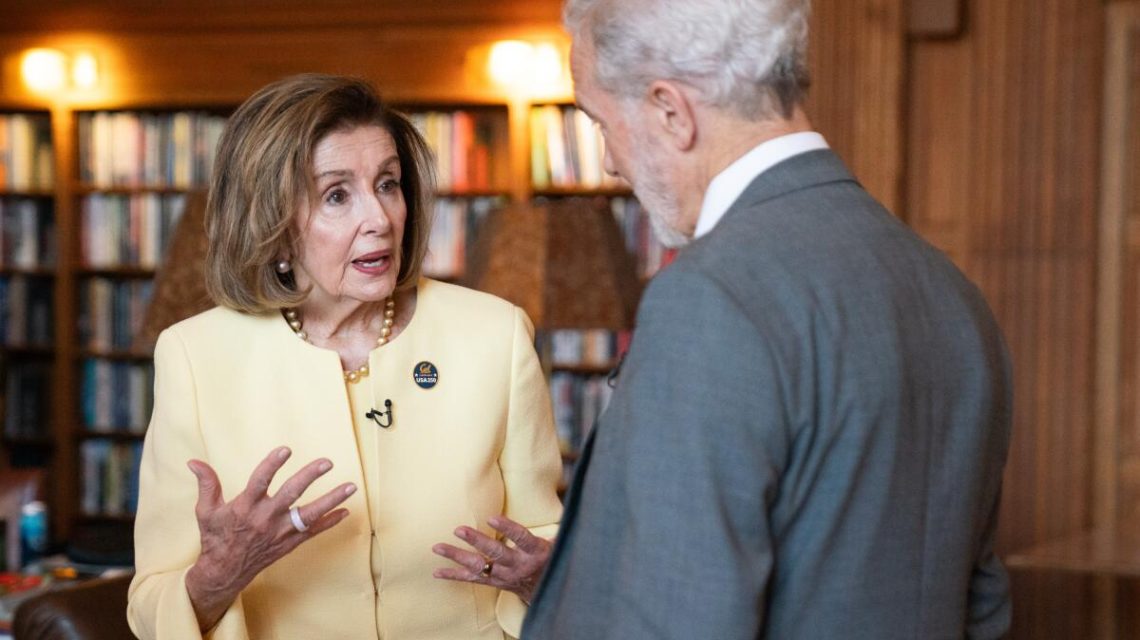
Rep. Nancy Pelosi, with nearly 40 years in Congress, has announced plans following her departure in January. She will focus on UC Berkeley students with the establishment of the Nancy Pelosi Institute for Representative Democracy. This initiative will be funded by tens of millions of dollars in donations from Pelosi and other contributors.
The institute will aim to attract top scholars to campus, support students’ aspirations for public service, and position itself as a prominent Bay Area entity. It will serve as an alternative to major university political institutes that typically host former members of Congress and White House staff. Harvard’s Institute of Politics and USC’s Jesse M. Unruh Institute of Politics are well-known examples of this tradition.
UC Berkeley’s history of left-wing activism places Pelosi’s nonpartisan academic project in an intriguing context. Pelosi has expressed her vision of creating a space for Republicans and Democrats, including Trump-aligned figures, to study American politics. She believes democracy’s work is ongoing and emphasizes the importance of securing its future.
Pelosi has made history as the first female House speaker. Her mission with the institute is to ensure students comprehend the constitutional framework founded by the nation’s framers, which she believes is at risk. The institute, anchored in Berkeley’s Department of Political Science, plans to offer courses to 500 students annually.
In spring 2027, Pelosi will co-teach a course on Congress alongside Berkeley political scientist Eric Schickler. The Pelosi Institute will support faculty research on climate change, wealth inequality, electoral reforms, and more. It will also host visiting fellows annually and establish a public exhibit on Pelosi’s congressional career.
Pelosi’s approach involves sharing her congressional experience with Berkeley, while learning from students and faculty about political discourse. Despite her reputation as a strong opponent of Trump, the institute will strive to maintain a nonpartisan stance, as affirmed by UC Berkeley Chancellor Rich Lyons.
Pelosi is largely delegating the institute’s management to Berkeley, contributing her name and expertise. She expressed openness to having figures from the Trump administration as visiting fellows if appropriate. She aims for the institute’s credibility by separating her politics from its programs, and values partnership with an academic institution over a personal foundation for nonpartisan strength.
Pelosi’s past academic engagements include the Paul F. Pelosi Scholars Initiative at Georgetown’s Walsh School of Foreign Service. Her Berkeley institute represents a significant commitment with a $50-million fundraising goal, $35 million of which is already secured.
Pelosi plans to remain in San Francisco and commute to Berkeley. Chancellor Lyons acknowledges the challenge of maintaining nonpartisanship at Berkeley, given its political associations. The visiting fellows program aims to include a range of political perspectives.
Eric Schickler, who will co-teach with Pelosi, views the institute as an empowerment tool for the Political Science department. Pelosi’s influence is often discussed in his classes, notably her role in passing the Affordable Care Act. The institute also seeks to address disparities compared to well-funded private university programs.
The institute aims to cultivate advocates, organizers, and public servants, reflecting Pelosi’s view that effective congressional action requires both insider and outsider efforts. Her initiative at Berkeley represents an investment in the future.
As Pelosi contemplates the leadership and innovation the institute will produce, she reflects on Abraham Lincoln’s words: “One Country. One Destiny.”
 Trump Administration Seeks to Influence NIH Grantmaking
  Protests in Austin: Analyzing the Coordination Behind Anti-ICE Demonstrations
 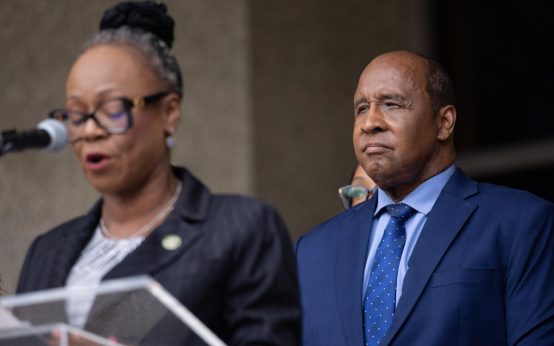 Controversy Surrounds Inglewood Mayor Amid Allegations
  White House Launches Trump TV Amidst Press Dispute
  Media Organizations Sue Trump Administration Over Press Access
 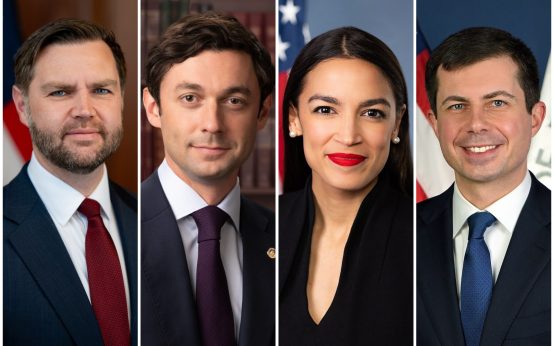 VP JD Vance Trails Potential Democratic Contenders in Early Polling for 2028 Election