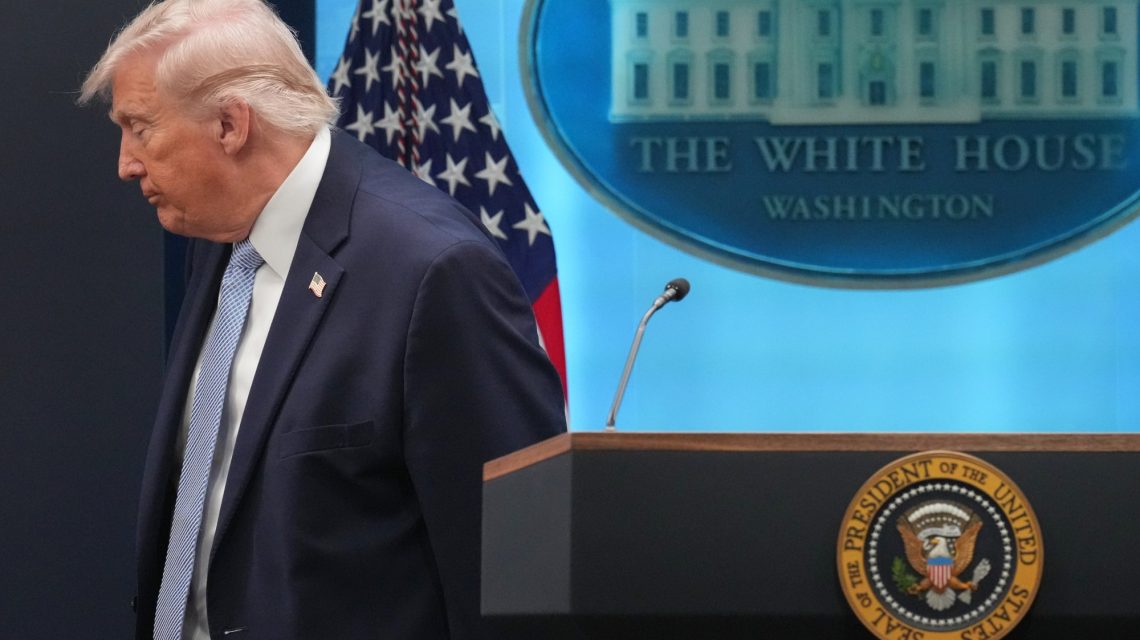
The recent developments between the United States and Iran have highlighted numerous concerns about international commitments and U.S. credibility. President Donald Trump’s agreement with Iran has been met with skepticism, drawing comparisons to President Obama’s Joint Comprehensive Plan of Action.
Impact of the Ceasefire and Financial Transactions
The ceasefire negotiated by the U.S. was quickly violated by Iran, raising questions about the effectiveness of such agreements. Critics argue that Trump’s deal offers more advantages to Iran than previous agreements, despite temporarily hindering Iran’s nuclear program and military capabilities.
To reopen the Strait of Hormuz and move towards eliminating Iran’s nuclear weapons, Trump agreed to significant financial transactions, labeled by Iran as reparations. However, these transactions seem unbalanced, as there is no compensation for American military losses or the damage caused by Iran.
Consequences for U.S. Credibility
The conflict with Iran may diminish U.S. credibility with other global adversaries such as China, Russia, and North Korea. Observers note Trump’s readiness to use military power but highlight a preference for quick, decisive actions rather than sustained engagements.
There are concerns that this could affect future conflicts. For instance, a protracted confrontation over Taiwan would test U.S. resolve and challenge the strategic patience seen in adversaries like China.
Strategic Vulnerabilities and Economic Exposure
The conflict revealed vulnerabilities in global shipping routes. The economic impact of disruptions in chokepoints like the Taiwan Strait and Strait of Hormuz is significant.
Strategic waterways are critical for international trade but remain susceptible to basic military threats. Ensuring their security requires robust deterrence and defensive strategies.
Recommendations for Future Stability
Going forward, a comprehensive approach is needed. Trump should leverage his diplomatic skills to secure cooperation in defense planning among allies. Proactive measures, rather than reactive strategies, are essential in maintaining stability.
The focus should also include efforts for regime change in Iran to reduce hostile players in global geopolitics. Collaborative efforts with NATO allies, under leaders like Mark Rutte, are crucial for uniting Western allies behind a shared defense strategy.
 GOP Candidates Call to End Iran War Amid Rising Fuel Costs
  Trump Administration Seeks to Influence NIH Grantmaking
  Protests in Austin: Analyzing the Coordination Behind Anti-ICE Demonstrations
  Controversy Surrounds Inglewood Mayor Amid Allegations
  White House Launches Trump TV Amidst Press Dispute
  Media Organizations Sue Trump Administration Over Press Access