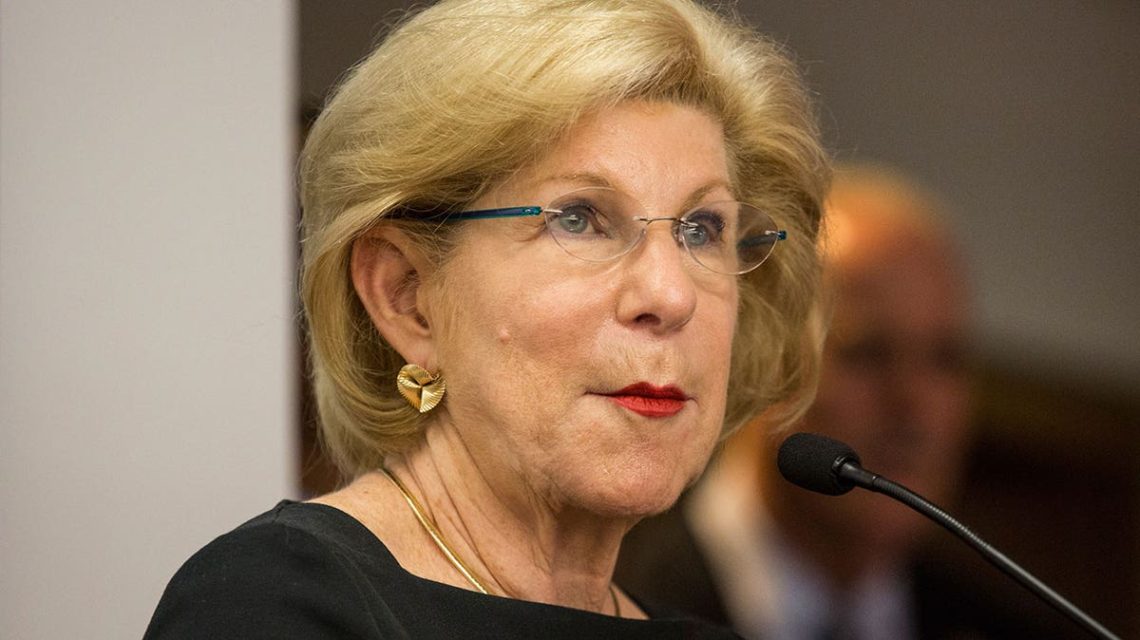
NPR’s legal affairs correspondent Nina Totenberg surprised the media industry by mistakenly reporting Supreme Court Justice Samuel Alito’s retirement. This incident is not isolated in her lengthy career, which spans over fifty years and includes numerous mishaps.
On Tuesday, Totenberg published an article suggesting Justice Alito, the author behind the decision to overturn Roe v. Wade, had retired. Shortly after, she replaced it with a statement explaining the error. She addressed the situation on ‘All Things Considered,’ but this is not her first notable mistake.
In 1972, Totenberg faced plagiarism allegations while with the National Observer. According to the Columbia Journalism Review, she incorporated whole sections from a Washington Post article about Thomas P. O’Neill without attribution. Two decades later, she admitted to a lapse in judgment, saying, “I was in a hurry. I used terrible judgment,” and acknowledged the need for consequences at the time. She stressed that young journalists should learn from their mistakes.
Another controversy arose in 1987 when Totenberg reported inaccuracies in Douglas Ginsburg’s resume during his Supreme Court nomination. Legal Times reporter Aaron Freiwald accused her of using his information without credit, which made him “very upset.”
In 1992, Totenberg faced backlash after sharing portions of Anita Hill’s affidavit during Clarence Thomas’s nomination, accused by Hill of sexual harassment. Republican figures criticized her ethics, with Alan Simpson labeling her “not objective.”
In 1995, Totenberg made a contentious comment about Senator Jesse Helms related to his stance on AIDS research. She later described the remark as “a stupid one” that she regretted.
In 2020, following Justice Ruth Bader Ginsburg’s death, Totenberg revealed a close friendship with the justice. This disclosure prompted discussions about potential conflicts of interest. Critics, including Paul Farhi from The Washington Post, questioned her ability to remain unbiased, suggesting such relationships should be disclosed for transparency.
Totenberg also faced disputes in 2022 when her report claimed Justice Neil Gorsuch refused to wear a mask, conflicting with Justice Sonia Sotomayor’s COVID-19 safety concerns. The story cited Chief Justice John Roberts’ mask directive during an omicron surge. However, Fox News’ Shannon Bream and Supreme Court sources contested the accuracy of Totenberg’s report. NPR supported her reporting despite conflicting statements from Justices Sotomayor and Gorsuch.
Totenberg’s career involves multiple controversies and accusations of biased reporting, urging readers and critics to scrutinize her journalistic practices. Her experiences highlight the importance of transparency and accountability in journalism.
 New York Magazine’s First Men’s Style Issue Stirs Debate
 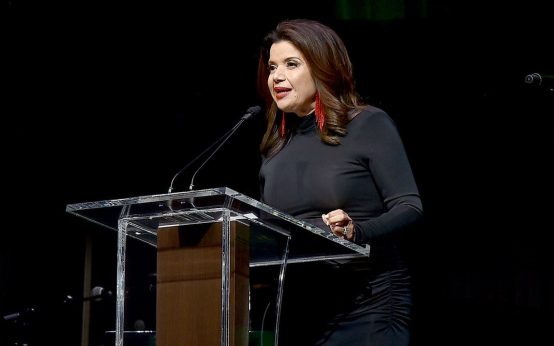 ABC Faces Criticism After Ana Navarro’s Remarks on ‘The View’
 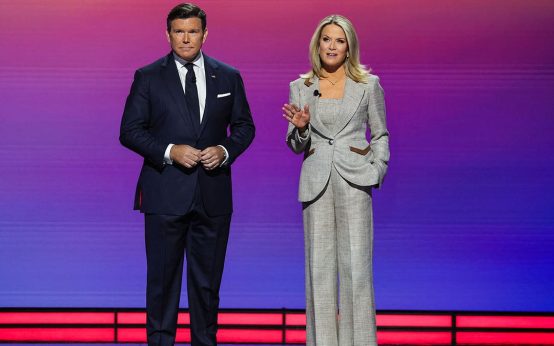 Reflections on 22 Years at Fox News
  Judge Restores CNN’s Access Amidst Media Tension with Trump
  The TV President’s Image Without Network Footage
 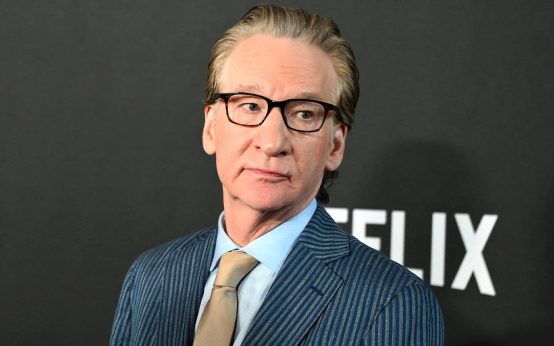 Maher Criticizes Far-Left Over Mask Policy Backlash