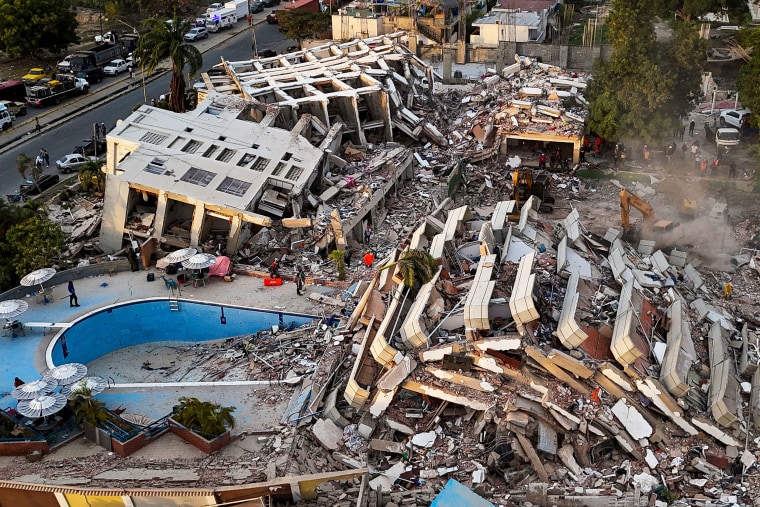
In Venezuela, acting President Delcy Rodríguez defended the government’s handling of last week’s major earthquakes. The U.S.-backed leader faced accusations of a slow response and underestimating the death toll. Critics also pointed to inadequate social housing projects as factors worsening the disaster.
Response Criticism and Public Sentiment
Discontent is evident, especially in La Guaira, the hardest-hit area. Locals lamented the lack of immediate search efforts, often resorting to personal efforts to locate loved ones. Rescuers struggled with limited specialized equipment, hampering their efforts. Faulty construction of housing from Hugo Chávez’s time left many vulnerable.
At a Caracas news conference, Rodríguez rejected criticism, accusing the media of spreading false information. She insisted on a swift government reaction, stating, “We did not wait.” The death count reached at least 2,295, with expectations for it to rise. The government controls communication and relief channels tightly, limiting transparency.
Search Efforts and Rescues
The ongoing relief operation saw a glimmer of hope as a 43-year-old security guard, Hernán Alberto Gil Flores, was found alive after eight days trapped. His rescue was a rare uplifting moment for on-the-ground crews from 10 different nations. Yet, despair persists as streets smell of decay and many remain missing.
La Guaira’s recovery process appears grim, with many reported missing to a website created by the opposition. The government has not issued official missing person counts, keeping figures vague.
Official Responses and International Aid
Rodríguez addressed questions about the missing and urged restraint against speculation. She acknowledged that after the quakes, many rescuers were immediate survivors or community members. She claimed the state mobilized resources quickly, involving private sector assistance.
This disaster tests Rodríguez’s leadership. Her interim leadership position, granted by the Trump administration, faces a deadline. With her 180-day mandate expiring, Venezuela’s political future remains uncertain. Under the constitution, the vice president temporarily fills absences, leading to potential elections if deemed permanent.
In contrast to past disasters, Rodríguez welcomed international aid, including from traditionally adversarial nations like Israel. She expressed gratitude to the U.S., noting substantial financial and personnel contributions. This collaborating reflects a shift in diplomatic relations and marks a significant government acknowledgment of its need for external support.
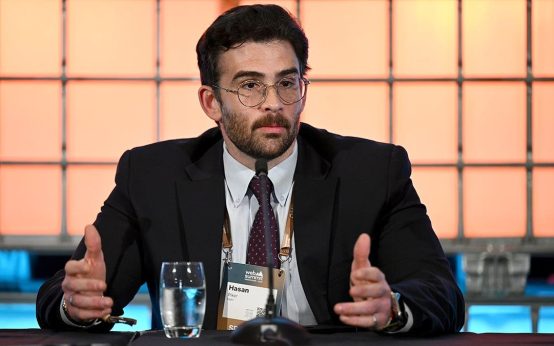 Twitch Streamer Hasan Piker Discusses Controversial Commentary
  The Unlikely Intrigue of a 1990 NBA Trading Card
  A Shifting Political Landscape: The Decline of Autocratic Power
  Trump Delivers Warning to Iran, Cuba at UN General Assembly
 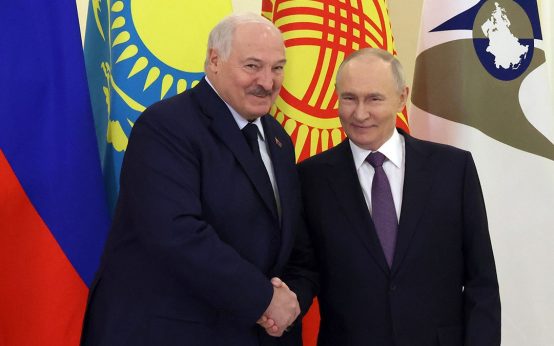 Lukashenko and Putin’s Unique Relationship and Belarus’ Strategic Role
 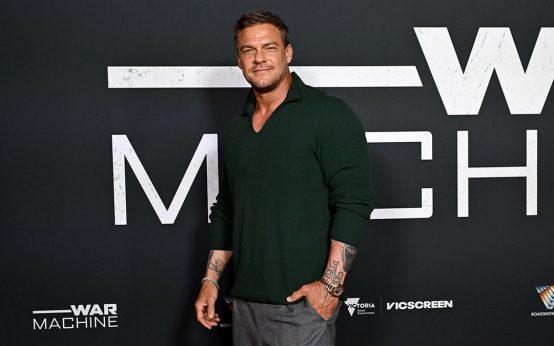 Alan Ritchson Faces Backlash Over Political Remarks