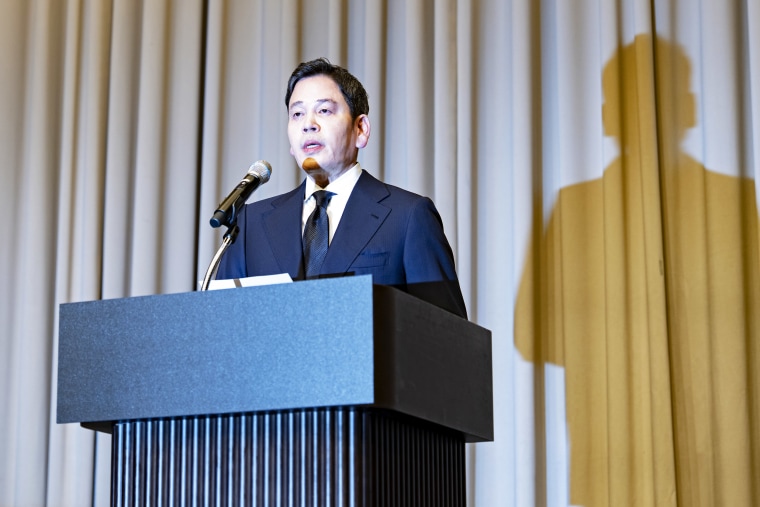
On May 26, 2026, the head of Starbucks in South Korea issued another apology as the company faced a public outcry. The controversy stemmed from a marketing campaign perceived as insensitive toward South Korea’s pro-democracy movement. Starbucks, present in South Korea since 1999, launched a promotional campaign for a large tumbler called a ‘tank’, slated for May 18. This date coincides with the anniversary of the 1980 Gwangju Uprising, a tragic event marked by military violence against democratic activists.
Compounding the issue, the campaign included the phrase ‘Thwack it on the table’, unwittingly recalling a 1987 incident where authorities claimed student activist Park Jong-chol died of self-inflicted causes during interrogation, dismissing reports of his torture with similar wording. In light of the backlash, Chung Yong-jin, chairman of Shinsegae Group which holds a majority stake in Starbucks Korea, publicly apologized. He acknowledged the pain caused and stressed the importance of understanding and respecting the public’s sentiments.
“All members of the Shinsegae Group, including myself, will remember the history and sacrifices of our society,” Chung stated, urging people to redirect any anger away from Starbucks employees.
Chung, during a televised apology, bowed three times, marking the second public apology in two weeks. The incident led to the dismissal of Starbucks Korea CEO Sohn Jeong-hyun, cited by Shinsegae as participating in an ‘inappropriate’ campaign. Despite measures taken, public anger persisted. South Korean officials supported calls for boycotts, with the interior minister announcing a cessation of voucher offerings from companies perceived to disrespect national history.
Protests erupted, including one in Gwangju where demonstrators broke Starbucks cups. Critics, including President Lee Jae Myung, condemned the company’s actions, tying the controversy to the broader political climate amid upcoming local elections. Media expert Kim You Kyung noted Starbucks’s strong popularity in South Korea as a factor in the intense public disappointment.
Starbucks Korea stated no evidence showed intentional disrespect by marketing employees. Yet, three employees refused to participate in internal investigations. Five team members involved were dismissed, and the company is cooperating with a police inquiry initiated by victims’ families of the Gwangju events. Shinsegae pledged complete accountability for any proven intent.
The Democratic Party called for greater transparency from Shinsegae, emphasizing unanswered questions about potential campaign intent. The People Power Party criticized the backlash as veering into “consumer censorship”.
Protests continued outside Starbucks facilities, with demonstrators calling for boycott. Kim, a media professor, argued the incident highlights the need for foreign brands to acknowledge local historical sensitivities. Young consumer Kim Young Jin found the response to Starbucks overly intense, though he acknowledged the importance of an apology.
‘If products are affordable and enjoyable, consumers will continue patronizing them,’ Kim noted, reinforcing the complex interplay of market forces and corporate accountability.
Reporting contributions came from Stella Kim in Seoul and Jennifer Jett in Hong Kong.
 Growing Tensions: Poland’s Support for Ukrainian Refugees Erodes
  Efforts to Free American Teacher Detained in Russia
  U.S. Efforts to Release American Detained in Russia and Shifts in Southern Senate Races
  US Issues Security Warnings Amid Rising Middle Eastern Tensions
  British Police Rearrest Suspects Linked to Alleged Iranian Plot
  Trump’s Influence on Israeli Politics Amidst Netanyahu’s Election Battle