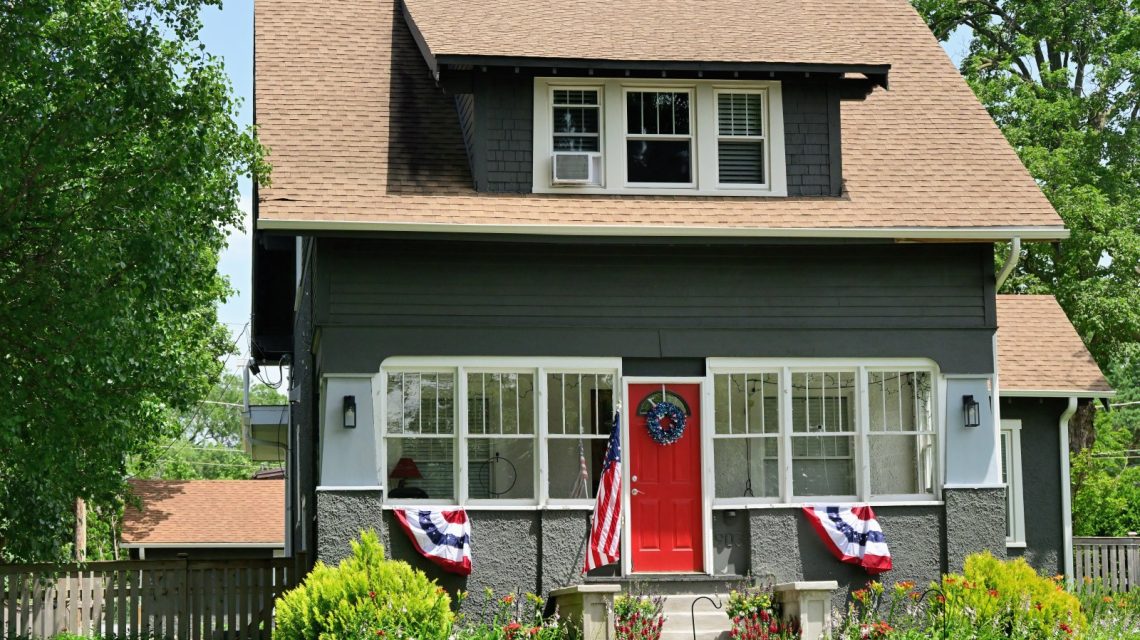
The spring season saw U.S. homebuyers hesitant due to affordability issues and economic fears tied to geopolitical tensions. However, declining listing prices could draw them back. According to Realtor.com, June marked the fastest annual fall in national median asking prices in nearly a decade, dropping 2.5% year-over-year to $430,000. This trend represents eight consecutive months of declining prices.
A $430,000 home purchase last month, with a 20% down payment and a mortgage rate of 6.49%, results in an average monthly payment of $2,172. This is a saving of approximately $132 compared to a home bought in June 2025 at a median price of $440,950 and a 6.82% rate.
All U.S. regions experienced a decline in median listing prices. The West led with a 4% decrease year-over-year, reaching $600,000. The South saw a 2.5% reduction to $389,000. The Northeast experienced a slight drop of 1% to $554,500, while the Midwest’s prices remained steady at $329,900.
June also saw a notable change. Homes for sale spent no more time on the market than they did a year prior, at an average of 53 days. Jake Krimmel, a senior economist at Realtor.com, noted this as positive news amid economic uncertainties.
Implications for U.S. Homebuyers
Despite falling prices, affordability challenges persist due to high mortgage rates. Freddie Mac reported a 6.43% average rate for a 30-year fixed mortgage as of early July. However, prices are higher than pre-pandemic levels.
The Federal Reserve’s decision to maintain its key rate between 3.5% and 3.75% has alleviated fears of immediate mortgage rate hikes. Meanwhile, home price growth has notably slowed.
A market once favoring sellers is showing signs of change. Falling median listing prices and stable market days suggest cautious buyer re-engagement. Pending sales increased by 3.7% year-over-year in June, marking continued growth.
Sellers appear more willing to adjust prices to attract buyers. Delistings decreased by nearly 10% compared to last year, representing about 5% of active listings—similar to pre-surge levels.
Active inventory reached 1,102,615 listings in June, up 1.9% from the previous year. The Northeast and Midwest saw significant inventory growth, while the South remained flat. The West had slight increases.
Danielle Hale, Realtor.com’s chief economist, commented on sellers’ adaptability. She noted that sellers are pricing more accurately and buyers are responding positively with more bids. This indicates a more balanced and functional market.
 Understanding Real Estate Fees
  Homeowners’ Guide to Home Equity Loans: Costs and Considerations
 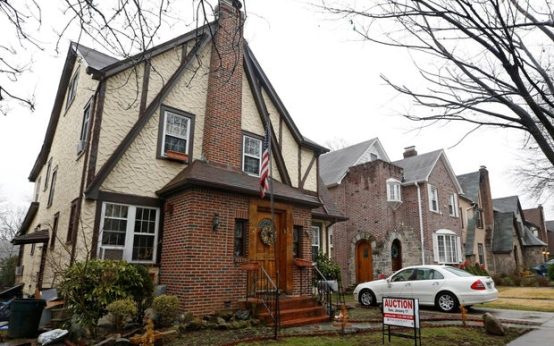 Trump’s Childhood Home Renovated and Sold for Nearly $2 Million
 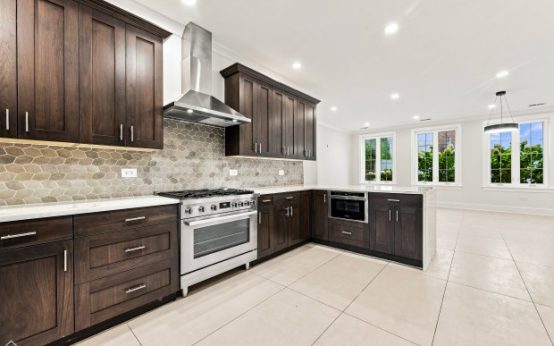 Luxury Five-Bedroom Home for Sale in Edgewater, Chicago
  Skokie Trustees Revise Short-Term Rental Regulations
  U.S. Housing Market Trends: Opportunities and Challenges for Homebuyers