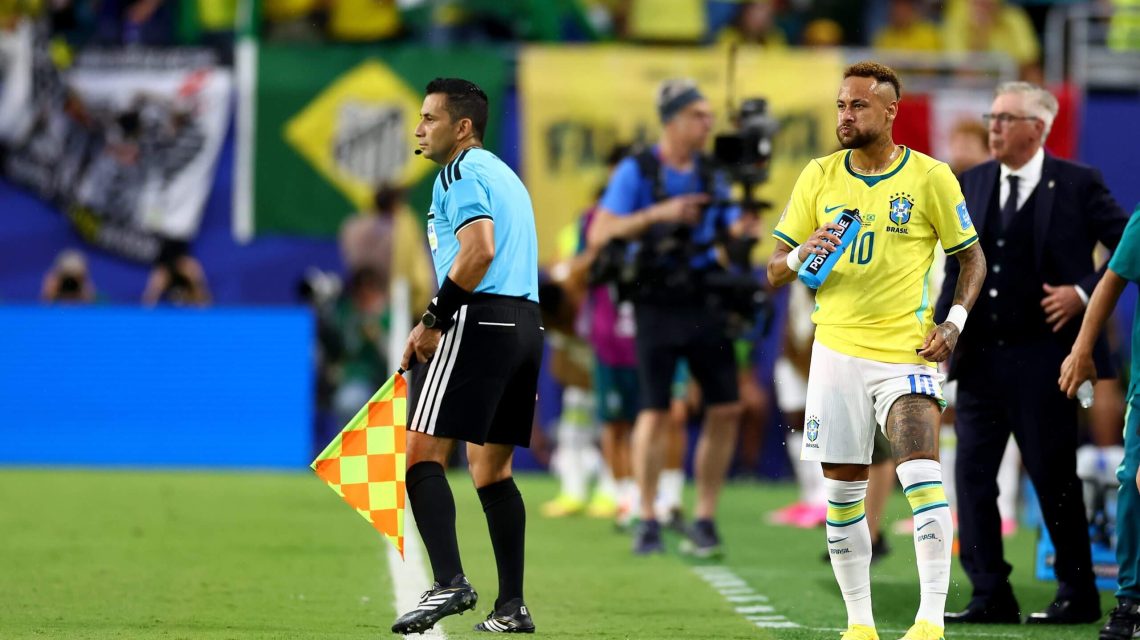
During England’s 0-0 World Cup draw with Ghana, Declan Rice drew attention by adjusting his shorts at the corner flag. The England midfielder rolled up his shorts, revealing thigh muscles to both spectators at the Boston Stadium and viewers worldwide. The action sparked a lively online debate, leading some to speculate if his style had hidden meanings. Was he signaling inswingers or outswingers with his degree of short lift? Did it correlate with ball placement?
Exploring FIFA’s annual equipment regulations reveals surprising details. These regulations encompass over a hundred pages, including five pages solely dedicated to shorts. Players are required to wear shorts, with specifics about fit, such as having both legs and seams, and clear visibility of player numbers when shirts are untucked. However, there is no precise limit on short length.
This flexibility suits Rice and others who prefer the feeling of wind on their thighs. Many footballers, including Jack Grealish of Manchester City, former German international Lukas Podolski, and Brazil’s Neymar, embrace this style. Even Leeds United’s Dominic Calvert-Lewin opts for smaller shorts for the right fit.
The reasons for this preference vary. Some believe it involves strategy, similar to how other sports use signals. A Women’s Super League set-piece coach in the UK suggests it might involve code sending, akin to baseball and American football strategies. Fashion, personal preference, and performance psychology also play roles.
Sport psychologist Martin Turner highlights the psychological element. Football involves “open skills” (self-expression) and “closed skills” (static tasks like free kicks). Adjusting shorts can help players focus, providing a mental routine during games. Turner points out, like tribal fishing rituals, these adjustments offer players a sense of control in uncertain situations.
Certain apparel preferences can also affect player comfort. New kits can cause stress when not comfortable immediately, leading to short hiking as a coping mechanism. Functionality is another factor. Players want freedom of movement, as in the case of Stuart Pearce and Joe Cole, who requested shorter shorts for better mobility or to deter defenders.
Rob Warner, former creative director at Puma and founder of Spark Design Academy, emphasizes the importance of design. Warner contributed to the 2006 World Cup kits, focusing on aerodynamic designs to enable movement. He remarks that short design often gets overlooked despite player preferences for length and fit.
Technological advancements have improved heat management in shorts. Designs now use elastic waistbands to distance material from skin, enhancing comfort. However, players facing extreme weather conditions, like at the World Cup, might still make adjustments. Shorts also affect player self-confidence. For some, like Ronaldo, showing well-defined muscles conveys strength.
Turner mentions the psychological impact of appearance on self-confidence. If players feel uncomfortable, performance can suffer. Even at the elite level, players desire to look good and fit in. Viral images of players adjusting shorts, such as Ronaldo, reflect this focus on appearance.
Trends have influenced short styles throughout history. Early decades featured long shorts reminiscent of trousers. By the 1960s and ’70s, hemlines rose, leading to thigh-exposing designs. The ’90s and early 2000s saw a shift to baggier fits due to hip hop influence and retro-kit trends.
Recent advancements in short technology have offered players various options. From bonded hem designs to heat-wicking materials, shorts now offer enhanced performance. Despite these improvements, Warner believes shorts will not become extremely customized like other gear. Instead, players will continue to adapt, using hikes and tugs to meet personal preferences.
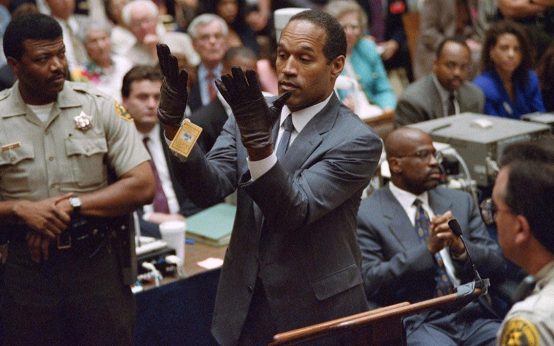 Debate Over O.J. Simpson’s Omission from Buffalo Bills’ Wall of Fame
 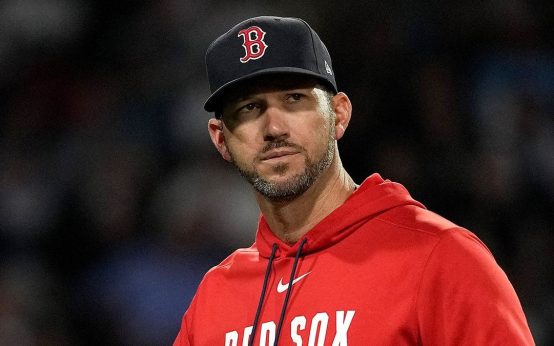 Red Sox Remove Interim Tag, Appoint Chad Tracy as Manager
  Lane Kiffin Criticized After Ole Miss Loss While Florida Football Faces Social Media Fiasco
  Deion Sanders Enforces Discipline After Colorado’s Defeat to Northwestern
  Steve Lotysz: From Medinah’s Gates to Presidents Cup Artistry
  Calls Grow for Ireland’s Soccer Team to Boycott Matches Against Israel