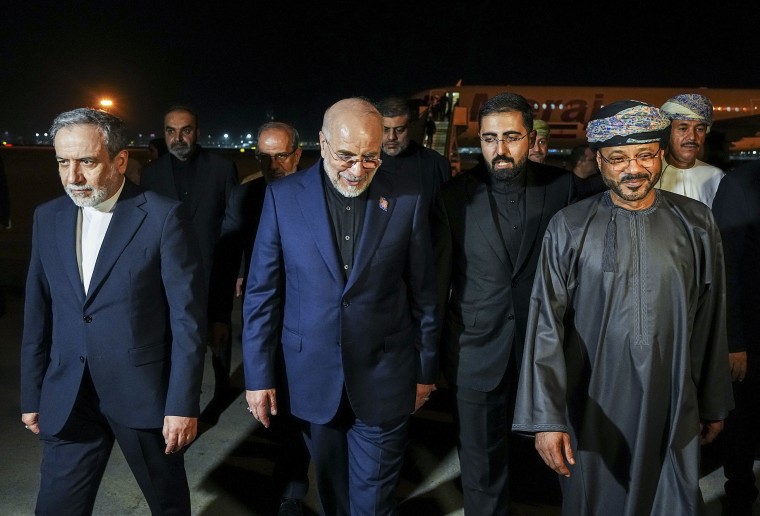
U.S. Concerns Over Israeli Actions in Peace Talks
U.S. officials expressed apprehension regarding Israel’s possible intentions to target Iranian negotiators during recent discussions aimed at establishing a ceasefire. Both U.S. and Iranian sources have acknowledged these concerns, revealing that Tehran received warnings about potential threats.
Key Figures in the Talks
During negotiations in April and May, aimed at ending hostilities between the U.S., Israel, and Iran, concerns arose within the Trump administration. The focus was on a potential threat to figures like Iranian Foreign Minister Abbas Araghchi and Parliament Speaker Mohammad Bagher Ghalibaf. These individuals played crucial roles in negotiations along with U.S. envoy Steve Witkoff and Jared Kushner, President Donald Trump’s son-in-law.
Progress and Challenges
The talks, initiated in April, resulted in an initial ceasefire agreement, followed by a memorandum of understanding between the U.S. and Iran. Despite continuing negotiations to secure lasting peace, several vital issues remain unresolved.
Warnings and Reactions
The U.S. communicated the warning to Iran through intermediaries. The New York Times reported the administration’s concerns, prompting a response from Israeli Prime Minister Benjamin Netanyahu’s office. An X post labeled the New York Times report as “fake news,” asserting it was a fabrication. Additional requests for comment directed NBC News to the X post. The White House did not immediately address inquiries.
Historical Context of Israeli Actions
Israel has a record of targeting senior Iranian military and government officials, frequently penetrating Iranian security systems. During the first weeks of the conflict, U.S. air strikes focused on military targets, while Israeli forces targeted influential regime figures.
War Aims and Negotiation Challenges
Trump mentioned that some Iranian officials, previously seen as pragmatic, perished in airstrikes. Divergent aims between the Trump administration and Netanyahu’s government have caused friction, especially concerning Israeli strikes in Lebanon targeting Hezbollah. These actions risk destabilizing peace talks.
Intelligence Assessments and Criticisms
U.S. intelligence agencies recently assessed that Israel might persist in attacking Hezbollah, further jeopardizing diplomatic efforts. Vice President JD Vance has openly criticized Israeli hard-liners, underscoring the repercussions of relying solely on military solutions for national security challenges.
 Far-Left Groups Allegedly Organize Protests in Austin
 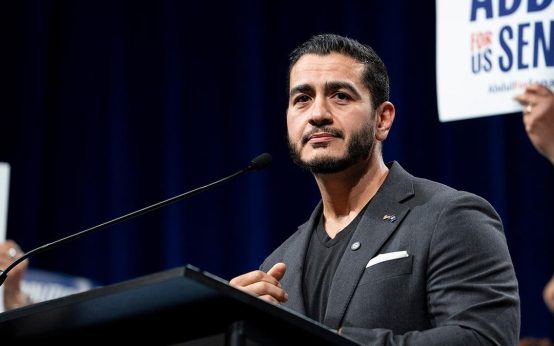 Michigan Senate Nominee Abdul El-Sayed Criticized for Remarks on Reproductive Rights
  Alan Ritchson Faces Backlash Over Political Remarks
  Poll Reveals Voter Preferences Between Socialist Democrats and MAGA Republicans
  Challenges of Electing a Female President: Insights from ‘The View’
  Himalayan Pilgrimage: A Couple’s Narrow Escape and Lingering Questions