In 1939, Adolf Hitler inaugurated a sprawling government headquarters in Berlin, famously describing it as “the first structure of the new Great Germany.” The New Reich Chancellery stretched 1,300 feet and stood three stories tall, crafted by a workforce of 8,000. Hitler promised these workers that they had created a monument meant to endure through the ages.
Yet, six years later, Berlin fell to Allied forces, signaling the end of World War II. The once-grand structure lay in ruins, and Hitler himself had perished in a nearby bunker.
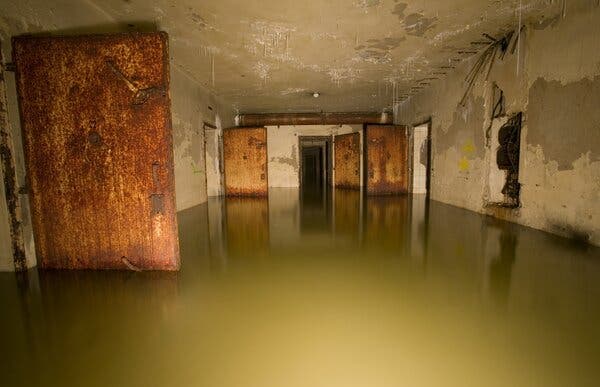
Today, remnants of the edifice are scarce, with a bunker used by Nazi regime officials being one of the few leftovers. This bunker too faces possible demolition, as a Hamburg developer has secured permission to construct apartments and office spaces in the area, according to the German publication Bild.
Preservation specialists argue that the planned development highlights a conflict within Germany. There is a need to balance preserving sites of historical significance with the drive to build and modernize. This issue is increasingly critical as the number of those who witnessed the Nazi era continues to decline.
Though the area where the Reich Chancellery once stood features signs denoting its history, the bunker itself has never been officially recognized as historically significant. The ground above now exists as a plain, undeveloped plot in the city center.
 Discover Five Simple Art Projects to Try at Home
  Chicagohenge: When Sunlight Aligns with City Streets
  Navy Veteran Generald Wilson Reflects on Emotional National Anthem Performance
  Lucas Museum of Narrative Art: A New Cultural Landmark
  Northlight Theatre’s ‘The Front Page’: A Satirical Nod to Chicago’s Journalistic Past
  The Value of Unsupervised Play in Child Development