The Republican Party, under Donald Trump’s influence, has shifted significantly, often sidelining GOP incumbents who do not align with his vision. A similar shift is occurring within the Democratic Party, where establishment candidates face challenges from progressive newcomers.
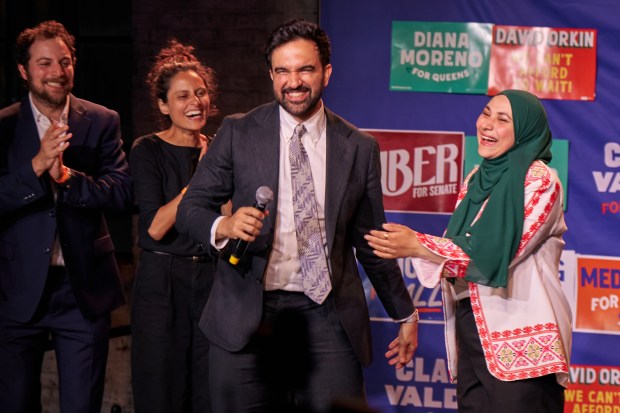
Recently, democratic socialist contenders, backed by New York’s DSA Mayor Zohran Mamdani, ousted two incumbent Democrats and defeated a third in Big Apple districts. This influence mirrors Trump’s impact on the GOP.
In Denver, 29-year-old Melat Kiros, a democratic socialist, defeated incumbent Rep. Diana DeGette in the primary, despite past controversial statements. In New York, another Mamdani-endorsed candidate, Darializa Avila Chevalier, expressed radical views and attended a controversial rally. This has sparked concerns about the direction of the Democratic Party.
As seen in New York, many Democratic primary voters in urban areas are dissatisfied with the status quo, seeking change by supporting younger candidates. However, the rise of democratic socialists reveals tensions within the party. While the democratic socialist agenda, including policies like Medicare for All and abolishing ICE, resonates in deep-blue cities, these views challenge broader electoral efforts.
While progressive challengers gain traction in city districts, establishment Democrats maintain strength in suburban areas. This dynamic was evident in Chicago, where suburban votes favored a more moderate candidate.
The leadership of the Democratic Party faces challenges in addressing this internal divide. Socialists advocating for radical policies may struggle in battleground states crucial for national electoral success. Consistent figures like Bernie Sanders assert that these victories indicate a broader political shift, yet reaching beyond core supporters could prove difficult.
Gallup reports a record 45% of Americans identifying as independents, showing a substantial portion of the electorate feeling politically homeless. Centrist Democrats need to assert stability and pragmatic solutions to gain support.
The future of the Democratic Party depends on balancing diverse ideologies. Engaging moderates while addressing progressive demands remains key to maintaining electoral viability.
 Ohio Congressman Faces Domestic Abuse Allegations
 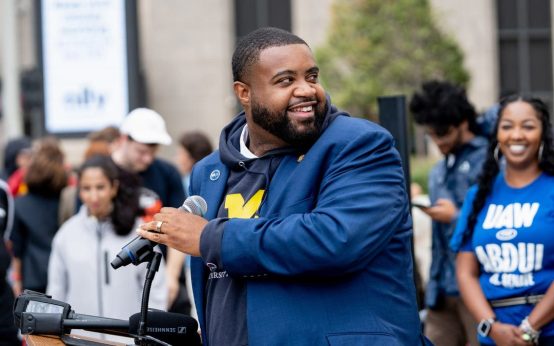 Restructuring the Left: Recent Primary Victories and Their Impact on the Democratic Party
 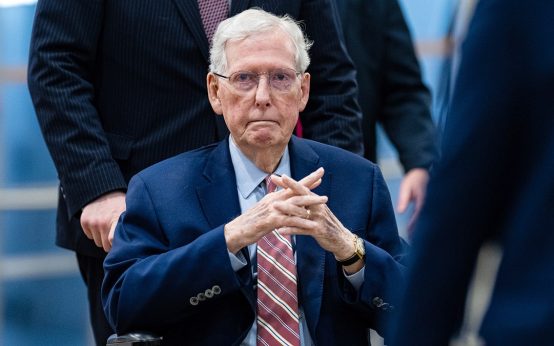 Uncertainty Surrounds Sen. Mitch McConnell’s Future in the Senate
 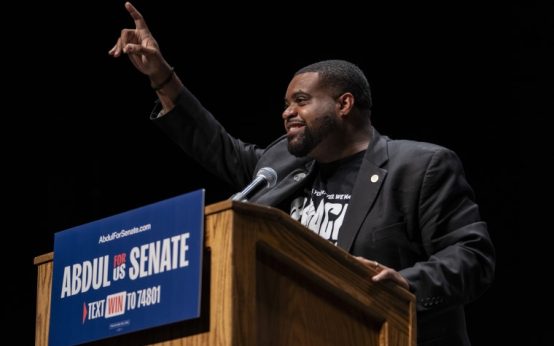 Progressive Donavan McKinney Defeats Shri Thanedar in Michigan Democratic Primary
 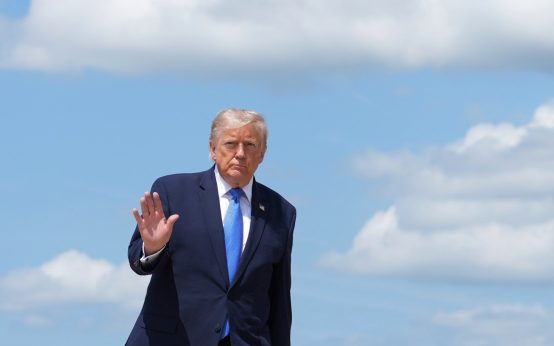 President Trump’s West Coast Tour Highlights Economic Challenges Amidst Voter Discontent
 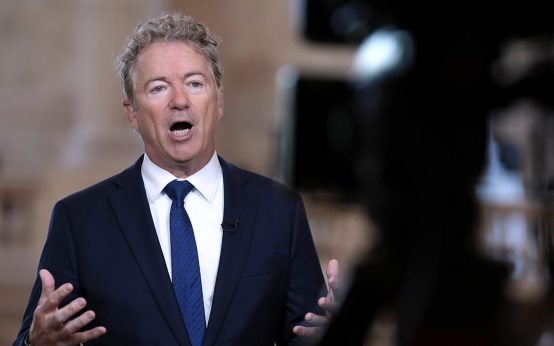 Sen. Rand Paul’s Ongoing Criticism of Dr. Anthony Fauci